
Many people living with leg discomfort, swelling, or visible veins wonder whether simple lifestyle changes can improve their symptoms. One of the most common questions patients ask is whether walking can help manage vein-related issues. For individuals dealing with Varicose Veins in Chicago, regular walking is often recommended as part of a healthy daily routine because it promotes circulation and supports overall vascular health.
Varicose veins occur when vein valves weaken, allowing blood to pool in the legs. This can lead to aching, heaviness, swelling, and the appearance of enlarged, twisted veins. While walking is not a cure for varicose veins, it can play an important role in symptom management and prevention. Understanding how walking affects circulation and vein function can help people make informed decisions about their health and determine when professional treatment may be necessary.
Understanding Varicose Veins and Their Causes
Varicose veins develop when the valves inside the veins stop functioning efficiently. These valves are responsible for keeping blood moving toward the heart. When they weaken or become damaged, blood can flow backward and collect inside the veins, causing them to enlarge.
Several factors contribute to the development of varicose veins. Age, genetics, prolonged standing, obesity, pregnancy, and a sedentary lifestyle can all increase the risk. Many individuals experience symptoms gradually over time, while others may notice sudden changes in their leg appearance or comfort.
The condition affects millions of adults and can range from mild cosmetic concerns to significant discomfort. While some people experience little pain, others deal with aching, throbbing, or swelling that interferes with daily activities. Understanding the root cause of varicose veins is essential because it helps explain why movement and exercise are often recommended as part of a comprehensive vein health strategy.
How Walking Improves Blood Circulation
Walking is one of the simplest and most effective forms of exercise for promoting healthy circulation. Each step activates the calf muscles, which act as a natural pump for the veins in the lower legs. This pumping action helps move blood upward toward the heart.
When blood circulates efficiently, there is less opportunity for it to pool inside damaged veins. Improved circulation can reduce pressure within the veins and may lessen symptoms such as heaviness and swelling. Regular movement also helps support overall cardiovascular health.
Unlike high-impact activities that may strain the body, walking is accessible to most individuals regardless of age or fitness level. Consistent daily walking can contribute to better blood flow and encourage healthier vein function over time. For many people, it serves as an important first step toward managing chronic vein-related symptoms.
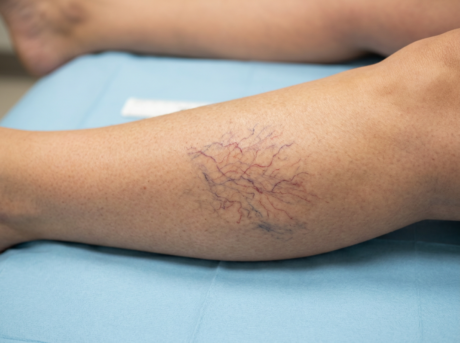
Can Walking Reduce Varicose Vein Symptoms?
Walking may not eliminate existing varicose veins, but it can help reduce many of the symptoms associated with them. People who walk regularly often report decreased leg fatigue, reduced swelling, and improved comfort throughout the day.
The gentle movement encourages blood flow and prevents long periods of inactivity, which can worsen venous pressure. When circulation improves, patients may notice less heaviness in their legs and a decrease in discomfort after standing for extended periods.
For those experiencing mild to moderate symptoms, walking can be an effective self-care strategy. However, symptom relief varies depending on the severity of the condition. Individuals with advanced vein disease may still require professional evaluation and treatment to address underlying vein dysfunction while using walking as a supportive lifestyle measure.
The Best Walking Routine for Vein Health
Establishing a consistent walking routine can maximize the benefits for vein health. Most healthcare professionals recommend moderate walking several times per week, with daily activity often producing the best results.
Short walks throughout the day can be just as beneficial as longer sessions. Walking for 20 to 30 minutes helps activate the calf muscles and keeps blood moving efficiently through the veins. People who spend long hours sitting or standing should consider taking brief walking breaks whenever possible.
Maintaining proper posture and wearing supportive footwear can further enhance the effectiveness of a walking routine. Consistency is more important than intensity. A sustainable schedule encourages long-term circulation improvements and supports overall vascular wellness.
Walking and Weight Management Benefits
Maintaining a healthy weight is an important factor in managing varicose veins. Excess body weight places additional pressure on the veins, especially those in the legs. This added pressure can contribute to vein enlargement and symptom progression.
Walking is an excellent low-impact exercise that supports weight management goals. Regular physical activity burns calories, improves metabolism, and promotes cardiovascular fitness. Over time, maintaining a healthier weight may reduce strain on the venous system.
For individuals with Varicose Veins in Chicago, combining walking with healthy dietary habits can provide multiple health benefits. Weight control not only supports vein health but may also improve mobility, energy levels, and overall quality of life.
When Walking Alone May Not Be Enough
Although walking provides valuable benefits, it is not always sufficient to address significant vein problems. Some individuals continue to experience symptoms despite maintaining an active lifestyle. This often occurs when vein valve damage has progressed beyond what lifestyle modifications can manage.
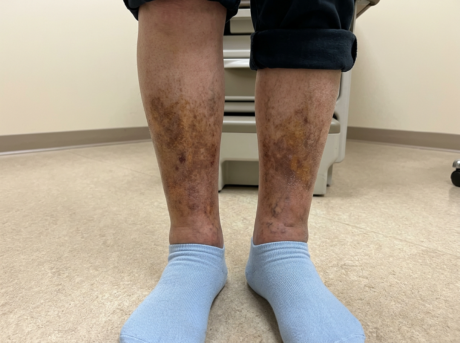
Persistent swelling, skin discoloration, leg ulcers, or worsening pain may indicate advanced venous disease. In these situations, professional evaluation becomes important. Diagnostic testing can determine the extent of vein dysfunction and identify appropriate treatment options.
Walking should be viewed as a supportive measure rather than a replacement for medical care. Individuals who experience ongoing symptoms should consult a vein specialist to develop a personalized treatment plan tailored to their condition.
Other Lifestyle Habits That Support Healthy Veins
Walking works best when combined with other healthy lifestyle practices. Compression stockings, leg elevation, hydration, and maintaining a healthy weight all contribute to improved circulation and symptom management.
Avoiding prolonged periods of sitting or standing can also reduce venous pressure. Simple adjustments such as stretching, changing positions frequently, and taking movement breaks throughout the day can make a meaningful difference.
These habits work together to support vein function and improve comfort. While no single lifestyle change can completely prevent varicose veins, a comprehensive approach can help minimize symptoms and promote long-term vascular health.
Treatment Options for Varicose Veins
When conservative measures are no longer enough, several modern treatment options are available. Advances in vein care have made treatment more comfortable, effective, and minimally invasive than ever before.
Procedures such as endovenous laser therapy, radiofrequency ablation, and sclerotherapy target damaged veins while preserving healthy circulation. These treatments are often performed on an outpatient basis and require minimal recovery time.
Patients considering treatment should undergo a thorough evaluation to determine which option best addresses their specific needs. Early intervention may help prevent complications and improve both appearance and comfort. Many people seek treatment not only for cosmetic reasons but also to relieve symptoms and enhance their quality of life.
Why Residents Seek Care for Varicose Veins in Chicago
The demands of daily life often require people to spend extended periods standing, walking, or commuting. These activities can contribute to vein-related symptoms, particularly among individuals already predisposed to venous disease.
As awareness of vein health grows, more patients are seeking professional guidance for symptom management and treatment. Many recognize that addressing vein issues early can help prevent future complications and improve daily comfort.
For individuals living with Varicose Veins in Chicago, access to specialized vein care provides opportunities to explore both conservative management strategies and advanced treatment options. Combining medical expertise with healthy lifestyle habits often produces the most effective outcomes.
Conclusion
Walking can be a valuable tool for supporting circulation, reducing discomfort, and promoting overall vein health. By activating the calf muscles and encouraging healthy blood flow, regular walking may help lessen symptoms associated with varicose veins. However, it is important to remember that walking does not reverse existing vein damage and may not be sufficient for advanced cases.
Individuals experiencing persistent symptoms should consider seeking professional evaluation. At Charming Skin Vein Clinics in Chicago, patients can receive personalized assessments and advanced treatment recommendations designed to address their unique needs. If you are concerned about varicose veins or want to explore your treatment options, contact Charming Skin Vein Clinics today at +1 630-974-1400 to schedule a consultation and take the next step toward healthier legs.