
Many people who notice twisted, enlarged veins on their legs wonder whether Varicose Veins in Chicago can disappear without medical treatment. Varicose veins are a common vascular condition that affects millions of adults, often causing discomfort, swelling, heaviness, and cosmetic concerns. While some individuals experience mild symptoms, others find that the condition gradually worsens over time.
Understanding whether varicose veins can go away naturally is important because it helps people make informed decisions about their vascular health. Lifestyle changes may improve symptoms and slow progression, but the underlying vein damage often remains. Knowing the difference between symptom management and true vein elimination can prevent delays in seeking appropriate care. This article explores the causes of varicose veins, natural management options, factors that influence progression, and when professional treatment may be necessary.
Understanding What Varicose Veins Are
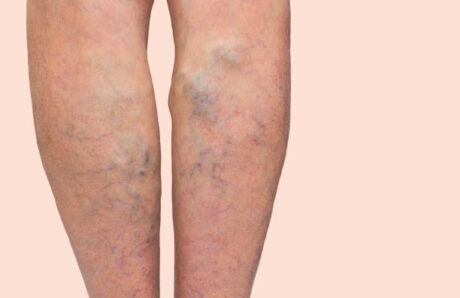
Varicose veins develop when the valves inside the veins become weakened or damaged. These valves are responsible for directing blood back toward the heart. When they stop functioning properly, blood can pool inside the veins, causing them to enlarge and become visible beneath the skin.
The condition commonly affects the legs because gravity places additional pressure on lower extremity veins. Standing or sitting for long periods can contribute to increased vein pressure, making symptoms more noticeable. Genetics, age, pregnancy, and obesity are also significant risk factors.
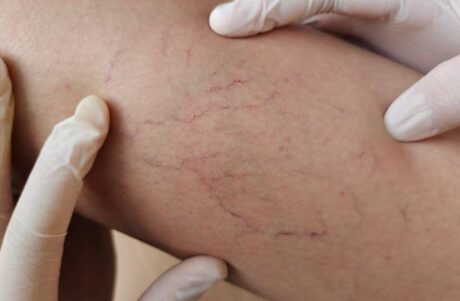
Many people initially notice cosmetic changes, such as blue or purple bulging veins. Over time, however, symptoms may progress to include aching, throbbing, swelling, itching, and fatigue in the legs. Some individuals experience discomfort that interferes with daily activities.
Can Varicose Veins Disappear on Their Own?
One of the most common questions patients ask is whether varicose veins can simply go away without intervention. Unfortunately, true varicose veins generally do not disappear naturally because the damaged vein valves cannot regenerate on their own.
When a vein becomes enlarged due to valve failure, the structural changes within the vein wall are typically permanent. While symptoms may fluctuate and become less noticeable at times, the underlying condition usually remains present. Some people mistake temporary symptom relief for complete healing.
For example, elevating the legs after a long day may reduce swelling and discomfort. Similarly, cooler temperatures can make veins appear less prominent. These improvements can create the impression that the condition is resolving, even though the vein dysfunction continues.
Without treatment, varicose veins often remain stable or gradually worsen over time. In some cases, new veins may develop as the condition progresses. This is why medical professionals generally focus on symptom management, monitoring, and treatment options rather than expecting spontaneous resolution.
Lifestyle Changes That Can Improve Symptoms
Although varicose veins rarely disappear naturally, certain lifestyle adjustments can significantly reduce discomfort and improve circulation. These strategies are particularly helpful for individuals experiencing mild symptoms.
Regular physical activity is one of the most effective approaches. Walking, cycling, and swimming encourage calf muscle contractions that help move blood upward through the veins. Improved circulation can decrease swelling and feelings of heaviness.
Maintaining a healthy weight also plays an important role. Excess body weight increases pressure on the veins, making symptoms worse. Weight management may reduce strain on the circulatory system and improve overall vascular health.
Avoiding prolonged periods of standing or sitting is equally beneficial. Taking short movement breaks throughout the day helps promote healthy blood flow. Individuals with desk jobs may benefit from standing, stretching, or walking periodically.
The Role of Exercise in Vein Health
Exercise is often recommended as a natural way to support healthy circulation. While it cannot reverse existing vein damage, regular movement helps the body function more efficiently and may minimize symptoms associated with varicose veins.
The calf muscles act as a secondary pump for the circulatory system. Every time a person walks or exercises, these muscles contract and help push blood back toward the heart. This process reduces blood pooling in the legs and improves venous return.
Low-impact activities are particularly beneficial. Walking remains one of the simplest and most accessible forms of exercise for vein health. Swimming provides additional advantages because water pressure supports circulation while reducing stress on joints.
Stretching and flexibility exercises may also help improve comfort. Maintaining mobility in the legs can encourage better blood flow and reduce stiffness. Some individuals find yoga beneficial due to its combination of movement and leg-elevating positions.
How Compression Therapy Helps Manage Symptoms
Compression stockings are among the most commonly recommended non-surgical approaches for managing varicose vein symptoms. These specialized garments apply graduated pressure to the legs, encouraging blood to flow upward more effectively.
The greatest pressure is applied near the ankle, gradually decreasing higher up the leg. This design helps prevent blood from pooling in the lower extremities. Many patients report reduced swelling, less fatigue, and improved comfort while wearing compression stockings.
Compression therapy is especially useful for individuals who spend long hours standing or sitting. Healthcare providers frequently recommend these garments as part of a comprehensive vein management plan.
However, it is important to understand that compression stockings do not remove or cure varicose veins. Their primary purpose is symptom control and support. Once the stockings are removed, the underlying vein condition remains unchanged.
Factors That May Make Varicose Veins Worse
Several lifestyle and health factors can accelerate the progression of varicose veins. Understanding these contributors can help individuals make informed decisions about protecting their vein health.
A sedentary lifestyle is one major risk factor. Lack of movement reduces muscle activity in the legs, allowing blood to pool more easily within the veins. Prolonged sitting or standing can have similar effects.
Weight gain also places additional pressure on the lower extremities. Increased pressure can worsen valve dysfunction and contribute to the development of new varicose veins. Maintaining a healthy body weight may help reduce this burden.
Hormonal changes can influence vein health as well. Pregnancy, menopause, and hormonal medications may increase susceptibility to vein problems in some individuals. Genetics also play a significant role, as family history remains one of the strongest predictors of varicose vein development.
Potential Complications of Untreated Varicose Veins
Many people view varicose veins primarily as a cosmetic concern, but untreated cases can sometimes lead to more serious health issues. While not everyone experiences complications, the risk generally increases as the condition progresses.
Chronic swelling is one common problem. Persistent fluid accumulation can cause discomfort and make daily activities more difficult. Some individuals also develop skin discoloration or thickening near affected veins.
In more advanced cases, venous ulcers may occur. These wounds typically develop near the ankles and can be difficult to heal. Chronic venous insufficiency can impair circulation, reducing the body’s ability to repair damaged tissue.
When Professional Treatment Becomes Necessary
For many individuals, lifestyle modifications provide symptom relief but do not fully address the underlying problem. When symptoms become persistent, painful, or progressively worse, professional treatment may be appropriate.
Modern vein treatments are significantly less invasive than many people realize. Advances in vascular medicine have introduced procedures that target problematic veins while minimizing downtime and discomfort.
Treatment decisions are based on symptom severity, vein size, medical history, and overall health. A comprehensive evaluation can determine the most effective approach for each patient.
Seeking professional assessment does not necessarily mean immediate treatment is required. In many cases, a specialist can recommend monitoring strategies and conservative management options first. However, early evaluation can help identify potential risks and prevent future complications.
Why Early Evaluation Is Important
Early evaluation provides valuable insight into the health of the venous system. Many people delay seeking care because symptoms seem minor or because they hope the condition will improve naturally.
A vascular assessment can identify the extent of vein dysfunction before symptoms become severe. Diagnostic imaging, such as ultrasound, allows specialists to evaluate blood flow and valve function with precision.
Early detection often expands treatment options and may prevent complications from developing. Patients who address vein issues sooner frequently experience better long-term outcomes and improved comfort.
In addition, understanding the cause of symptoms can provide peace of mind. Leg pain, swelling, and fatigue may result from several conditions, and proper evaluation ensures an accurate diagnosis.
Conclusion
The answer to whether Varicose Veins in Chicago can go away naturally is generally no. While healthy lifestyle habits, regular exercise, compression therapy, and weight management can reduce symptoms and improve circulation, they do not repair damaged vein valves or eliminate existing varicose veins. Understanding the difference between symptom relief and true treatment is essential for making informed healthcare decisions.
Early evaluation can help identify the severity of vein disease and prevent potential complications before they become more serious. If you are experiencing discomfort, swelling, or visible vein changes, professional guidance may be beneficial. For expert vein care in Chicago, contact Charming Skin Vein Clinics at +1 630-974-1400 to learn more about your options and take the next step toward healthier legs and improved vascular wellness.