Sclerotherapy for chronic edema and unwanted leg veins
Sclerotherapy is a simple in-office injection treatment that collapses spider, reticular, and smaller varicose veins. By closing faulty veins that let blood pool, it can also ease the chronic leg swelling (edema) those veins contribute to.
Quick answer
Sclerotherapy is an in-office injection treatment that closes faulty veins contributing to chronic leg swelling (edema). When underlying venous reflux is treated, many people see less fluid buildup and more comfortable legs, alongside measures such as compression and movement.
What is sclerotherapy?
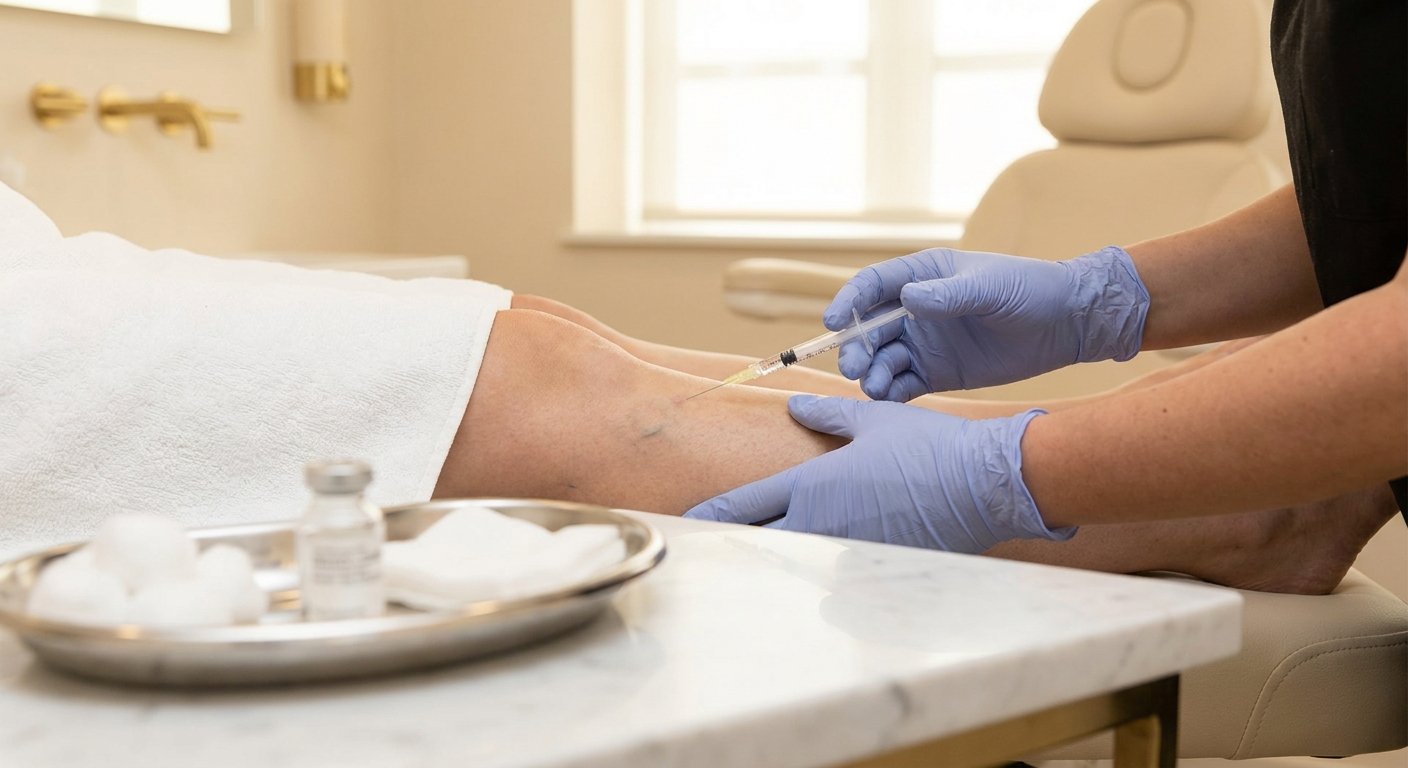
Sclerotherapy treats spider veins, reticular veins, and smaller varicose veins using a fine needle to inject a medicated solution directly into the vein. It is one of the most established treatments for these veins and is performed right in our Oak Brook office, with no hospital stay and no general anesthesia.
How the injection works
The injected solution irritates the inner lining of the treated vein, causing its walls to swell, stick together, and seal shut. Once the vein is closed, blood naturally reroutes to healthier veins nearby, and the treated vein is gradually absorbed by the body and fades from view. Because the faulty vein no longer lets blood pool backward, treating it can also reduce the fluid buildup that leads to chronic leg swelling.
What sclerotherapy treats
- Spider veins (thin red, blue, or purple surface veins)
- Reticular veins (slightly larger blue-green feeder veins)
- Smaller varicose veins near the skin
- Fluid buildup and chronic leg swelling linked to leaky surface veins
How many sessions you may need
Many people need more than one session to reach the result they are hoping for. The number depends on how many veins are present and how your body responds. Individual veins often need to be treated more than once, and sessions are typically spaced a few weeks apart. During your screening we will estimate a realistic plan for your legs.
What to expect during treatment
A typical session takes about 15 to 45 minutes depending on how many veins are being treated. You lie down while the treated area is cleaned, and each vein is injected with a fine needle. Most people feel only a small pinch or mild stinging as the solution goes in. No general anesthesia is used, and you stay awake and comfortable throughout.
Recovery and aftercare
Sclerotherapy has little to no downtime. You can walk immediately and usually return to normal daily activities the same day. We often ask you to wear compression stockings for a short period and to keep moving, since walking supports healthy blood flow. It is common to see some bruising, mild tenderness, or temporary discoloration where veins were treated; these usually settle over the following weeks as the treated veins fade.
Insurance & coverage
Most PPO plans and Medicare cover treatment for symptomatic veins, such as those causing aching, swelling, or skin changes. Sclerotherapy performed purely to improve the look of cosmetic spider veins is typically self-pay. Our team can help you understand your coverage before you begin.
Conditions this helps
Leaky surface veins are often part of a broader venous problem. Treating them may help with related conditions, including:
- Chronic leg swelling (edema)
- Leg pain and aching related to veins
- Venous stasis dermatitis and skin changes
- Skin discoloration (hyperpigmentation)
- Other vein symptoms and conditions
Other vein treatments
Depending on what we find during your evaluation, other options may be a better fit for larger underlying veins:
Common questions
Does sclerotherapy hurt?
Most people feel only a small pinch or brief stinging as the solution is injected. No general anesthesia is needed, and you stay comfortable and awake throughout the session.
How many sessions will I need?
It varies by person. Many people need more than one session, and individual veins are often treated more than once, usually a few weeks apart. We will estimate a realistic plan at your screening.
What is recovery like?
There is little to no downtime. You can walk right away and usually resume normal activities the same day. We may ask you to wear compression stockings for a short period. Some bruising or temporary discoloration is common and fades over the following weeks.
Is sclerotherapy covered by insurance?
Most PPO plans and Medicare cover treatment for symptomatic veins, such as those causing aching, swelling, or skin changes. Treatment for cosmetic spider veins is typically self-pay. We can review your plan with you before treatment.
Medically informed care
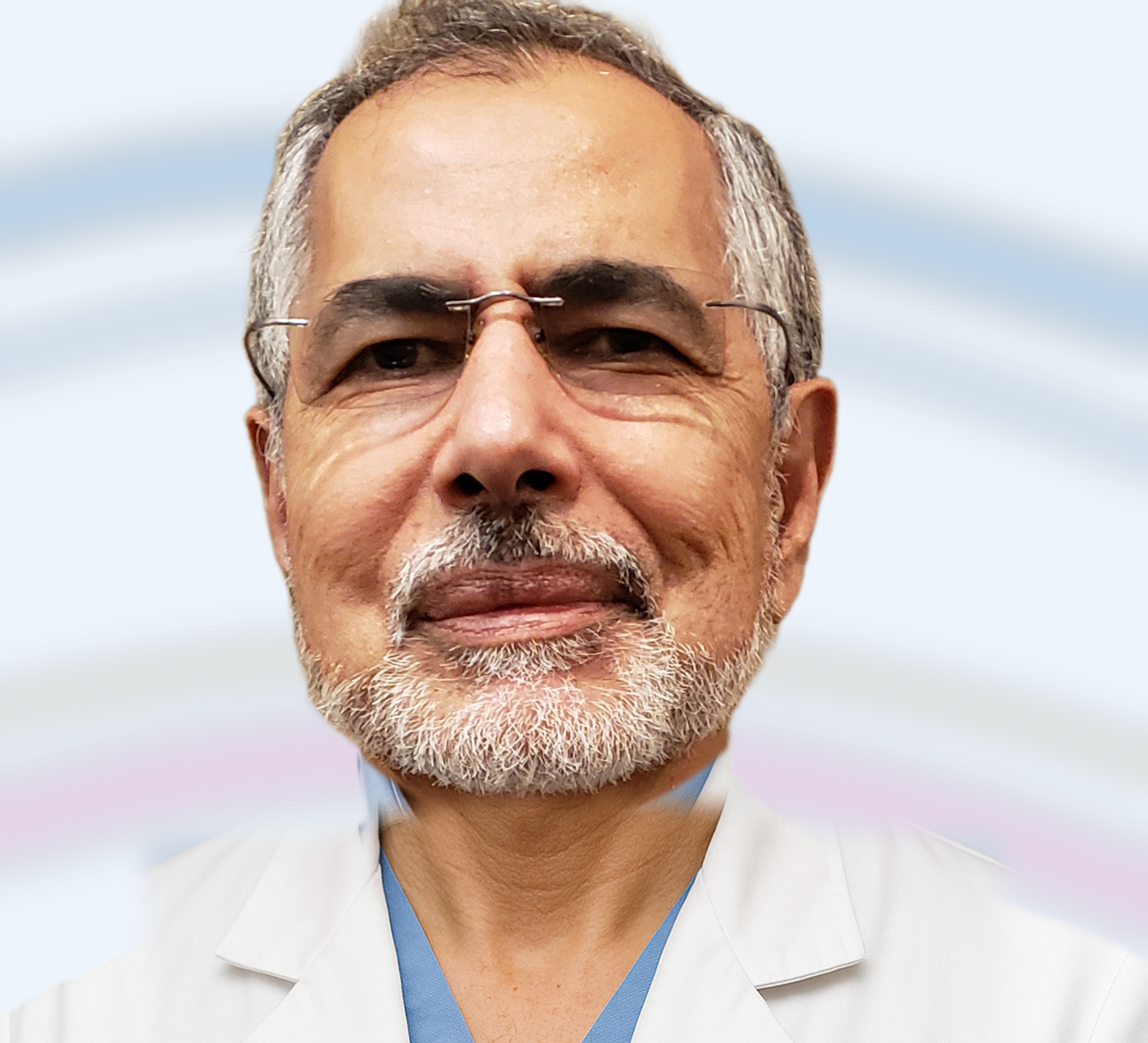
Vein care at Charming Skin & Vein Clinics is led by Dr. Abboud, who brings more than 20 years of medical experience — a graduate of the University of Damascus with residency training at Cook County Hospital and John H. Stroger Jr. Hospital in Chicago. This page is for general education, reviewed for accuracy, and is not a substitute for an in-person evaluation.
If leg swelling is a concern, our team often starts with an ultrasound vein diagnosis to map the veins involved, then reviews related chronic edema and vein conditions before recommending sclerotherapy or another treatment. Most PPO plans and Medicare cover treatment for symptomatic veins.
Trusted resources: MedlinePlus — Venous insufficiency, NIH NHLBI — Varicose Veins.
To learn whether sclerotherapy is right for you, Book a Free Vein Screening at our Oak Brook office or call 630-974-1400.