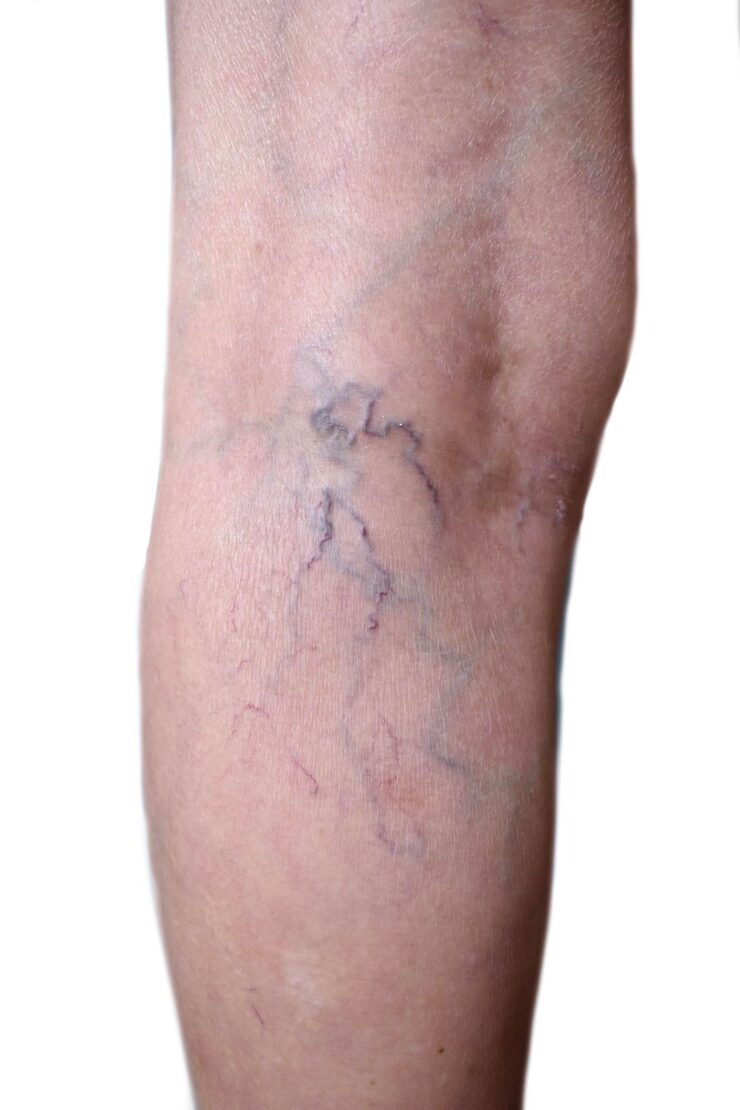
If you have been putting off seeing a vein doctor because you are not sure what the visit involves, you are not alone. Knowing what happens at a first vein consultation can make the appointment feel less intimidating and help you arrive prepared. At Charming Skin & Vein Clinics, the first visit is an unhurried conversation paired with a painless exam, led by Dr. Abboud, who has more than 20 years of experience caring for patients with vein conditions. Here is a step-by-step look at what to expect.
Talking Through Your Symptoms and History
Your visit begins with a conversation. Dr. Abboud will ask about the symptoms that brought you in — aching, heaviness, swelling, restless legs at night, itching, or visible bulging veins — and how long you have noticed them. Sharing details about your daily routine, family history, past pregnancies, and any jobs that involve long hours of standing or sitting helps build a clear picture.
It helps to come ready to discuss:
- When your symptoms are worst (for example, end of day or after standing)
- Any current medications and relevant medical history
- Whether close relatives have had varicose veins or related concerns
The Physical Exam and Ultrasound
Next comes a focused look at your legs while you are standing and lying down, since some veins are easier to assess in each position. In most cases, the evaluation includes a duplex ultrasound, a painless, non-invasive scan that shows how blood is moving through your veins and whether any valves are not closing the way they should. This is how we tell the difference between a surface-level cosmetic concern and an underlying circulation issue that is causing your symptoms. You can learn more about the conditions we look for on our vein symptoms and conditions page.
Discussing Your Options
Once the ultrasound results are in, Dr. Abboud will walk you through what they mean in plain language and outline the approaches that fit your situation. Depending on the findings, that conversation may touch on options such as:
- Endovenous laser treatment (EVLA) for larger refluxing veins
- Varithena foam treatment or VenaSeal closure as catheter- and needle-light alternatives
- Treatment for spider veins when the concern is primarily on the surface
- Compression therapy and simple lifestyle steps to support your legs
There is no pressure to decide anything on the spot. The goal of the first visit is clarity about what is going on and what your choices are.
Insurance and Next Steps
Cost is a common and fair question. Most PPO plans and Medicare cover treatment for symptomatic veins — the kind that cause aching, swelling, or skin changes. Vein work done purely for cosmetic reasons is self-pay. Our team can help you understand which category your situation falls into before any treatment is scheduled. We see patients at three convenient locations: Chicago (5907 W. 63rd St.), Oak Brook (2425 W. 22nd St. #205), and Orland Park (10 Orland Square Dr.).
Ready to find out what is behind your leg symptoms? Book a Free Vein Screening or call us at 630-974-1400 to schedule your first consultation.