
Varicose veins are a common vascular condition that affects millions of adults across the United States. While many people view them as a cosmetic issue, they can sometimes indicate underlying vein disease that requires medical attention. For individuals dealing with Varicose Veins in Chicago, understanding the potential risks and treatment options is important for maintaining long-term vascular health.
Varicose veins develop when vein valves become weakened or damaged, causing blood to pool inside the veins. This often leads to enlarged, twisted, and visible veins, typically in the legs. Although some cases are mild, others can cause discomfort, swelling, and complications if left untreated. Knowing when varicose veins become a serious concern can help patients make informed decisions about their health and seek professional evaluation when necessary.
What Are Varicose Veins?
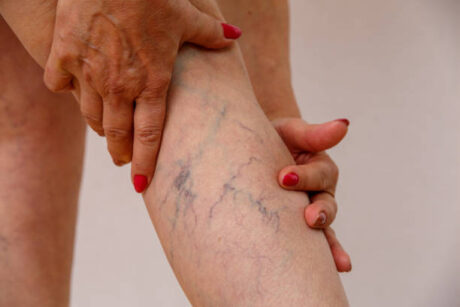
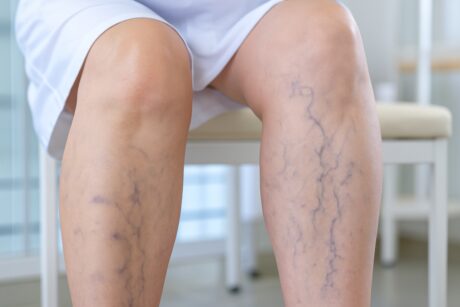
Varicose veins are enlarged veins that appear twisted, bulging, or rope-like beneath the skin. They most commonly occur in the legs because the veins in the lower body work against gravity to return blood to the heart. Healthy veins contain valves that keep blood flowing in the correct direction. When these valves weaken, blood can flow backward and accumulate inside the vein.
As pressure builds, the vein stretches and becomes visible through the skin. Some people notice only cosmetic changes, while others experience symptoms such as aching, heaviness, or fatigue in the legs. The condition can gradually worsen over time if the underlying circulation issue is not addressed.
Although varicose veins are often associated with aging, they can affect adults of various ages. Genetics, lifestyle habits, and occupational factors all contribute to their development. Understanding the basics of how varicose veins form is the first step toward recognizing when treatment may be beneficial.
Why Do Varicose Veins Develop?
Several factors increase the likelihood of developing varicose veins. Genetics plays one of the largest roles. Individuals with a family history of vein disease are significantly more likely to develop the condition themselves.
Age is another contributing factor. Over time, vein valves naturally weaken and lose efficiency. Hormonal changes related to pregnancy, menopause, or hormonal medications may also increase risk. Women tend to experience varicose veins more frequently than men because of these hormonal influences.
Lifestyle habits can also contribute to vein problems. Long periods of standing or sitting may reduce circulation and place additional pressure on the veins. Excess body weight can further strain the vascular system, increasing the likelihood of valve dysfunction.
Environmental and occupational factors common in large urban areas can also play a role. Many residents with Varicose Veins in Chicago spend long hours commuting, working on their feet, or sitting at desks, all of which can contribute to venous insufficiency and the development of visible veins.
Common Symptoms Beyond Appearance
Many people assume varicose veins are solely a cosmetic issue. However, symptoms often extend beyond visible vein enlargement. Individuals may experience aching, throbbing, burning, or cramping sensations in the affected leg.
A feeling of heaviness is particularly common after standing for long periods. Swelling around the ankles and lower legs may develop as blood and fluid accumulate in the tissues. Some patients also report itching around affected veins or discomfort that worsens throughout the day.
Symptoms can vary in severity. While some individuals experience only mild irritation, others notice significant interference with daily activities. Persistent discomfort should not be ignored, especially if symptoms worsen over time.
Recognizing these signs can help patients determine whether medical evaluation is appropriate. Early assessment often leads to more effective management and improved quality of life.
When Do Varicose Veins Become a Medical Concern?
Varicose veins become a serious concern when they begin affecting circulation, mobility, or overall vascular health. Persistent pain, swelling, or skin changes may indicate that the condition is progressing beyond a cosmetic issue.
One warning sign is chronic swelling in the lower legs. Ongoing fluid accumulation may suggest significant venous insufficiency. Skin discoloration, thickening, or hardening around the ankles can also indicate worsening vein disease.
Open sores or ulcers near the ankles are among the most serious complications. These wounds can be difficult to heal because of impaired circulation. In some cases, untreated vein disease may increase the risk of infection and long-term tissue damage.
For patients with Varicose Veins in Chicago, seeking evaluation when symptoms worsen can help prevent complications and preserve vascular health. Early intervention often leads to better outcomes and more treatment options.
Potential Complications of Untreated Varicose Veins
Although not every case leads to complications, untreated varicose veins can create significant health concerns. One of the most common complications is chronic venous insufficiency, a condition in which blood struggles to return efficiently to the heart.
Over time, elevated pressure within the veins may damage surrounding tissues. This can lead to persistent swelling, skin discoloration, and inflammation. Some individuals develop venous ulcers that require specialized wound care and extended treatment.
Superficial thrombophlebitis is another possible complication. This occurs when a blood clot forms within a surface vein, causing redness, tenderness, and swelling. While usually less dangerous than deep vein thrombosis, it still requires medical attention.
These potential complications highlight the importance of monitoring symptoms and seeking professional guidance when necessary. Addressing vein disease early may reduce the likelihood of long-term vascular problems.
How Is Vein Disease Diagnosed?
Diagnosing varicose veins typically begins with a comprehensive medical evaluation. A vein specialist will review symptoms, medical history, lifestyle factors, and family history before performing a physical examination.
Ultrasound imaging is often used to assess blood flow and identify valve dysfunction. This non-invasive test allows providers to evaluate the structure and function of the veins in real time. Ultrasound can reveal whether blood is pooling inside the veins and determine the severity of venous insufficiency.
Accurate diagnosis is important because not all visible veins require the same treatment approach. Identifying the underlying cause allows providers to develop personalized treatment plans based on the patient’s specific needs.
Early diagnosis often results in more treatment choices and can help prevent complications associated with progressive vein disease.
Modern Treatment Options for Varicose Veins
Advances in vein care have made treatment more effective and less invasive than ever before. Many modern procedures can be performed in an outpatient setting with minimal downtime.
Sclerotherapy is commonly used for smaller varicose veins and spider veins. The procedure involves injecting a specialized solution that causes the vein to collapse and gradually fade. Larger veins may be treated using endovenous laser therapy or radiofrequency ablation.
These procedures target diseased veins while preserving healthy circulation. Blood naturally reroutes through functioning veins, improving circulation and reducing symptoms.
Can Lifestyle Changes Help?
Lifestyle modifications can play an important role in managing varicose veins and supporting overall vascular health. While lifestyle changes may not eliminate existing varicose veins, they can reduce symptoms and slow progression.
Regular physical activity encourages healthy circulation. Walking, cycling, and swimming are particularly beneficial because they activate the calf muscles, which help pump blood back toward the heart. Maintaining a healthy weight also reduces pressure on the veins.
Compression stockings may improve circulation and alleviate symptoms such as swelling and heaviness. Elevating the legs periodically throughout the day can further support blood flow.
Who Is Most at Risk?
Certain individuals face a higher likelihood of developing vein disease. Family history remains one of the strongest risk factors, making genetics a significant contributor to the condition.
Women often experience a greater risk due to hormonal fluctuations associated with pregnancy and menopause. Age also increases susceptibility because vein valves naturally weaken over time.
Occupations that involve prolonged standing, including healthcare, retail, and hospitality roles, may contribute to increased vein pressure. Sedentary jobs can also negatively affect circulation.
Why Early Evaluation Matters
Many people delay seeking treatment because they believe varicose veins are purely cosmetic. However, early evaluation can identify underlying vein disease before complications develop.
Prompt assessment enables specialists to determine whether symptoms are related to venous insufficiency and recommend appropriate treatment options. Early intervention often leads to simpler procedures, faster recovery, and improved symptom relief.
Ignoring symptoms may allow vein disease to progress, potentially resulting in swelling, skin changes, or ulcers. Seeking professional care when symptoms first emerge helps protect vascular health and improve quality of life.
Conclusion
While varicose veins may begin as a cosmetic concern, they can sometimes signal underlying circulation problems that require medical attention. Symptoms such as leg pain, swelling, heaviness, skin changes, and venous ulcers should not be ignored. Understanding the causes, risk factors, potential complications, and treatment options can help individuals make informed decisions about their vascular health. If you are experiencing symptoms associated with Varicose Veins in Chicago, professional evaluation can provide clarity and effective treatment solutions. The experienced team at Charming Skin Vein Clinics is dedicated to helping patients achieve healthier circulation and improved comfort. To learn more about your options or schedule a consultation in Chicago, contact Charming Skin Vein Clinics today at +1 630-974-1400.