
Varicose veins are a common vascular condition that affects millions of adults, causing enlarged, twisted veins that are often visible beneath the skin. While many people view them as a cosmetic concern, untreated vein problems can sometimes lead to discomfort, swelling, and more serious circulation issues. Understanding when to seek treatment can help prevent symptoms from worsening and improve your overall quality of life.
If you’re dealing with Varicose Veins in Chicago, recognizing the warning signs and knowing your treatment options is important. Modern vein treatments are safer, more effective, and less invasive than ever before. Whether you’re experiencing mild symptoms or significant discomfort, early evaluation can help determine the best course of action. This guide explains when treatment may be necessary, what symptoms to watch for, and how professional care can help restore healthy circulation.
Understanding What Varicose Veins Are
Varicose veins develop when vein valves become weak or damaged, preventing blood from flowing efficiently back toward the heart. As blood pools inside the veins, they enlarge and become visible beneath the skin. These veins commonly appear on the legs and feet because gravity places additional pressure on the lower body.
Many people initially notice blue or purple veins that seem twisted or bulging. While some individuals experience no symptoms, others may develop aching, heaviness, cramping, or swelling. The severity of symptoms varies depending on the extent of vein damage and overall circulation health.
Several factors increase the likelihood of developing varicose veins. Age, genetics, pregnancy, obesity, and prolonged standing can all contribute to weakened vein function. Individuals with family members who have vein disease often face a higher risk themselves.
Understanding the condition is the first step toward recognizing when treatment may be beneficial. While some cases remain mild, others can progress over time and affect daily activities. Seeking professional evaluation helps determine whether treatment is appropriate and what options may provide the best results.
Signs That Indicate It’s Time to Seek Treatment
Many people delay treatment because they assume varicose veins are only a cosmetic issue. However, persistent symptoms often indicate that the underlying circulation problem is worsening and should be addressed by a vein specialist.
One of the most common warning signs is aching or throbbing pain in the legs. The discomfort may become more noticeable after standing or sitting for extended periods. Some individuals also experience heaviness that makes walking or daily activities more difficult.
Swelling around the ankles and lower legs is another symptom that should not be ignored. Persistent swelling can signal increased pressure inside the veins and may indicate progressing venous disease. Itching, burning sensations, and muscle cramps are also common concerns.
If symptoms begin interfering with work, exercise, or daily routines, treatment may help improve comfort and mobility. Addressing the problem early can reduce the likelihood of complications and support healthier blood circulation over the long term.
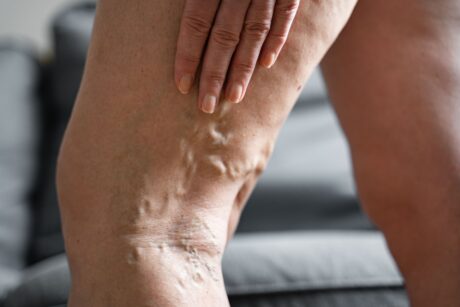
When Cosmetic Concerns Become a Medical Issue
Although appearance is often the first reason people seek help, cosmetic changes can sometimes indicate a more significant medical condition. Visible veins may be the earliest sign of vein dysfunction occurring beneath the surface.
Over time, untreated varicose veins can become larger and more prominent. Some individuals notice changes in skin texture or discoloration around the affected areas. These developments often suggest that circulation problems are progressing.
Many patients with Varicose Veins in Chicago initially seek treatment because they feel self-conscious about their appearance. During evaluation, they often discover that medical treatment can address both cosmetic concerns and underlying vein disease simultaneously.
Early intervention may help prevent further vein enlargement and reduce the risk of future complications. Even if symptoms seem minor, consulting a vein specialist can provide valuable insight into the condition’s severity and potential treatment benefits.
Persistent Leg Pain and Discomfort
Leg pain is one of the clearest indicators that treatment may be necessary. While occasional discomfort can occur for many reasons, ongoing pain associated with visible veins often signals underlying venous insufficiency.
Patients frequently describe the discomfort as aching, throbbing, or a feeling of pressure within the legs. Symptoms often worsen during warm weather, after prolonged standing, or at the end of the day. Resting and elevating the legs may provide temporary relief but usually does not solve the underlying problem.
As circulation becomes less efficient, blood pooling increases pressure inside affected veins. This pressure contributes to inflammation and discomfort that can gradually worsen over time. Ignoring these symptoms may allow the condition to progress further.
Seeking treatment can help improve circulation and reduce painful symptoms. Modern procedures target damaged veins while preserving healthy blood flow, allowing many patients to experience significant relief and improved daily comfort.
Swelling and Heaviness in the Legs
Swelling is a common symptom that often develops as vein disease advances. The buildup of pressure inside weakened veins can cause fluid to leak into surrounding tissues, resulting in visible swelling.
Many people notice swelling around their ankles after spending long hours standing or sitting. Others experience a persistent sensation of heaviness that makes movement feel more difficult than usual. These symptoms may become increasingly noticeable throughout the day.
The presence of swelling indicates that the veins are struggling to return blood efficiently to the heart. Left untreated, this issue can contribute to further discomfort and potentially increase the risk of skin complications.
Professional evaluation helps determine the severity of circulation problems and whether treatment is recommended. Addressing swelling early can improve comfort and support healthier vein function before more serious complications develop.
Skin Changes That Should Not Be Ignored
Skin changes around varicose veins can indicate advancing venous disease and should never be overlooked. These symptoms often develop gradually and may initially appear harmless.
Individuals may notice darkening skin, redness, dryness, or irritation near affected veins. In some cases, the skin becomes thickened or develops a leathery texture. These changes occur because poor circulation affects the delivery of oxygen and nutrients to surrounding tissues.
Without treatment, skin damage may continue to worsen. Chronic inflammation can increase the risk of venous ulcers, which are open wounds that heal slowly and may require extensive medical care.
If skin changes are present, scheduling a consultation promptly is important. Early treatment can improve circulation and help prevent further tissue damage while supporting healthier skin appearance and function.
Risks of Delaying Varicose Vein Treatment
Many individuals postpone treatment because symptoms seem manageable. Unfortunately, delaying care may allow the condition to progress and increase the likelihood of complications.
Over time, varicose veins can become larger and more symptomatic. Pain, swelling, and skin changes often worsen as vein function continues to decline. Some patients also develop blood clots or inflammation within affected veins.
For individuals with Varicose Veins in Chicago, timely evaluation can help identify potential risks before serious complications occur. Early intervention often leads to simpler treatment plans and better long-term outcomes.
Ignoring symptoms may also affect quality of life. Activities such as exercise, travel, and standing for extended periods can become increasingly uncomfortable. Addressing the condition proactively helps maintain mobility and overall well-being.
Modern Treatment Options Available Today
Today’s vein treatments are far more advanced than traditional surgical approaches. Most procedures are minimally invasive, require little downtime, and can be performed in an outpatient setting.
Common treatments include endovenous laser therapy, radiofrequency ablation, sclerotherapy, and other image-guided techniques. These procedures target damaged veins while allowing healthy veins to continue carrying blood efficiently.
Many patients are surprised by how quickly treatment can be completed. Most procedures take less than an hour and allow individuals to return to normal activities shortly afterward. Recovery is generally straightforward and involves minimal discomfort.
How Early Treatment Improves Long-Term Outcomes
Seeking treatment early often provides significant advantages. Addressing vein problems before they progress can help reduce symptoms, improve circulation, and prevent future complications.
Patients who receive timely care frequently experience better results because the condition has not yet caused extensive tissue damage. Early treatment may also reduce the need for more complex procedures later on.
Individuals with Varicose Veins in Chicago who pursue evaluation at the first signs of discomfort often find that treatment improves both physical comfort and confidence. Improved circulation can support greater mobility and enhance overall quality of life.
Conclusion
Knowing when to treat varicose veins is essential for protecting both your comfort and long-term vascular health. While some cases begin as a cosmetic concern, symptoms such as pain, swelling, heaviness, skin changes, and worsening vein appearance often indicate the need for professional evaluation. Early treatment can improve circulation, relieve discomfort, and help prevent serious complications from developing.
If you are experiencing symptoms associated with Varicose Veins in Chicago, seeking expert guidance can help you understand your options and determine the most effective treatment plan. The experienced team at Charming Skin Vein Clinics provides comprehensive vein evaluations and advanced treatment solutions designed to improve both appearance and vein health. To schedule a consultation or learn more about available treatments in Chicago, call +1 630-974-1400 today.