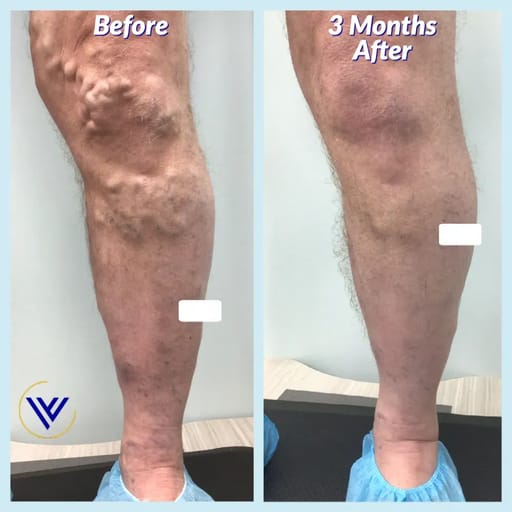
Chronic leg discomfort, visible veins, and swelling are more than just cosmetic concerns—they can signal underlying venous disease that needs proper medical attention. A Veins Specialist plays a crucial role in diagnosing and treating these conditions before they progress into more serious complications such as ulcers or blood clots. Many people ignore early symptoms like aching, heaviness, or spider veins, assuming they are only age-related or harmless. However, timely evaluation can significantly improve comfort, appearance, and long-term vascular health. This article explores chronic leg vein issues, available treatments, and how specialized care can make a difference in restoring healthy circulation and preventing long-term damage.
When to See a Veins Specialist for Leg Symptoms
A Veins Specialist is a medical professional trained to evaluate and treat conditions affecting the veins, particularly in the legs. You should consider seeing one if you experience persistent leg pain, swelling, visible varicose veins, or a feeling of heaviness that worsens throughout the day. These symptoms often indicate poor blood flow caused by weakened vein valves.
Ignoring early signs can lead to complications such as skin discoloration, inflammation, or venous ulcers. Many patients also notice nighttime cramping or itching around affected veins. These symptoms may seem minor at first but often progress gradually.
A specialist will assess your condition using advanced diagnostic tools and create a personalized treatment plan. Early intervention not only improves physical comfort but also helps prevent long-term vascular damage and reduces the need for more invasive procedures later.
Common Chronic Leg Vein Issues and Their Causes
Chronic leg vein problems typically include varicose veins, spider veins, and chronic venous insufficiency. These conditions occur when vein valves weaken, causing blood to pool instead of flowing efficiently back to the heart.
Varicose veins appear as bulging, twisted veins often visible under the skin. Spider veins are smaller but can still indicate underlying circulation issues. Chronic venous insufficiency may cause swelling, skin changes, and persistent discomfort.
Genetics plays a major role, but lifestyle factors such as prolonged standing, obesity, and lack of physical activity also contribute. Pregnancy can increase pressure on leg veins, making women more susceptible.
A Veins Specialist evaluates these conditions to determine severity and underlying causes. Understanding what triggers vein deterioration is essential for selecting effective treatment and preventing further progression.

Diagnostic Methods Used in Vein Evaluation
Accurate diagnosis is the foundation of effective vein treatment. Specialists use a combination of physical examination and imaging techniques to assess vein health.
One of the most common tools is duplex ultrasound, which allows doctors to visualize blood flow and detect valve dysfunction. This non-invasive test helps identify areas where blood is pooling or flowing backward.
During the evaluation, the specialist may also examine symptoms such as swelling patterns, skin texture changes, and visible vein structures. Patient history is equally important, including family background and lifestyle habits.
A Veins Specialist uses this comprehensive approach to determine the severity of venous disease and recommend the most appropriate treatment plan. Early and accurate diagnosis ensures better outcomes and reduces the risk of complications.
Non-Surgical Treatment Options for Vein Conditions
Many vein conditions can be effectively managed without surgery. Compression therapy is often the first line of treatment, helping improve circulation and reduce swelling. Special stockings apply controlled pressure to support vein function.
Lifestyle adjustments such as regular exercise, weight management, and avoiding prolonged sitting or standing also play a key role. Elevating the legs can further reduce pressure in affected veins.
Medications may be prescribed to reduce pain and inflammation in certain cases. These treatments are especially effective in early-stage venous disease.
A Veins Specialist may recommend combining several non-surgical methods for optimal results. While these approaches do not remove existing varicose veins, they can significantly slow progression and improve daily comfort.
Minimally Invasive Vein Procedures and Their Benefits
Modern vein care has advanced significantly, offering minimally invasive options that replace traditional surgery in many cases. Procedures such as sclerotherapy, endovenous laser therapy (EVLT), and radiofrequency ablation are commonly used.
These treatments target damaged veins by sealing or closing them, allowing blood to reroute through healthier vessels. They are performed with minimal discomfort and typically require little downtime.
Patients often return to normal activities within a short period, making these procedures highly convenient. Results also tend to be long-lasting, especially when combined with proper aftercare.
A Veins Specialist carefully selects the appropriate procedure based on the severity and location of vein disease. These modern techniques have transformed vein care, offering safer and more efficient outcomes than traditional surgical methods.
Risk Factors and How to Prevent Vein Problems
Several factors increase the risk of developing chronic vein issues. Genetics is one of the strongest contributors, meaning individuals with family history are more likely to experience vein disease.
Other risk factors include prolonged standing, sedentary lifestyle, obesity, and hormonal changes. Age also plays a role, as vein elasticity naturally decreases over time.
Preventive measures can significantly reduce risk. Regular exercise improves circulation, while maintaining a healthy weight reduces pressure on the veins. Avoiding long periods of immobility is also essential.
A Veins Specialist often emphasizes prevention alongside treatment. Early lifestyle adjustments can delay or even prevent the development of more serious venous conditions, reducing the need for medical intervention later in life.

Recovery and Aftercare Following Vein Treatment
Recovery after vein treatment varies depending on the procedure used, but most modern treatments allow for quick healing. Patients are usually encouraged to walk soon after treatment to promote healthy blood flow.
Compression garments are often recommended to support healing and reduce swelling. Mild discomfort or bruising may occur but typically resolves within a few days.
Follow-up appointments are important to monitor progress and ensure optimal results. Patients are also advised to maintain healthy lifestyle habits to prevent recurrence.
A Veins Specialist provides detailed aftercare instructions tailored to each patient’s treatment plan. Proper recovery practices play a significant role in achieving long-term success and maintaining vein health.
Lifestyle Changes to Support Healthy Veins
Maintaining healthy veins requires consistent lifestyle habits. Regular physical activity, such as walking or swimming, helps improve circulation and strengthen vein function.
Diet also plays an important role. Foods rich in fiber and antioxidants support vascular health, while reducing salt intake helps minimize swelling. Staying hydrated further improves blood flow.
Avoiding tight clothing and high heels can reduce pressure on leg veins. Taking breaks during long periods of sitting or standing is equally important.
Even small daily changes can significantly impact vein health over time. Combining these habits with medical guidance ensures better long-term outcomes and reduces the risk of recurrence.
Choosing the Right Clinic for Vein Treatment
Selecting the right clinic is essential for effective vein care. Patients should look for experienced professionals, advanced diagnostic tools, and a range of treatment options.
A reputable clinic will provide personalized care based on individual conditions rather than a one-size-fits-all approach. Comfort, communication, and transparency are also important factors.
Chronic vein conditions require ongoing management, so choosing a trusted provider ensures consistent care and better results.
For expert evaluation and treatment, consider Charming Skin Vein Clinics in Oak Brook. Their team offers advanced vein care solutions tailored to each patient’s needs. For consultations or appointments, call 630-974-2400.
Conclusion
Chronic leg vein issues can significantly affect comfort, mobility, and overall quality of life if left untreated. Understanding symptoms, available treatments, and preventive strategies is key to maintaining healthy circulation. Early evaluation and personalized care help prevent complications and improve long-term outcomes.
A qualified specialist can guide patients through diagnosis, treatment, and recovery with advanced techniques and supportive care. For those seeking professional help, Charming Skin Vein Clinics in Oak Brook offers comprehensive vein care services designed to address both medical and cosmetic concerns. To learn more or schedule an appointment, contact 630-974-2400.


