
Varicose veins are a common condition that affects millions of people, causing enlarged, twisted veins that often appear on the legs and feet. While many people consider them a cosmetic concern, varicose veins can also lead to discomfort, swelling, aching, and other complications if left untreated. Along with spider veins, they develop when the valves inside the veins weaken or become damaged, making it difficult for blood to flow efficiently back to the heart. Understanding why these vein problems develop over time can help you recognize early warning signs and seek treatment before symptoms worsen. Whether you’re experiencing mild discomfort or more advanced vein disease, consulting a qualified varicose veins doctor or experienced veins specialist can help identify the underlying cause and recommend the most effective treatment for long-term vein health.
Understanding How Healthy Veins Function
Healthy veins play an essential role in carrying blood from the body’s tissues back to the heart. Because the veins in your legs work against gravity, they rely on tiny one-way valves that prevent blood from flowing backward. Every time your leg muscles contract while walking or moving, they help push blood upward through these veins.
Over time, these valves can weaken due to aging, genetics, or prolonged pressure. When the valves fail to close properly, blood begins to pool inside the veins instead of moving efficiently toward the heart. This extra pressure gradually stretches the vein walls, causing them to enlarge and become visible beneath the skin.
This process often develops slowly over many years, which is why many individuals do not notice symptoms until the condition has progressed. Early intervention from a veins specialist can help prevent further damage and reduce the likelihood of complications. Understanding how normal circulation works provides the foundation for recognizing why vein disease develops and why timely treatment is so important.
Why Aging Increases the Risk of Varicose Veins
Aging is one of the most common factors associated with developing varicose veins. As the body naturally ages, the tissues that support veins gradually lose strength and elasticity. This makes it more difficult for vein walls and valves to maintain proper function.
Years of standing, walking, and daily activity place continuous stress on the veins. Eventually, the valves may become less effective at preventing blood from flowing backward. The resulting increase in pressure causes veins to enlarge and twist over time.
Older adults are also more likely to experience reduced muscle tone, which affects circulation in the legs. Since the calf muscles help pump blood upward, weaker muscles may contribute to slower blood flow.
Although aging cannot be prevented, maintaining an active lifestyle and monitoring vein health can significantly reduce progression. A qualified varicose veins doctor can evaluate aging-related vein changes and recommend personalized treatment options before symptoms become more severe.
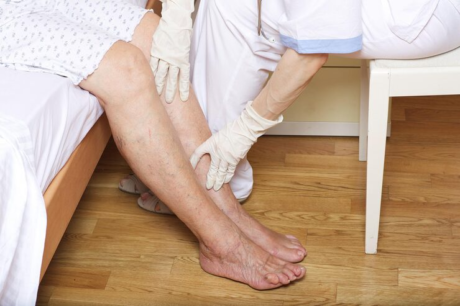
The Role of Genetics in Vein Disease
Family history is one of the strongest predictors of developing vein disease. If one or both parents have varicose veins, there is a significantly greater chance that future generations will experience similar problems.
Inherited vein conditions often involve weaker vein walls or valves that are more likely to fail under normal pressure. Even healthy lifestyle habits cannot completely eliminate this inherited risk, although they may slow progression.
Many individuals begin noticing visible veins in early adulthood, while others may not develop symptoms until later in life. The timing varies depending on lifestyle, occupation, weight, and overall circulation.
Knowing your family’s medical history allows you to be more proactive about vein health. Regular evaluations by a veins specialist can identify early signs of valve dysfunction and provide treatment before symptoms worsen.
How Standing or Sitting Too Long Affects Your Veins
Modern lifestyles often require people to spend long hours sitting at desks or standing throughout the workday. Both situations reduce healthy circulation and increase pressure within the veins of the legs.
Standing for extended periods forces the veins to work harder against gravity. Without frequent movement, blood may begin pooling in the lower legs, increasing stress on vein valves. Likewise, prolonged sitting limits muscle contractions that normally help pump blood upward.
Over months and years, this repeated strain contributes to valve weakening and vein enlargement. Individuals working in healthcare, retail, manufacturing, education, and office environments may all face increased risk depending on their daily routines.
Simple habits like walking regularly, stretching, and elevating the legs can improve circulation throughout the day. People with occupations involving prolonged standing or sitting should also consider routine screenings with a varicose veins doctor if symptoms begin developing.
Pregnancy and Hormonal Changes
Pregnancy places unique demands on the circulatory system, making varicose veins more common among women. Blood volume increases significantly to support the growing baby, creating additional pressure within the veins.
Hormonal changes also contribute to vein enlargement. Increased progesterone relaxes blood vessel walls, allowing veins to expand more easily. As the uterus grows, it places pressure on pelvic veins, slowing blood flow from the legs.
Many women notice symptoms during the second or third trimester, although veins often improve after delivery. However, repeated pregnancies may increase the likelihood that enlarged veins become permanent.
Hormonal changes during menopause or while using certain medications may also affect vein health. A veins specialist can determine whether pregnancy-related or hormone-related vein problems require treatment after childbirth.
Weight and Lifestyle Factors That Increase Risk
Excess body weight places additional pressure on the veins, especially those in the legs. This increased pressure forces the vein valves to work harder and may accelerate valve deterioration over time.
Physical inactivity also contributes to poor circulation. Walking, cycling, swimming, and other low-impact exercises strengthen the calf muscles that assist healthy blood flow. Without regular movement, blood is more likely to pool in the lower extremities.
Smoking may damage blood vessels and reduce overall circulation, while poor dietary habits can contribute to inflammation and weight gain. Together, these lifestyle factors increase the likelihood of developing chronic vein disease.
Fortunately, many of these risks can be reduced through healthier daily habits. Maintaining a healthy weight, staying physically active, and avoiding tobacco products all support better circulation and overall vein health.
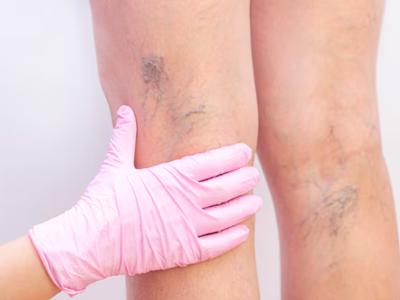
Recognizing Early Symptoms Before They Worsen
Many people assume varicose veins are purely cosmetic, but symptoms often appear before veins become highly visible. Early warning signs may include aching legs, heaviness, burning sensations, swelling, muscle cramps, or itching around affected veins.
Spider veins may also develop before larger varicose veins become noticeable. Although spider veins are generally smaller and closer to the skin’s surface, they can indicate underlying circulation problems in some individuals.
Without treatment, symptoms may gradually worsen, leading to skin discoloration, inflammation, or painful ulcers in advanced cases. Early diagnosis allows for less invasive treatment options and better long-term outcomes.
Scheduling an evaluation with a varicose veins doctor when symptoms first appear can help identify underlying vein disease before complications develop.
Modern Treatment Options Available Today
Advances in vascular medicine have made treating varicose veins more effective and less invasive than ever before. Most procedures now require little downtime and can often be completed in an outpatient setting.
Treatment recommendations depend on the severity of the condition and the affected veins. Common options include sclerotherapy for spider veins, endovenous laser therapy, radiofrequency ablation, and minimally invasive procedures that seal damaged veins while preserving healthy circulation.
Compression stockings may also be recommended to relieve symptoms and improve blood flow, particularly during early stages of vein disease or after certain procedures.
A qualified veins specialist will perform a comprehensive evaluation, often including ultrasound imaging, to determine the underlying cause of your symptoms and develop an individualized treatment plan that supports long-term vein health.
Conclusion
Varicose veins develop gradually as vein valves weaken, allowing blood to pool and place increasing pressure on the veins. Factors such as aging, genetics, pregnancy, prolonged standing or sitting, excess weight, and lifestyle habits all contribute to their progression. Recognizing symptoms early and seeking evaluation from an experienced varicose veins doctor or veins specialist can help prevent complications and improve both comfort and circulation. If you’re experiencing symptoms of varicose veins or spider veins, the experienced team at Charming Skin Vein Clinics (Oakbrook) is here to help. They provide personalized evaluations and advanced treatment options designed to restore healthy circulation and improve your quality of life. To schedule a consultation in Oakbrook, call 630-974-2400 and take the first step toward healthier legs.