
Varicose veins and spider veins are common vascular conditions that affect millions of people, yet many individuals delay seeking treatment because they believe these issues are only cosmetic. While varicose veins, spider veins, and other vein disorders may begin with mild symptoms, they can progress over time and lead to discomfort, swelling, and more serious circulatory complications. Knowing when to visit a varicose veins doctor or veins specialist is essential for protecting your long-term vascular health.
Early diagnosis allows healthcare providers to identify the underlying cause of vein problems and recommend treatments before symptoms worsen. Whether you have occasional leg pain, visible veins, or persistent swelling, understanding the warning signs can help you make informed decisions about your health and improve your quality of life.
Why Varicose Veins and Spider Veins Develop
Varicose veins occur when the valves inside your veins become weak or damaged, allowing blood to pool instead of flowing efficiently back to the heart. This increased pressure causes veins to enlarge, twist, and become visible beneath the skin. Spider veins are smaller, thinner blood vessels that appear as red, blue, or purple web-like patterns, often on the legs or face.
Several factors contribute to the development of vein disease. Genetics, aging, pregnancy, obesity, prolonged standing or sitting, and hormonal changes can all increase your risk. While spider veins may seem harmless, they can sometimes indicate underlying venous insufficiency that requires evaluation.
Understanding these causes helps explain why symptoms often worsen over time without treatment. A qualified veins specialist can determine whether your visible veins are cosmetic concerns or signs of a deeper circulation problem. Early evaluation also allows patients to explore minimally invasive treatment options before more advanced complications develop.
Common Symptoms That Should Not Be Ignored
Many people assume that visible veins are the only sign of vein disease, but symptoms often begin long before veins become prominent. Aching legs, heaviness, burning sensations, muscle cramps, itching, and swelling are all common indicators that your veins may not be functioning properly.
Symptoms frequently become worse after standing for long periods or at the end of the day. Some individuals also notice skin discoloration around the ankles or experience restless legs during the evening.
These warning signs should never be ignored because they often indicate underlying venous insufficiency. A varicose veins doctor can perform a detailed examination and determine whether your symptoms are related to circulation problems. Early diagnosis helps prevent progression while improving daily comfort and mobility through personalized treatment recommendations.
When You Should Schedule a Visit to a Varicose Veins Doctor
Many patients wonder whether they should wait until symptoms become severe before seeking treatment. In reality, early intervention usually provides the best outcomes and helps prevent additional vein damage.
You should consider scheduling an appointment if your leg discomfort becomes persistent, your veins continue to enlarge, swelling becomes frequent, or skin changes begin to appear. Pain that interferes with work, exercise, or daily activities also deserves professional evaluation.
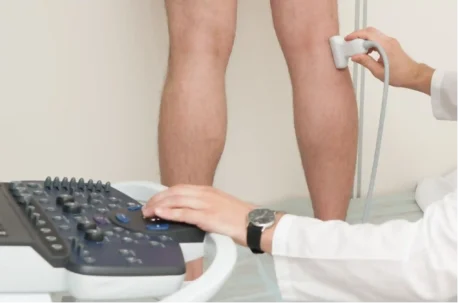
Pregnant women, individuals with a family history of vein disease, and people whose occupations require prolonged standing may benefit from preventive assessments. A veins specialist can evaluate your circulation using advanced imaging technology and recommend appropriate treatment based on your specific condition rather than waiting for complications to develop.
How a Veins Specialist Diagnoses Vein Disease
A thorough evaluation begins with a discussion of your medical history, symptoms, lifestyle, and family history of vein disease. Your provider will carefully examine your legs and evaluate visible veins while looking for signs of poor circulation.
In many cases, duplex ultrasound imaging is used to assess blood flow and identify damaged valves that cannot be seen during a physical examination. This painless, non-invasive test provides valuable information about the underlying cause of your symptoms.
Accurate diagnosis allows a veins specialist to create an individualized treatment plan rather than relying solely on the appearance of visible veins. Identifying the source of venous insufficiency ensures that treatment addresses both cosmetic concerns and the underlying medical condition for lasting improvement.
Treatment Options Available Today
Modern vein treatments have advanced significantly over the past decade. Most procedures are minimally invasive, require little downtime, and can often be completed in an outpatient setting without general anesthesia.
Depending on the severity of your condition, treatment options may include sclerotherapy, endovenous laser therapy, radiofrequency ablation, ambulatory phlebectomy, or medical management using compression therapy and lifestyle modifications. Each option targets different types of vein disease.
Your varicose veins doctor will recommend the most appropriate approach based on your symptoms, ultrasound findings, overall health, and treatment goals. Many patients experience significant relief from pain, swelling, and fatigue while also improving the appearance of their legs.
Lifestyle Changes That Support Healthy Veins
Although medical treatment is highly effective, healthy lifestyle habits play an important role in preventing vein disease from progressing. Regular walking and low-impact exercise improve circulation by encouraging healthy blood flow through the leg muscles.
Maintaining a healthy weight reduces pressure on your veins, while elevating your legs after prolonged standing can decrease swelling and discomfort. Compression stockings may also provide additional support for patients experiencing mild to moderate symptoms.
Avoiding extended periods of sitting or standing helps reduce venous pressure throughout the day. Even simple movements such as stretching or taking short walking breaks can improve circulation and complement professional treatment recommendations from your veins specialist.
What Happens If Varicose Veins Are Left Untreated?
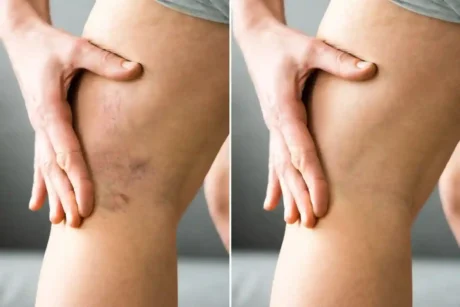
Ignoring vein disease may allow symptoms to worsen gradually over time. What begins as mild discomfort or cosmetic concerns can eventually develop into chronic swelling, skin discoloration, inflammation, bleeding veins, or difficult-to-heal leg ulcers.
Some patients also experience superficial blood clots or progressive chronic venous insufficiency that significantly affects mobility and daily activities. While not every case becomes severe, delaying treatment increases the likelihood of complications.
Seeking care from a varicose veins doctor before these problems develop often results in simpler treatment, faster recovery, and better long-term outcomes. Early intervention protects both your vascular health and your overall quality of life.
Benefits of Early Evaluation and Treatment
Early treatment provides benefits that extend beyond cosmetic improvement. Patients frequently report reduced leg pain, improved mobility, better sleep, increased energy, and greater confidence after successful treatment.
Addressing vein disease early also helps preserve healthy circulation and may reduce the risk of future complications. Modern procedures are designed to be safe, effective, and minimally disruptive to everyday life.
Working with an experienced veins specialist allows patients to receive individualized care based on accurate diagnosis rather than temporary symptom management. Timely evaluation ensures the most appropriate treatment plan while helping patients maintain healthy veins for years to come.
Conclusion
Recognizing the early signs of varicose veins and spider veins can make a significant difference in your long-term vascular health. Persistent leg pain, swelling, visible veins, skin changes, or heaviness should not be ignored, as these symptoms may indicate underlying vein disease. Consulting a qualified varicose veins doctor or veins specialist allows for accurate diagnosis and access to modern, minimally invasive treatments that can improve both comfort and circulation.
If you’re experiencing symptoms of vein disease, the experienced team at Charming Skin Vein Clinics (Chicago) is committed to providing personalized care and advanced treatment options tailored to your needs. Serving patients throughout Chicago, they can help you take the next step toward healthier legs and improved quality of life. To schedule a consultation or learn more about your treatment options, call 630-974-2400 today.