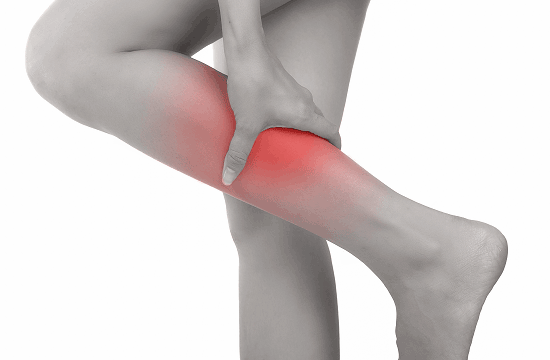
Varicose Veins symptoms every physcians should be aware of
If you’ve ever experienced leg pain, tiredness, cramps, or swelling in your lower limbs, you may have brushed it off as fatigue from a long day. However, these seemingly common issues could be indicative of a more serious condition known as varicose veins. In this article, we will explore varicose veins, varicose Veins symptoms, and why every physician should be well-versed in recognizing them.
What Are Varicose Veinssymptoms?
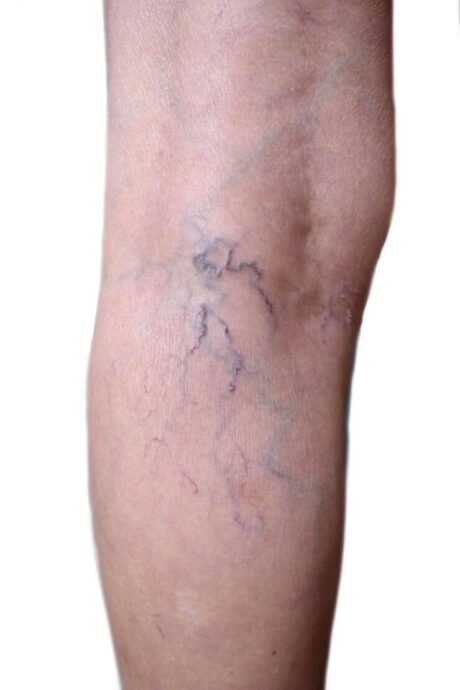
Varicose veins are enlarged, swollen, and twisted veins that often appear blue or dark purple. They most commonly occur in the legs, as they are caused by damaged or weakened valves in the veins. These valves normally help regulate blood flow, but when they malfunction, blood can pool in the veins, leading to varicose veins.
The Uncomfortable Signs: Leg Pain
One of the hallmark varicose veins symptoms is leg pain. This pain is often described as aching, throbbing, or burning in the legs. It tends to worsen after long periods of standing or sitting. The pain can be quite uncomfortable and can significantly impact your daily activities.
Endless Tiredness
common varicose veins symptoms are the feeling of tiredness in your legs, even when you haven’t been overly active. This fatigue can make it difficult to stay on your feet for extended periods. It’s like your legs are constantly begging for a break.
Unwanted Cramps
Varicose veins can also bring on leg cramps. These cramps can be sudden and intense, often waking you up in the middle of the night with excruciating pain. They are typically caused by muscle contractions triggered by poor circulation.
The Swelling Mystery
Swelling, especially around the ankles and lower legs, is another telltale sign of varicose veins symptoms. The excess blood pooling in the veins can cause fluid to leak into the surrounding tissues, resulting in noticeable swelling.
It’s Not Just Cosmetic
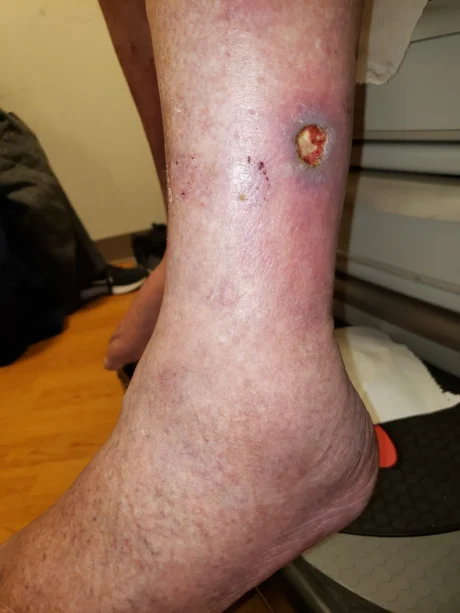
While many people associate varicose veins with a cosmetic concern, they can be much more than that. Varicose veins can lead to serious medical complications, such as skin ulcers and blood clots. Therefore, it’s essential for physicians to be aware of the varicose veins symptoms and risks associated with this condition.
Diagnosing Varicose Veins
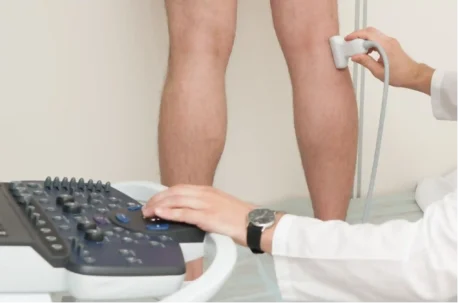
To properly diagnose varicose veins, physicians may employ various methods, including physical examinations, ultrasound imaging, and venous Doppler studies. These tests help determine the severity of the condition and guide treatment options.
Treating Varicose Veins
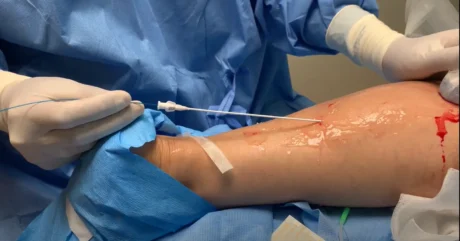
The good news is that varicose veins are treatable. Physicians may recommend lifestyle changes, such as regular exercise and elevating the legs. Compression stockings are another option, as they help improve blood circulation. In more severe cases, minimally invasive procedures like laser therapy or endovenous thermal ablation may be necessary.
The Importance of Early Detection
Early detection of varicose veins is crucial for preventing complications. Physicians play a vital role in identifying these symptoms and guiding patients toward appropriate treatment. If left untreated, varicose veins can lead to chronic venous insufficiency, skin changes, and even venous ulcers.
Conclusion
In conclusion, varicose veins are not just a cosmetic concern; they come with a range of uncomfortable symptoms that every physician should be aware of. Leg pain, tiredness, cramps, and swelling can all be signs of this condition. Early detection and proper treatment are essential for preventing complications and improving the quality of life for patients with varicose veins.
FAQs about Varicose Veins
1. What causes varicose veins Symptoms?
Varicose veins are primarily caused by weakened or damaged valves in the veins, which disrupt the normal blood flow and lead to vein enlargement.
2. Are varicose veins only a cosmetic concern?
No, varicose veins can lead to more severe complications if left untreated. They can cause leg pain, ulcers, and even blood clots.
3. Can varicose veins be prevented?
While you can’t always prevent varicose veins, you can reduce your risk by staying active, maintaining a healthy weight, and wearing compression stockings.
4. How are varicose veins treated?
Treatment options include lifestyle changes, compression stockings, and minimally invasive procedures like laser therapy or endovenous thermal ablation.
5. When should I see a physician about varicose veins?
If you experience symptoms like leg pain, swelling, or cramps, it’s advisable to consult a physician for a proper diagnosis and guidance on treatment options.
By being vigilant about these symptoms and seeking medical attention, when necessary, both physicians and patients can work together to manage varicose veins effectively and prevent further complications.
The Importance of Early Detection
Detecting varicose veins in their early stages is crucial for effective management and prevention of complications. Physicians play a vital role in recognizing the signs and guiding patients toward appropriate treatment. Here, we’ll delve deeper into why early detection is of paramount importance:
Preventing Chronic Venous Insufficiency
Chronic Venous Insufficiency (CVI) is a condition that can result from untreated varicose veins. In CVI, the valves in the veins are severely damaged, leading to poor blood circulation in the legs. This can cause symptoms like swelling, skin discoloration, and painful ulcers. Early detection and intervention can help prevent the progression of varicose veins to CVI.
Addressing Skin Changes
Varicose veins can lead to skin changes in the affected areas. The skin may become discolored, dry, and itchy. In some cases, the skin can become thin and fragile, making it susceptible to ulcers and infections. Recognizing these changes early allows for prompt treatment to maintain healthy skin.
Reducing the Risk of Venous Ulcers
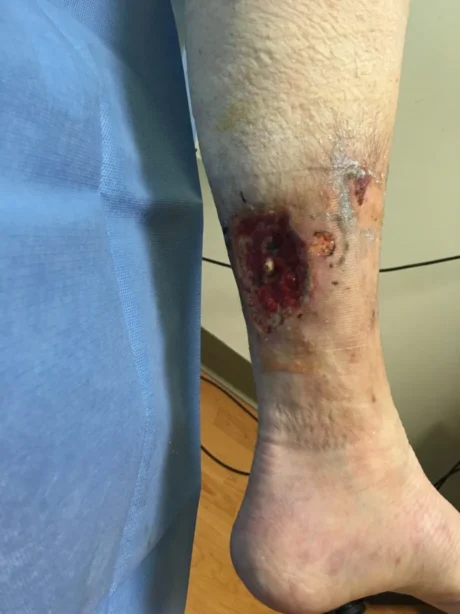
One of the most severe complications of varicose veins is the development of venous ulcers. These are open sores that often occur near the ankles. Venous ulcers can be painful, slow to heal, and prone to infection. Early detection and appropriate management can significantly reduce the risk of developing these ulcers.
Enhancing Quality of Life
The symptoms of varicose veins, such as leg pain, fatigue, and swelling, can significantly impact a person’s quality of life. They may limit mobility and hinder daily activities. Identifying varicose veins early and implementing appropriate treatments can lead to a marked improvement in the patient’s overall well-being.
Lowering the Risk of Blood Clots
Blood clots, medically known as deep vein thrombosis (DVT), are a severe complication that can arise from varicose veins. When blood flow is sluggish due to vein damage, it becomes more prone to clotting. These clots can be dangerous if they travel to other parts of the body. Early detection and management can help lower the risk of DVT.
In summary, early detection of varicose veins is vital for preventing complications, preserving skin health, reducing the risk of venous ulcers, improving overall quality of life, and lowering the risk of blood clots. Physicians should be proactive in recognizing the symptoms and guiding patients toward appropriate treatment options.
Conclusion
Varicose veins may often be seen as a cosmetic concern, but they are much more than that. Leg pain, tiredness, cramps, and swelling are all symptoms that can indicate the presence of varicose veins. Physicians play a crucial role in identifying varicose veins symptoms early and helping patients access the appropriate treatments.
By being vigilant about these symptoms and seeking medical attention, when necessary, both physicians and patients can work together to manage varicose veins effectively and prevent further complications. Early detection is the key to maintaining healthy legs and an improved quality of life. So, if you’ve been experiencing any of these symptoms, don’t hesitate to reach out to a healthcare professional for evaluation and guidance. Your legs will thank you for it!