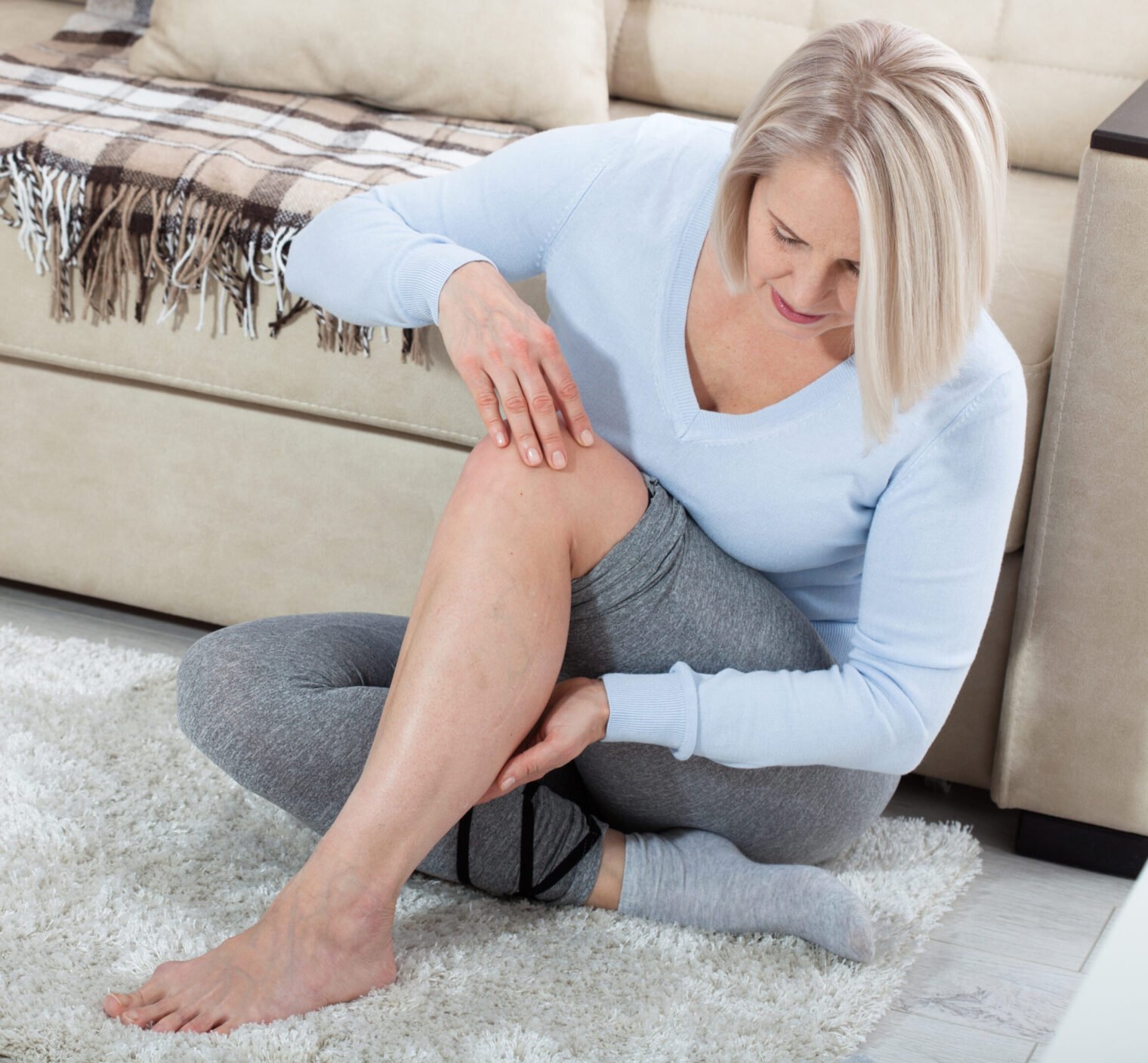
Unveiling the Secrets Behind Varicose Vein Causes
Have you ever noticed swollen, twisted veins, often resembling a knotted rope, on your legs? Chances are, you’ve come across varicose veins at some point, or perhaps you’re dealing with them right now. Varicose veins are more than just a cosmetic concern; they can be painful and uncomfortable. In this article, we’ll delve into the world of varicose vein causes, demystifying the reasons behind this common health issue.
So, what causes varicose veins? Let’s take a closer look.
Understanding Varicose Veins causes
Varicose veins are enlarged, gnarled veins that typically appear in the legs. They often develop when the veins’ one-way valves fail, causing blood to flow backward and pool within the veins. This pooling of blood leads to the veins becoming swollen and twisted, resulting in the formation of varicose veins.
The Role of Genetics
Genetics can play a significant role in whether or not you develop varicose veins. If your parents or grandparents had them, you might be at a higher risk. This is because the genetic makeup of your veins can affect their strength and the efficiency of their valves.
Pregnancy as Varicose Vein causes
Pregnancy is a beautiful journey, but it can also be a factor in the development of varicose veins. The increasing pressure on the pelvic blood vessels by the growing uterus can lead to varicose veins. Additionally, hormonal changes during pregnancy can weaken the vein walls.
Occupational Factors
Certain occupations that involve prolonged periods of standing or sitting can be one of varicose vein causes. Jobs that demand extended periods of sitting, such as office work, or those that require long hours of standing, like teaching or nursing, can place added pressure on the leg veins.
The Connection to Age
Age is a factor that we can’t escape. As we grow older, our veins naturally lose some of their elasticity, making them less efficient at pushing blood back to the heart. This aging process can be an important factor of varicose vein causes.
Obesity as Varicose Vein causes
Excess weight places additional pressure on the veins in your legs. The extra weight can make it harder for the blood to flow effectively, increasing the likelihood of varicose veins.
Hormonal Changes
Hormonal changes, such as those that occur during puberty, pregnancy, and menopause, can affect the vein walls’ elasticity. This hormonal impact can make the veins more susceptible to becoming varicose.
Sedentary Lifestyle
Sitting or standing for extended periods can weaken the calf muscle pump, which is essential for maintaining healthy blood flow. A sedentary lifestyle can thus contribute to the development of varicose veins.
Trauma and Varicose Veins
Injuries or trauma to the leg can damage the veins and their valves. Such damage could be one of varicose vein causes, often appearing at or near the site of the injury.
Smoking and Its Impact
Smoking is detrimental to overall vascular health. It can weaken and constrict blood vessels, making it more difficult for blood to flow freely. This can exacerbate the development of varicose veins.
Preventing Varicose Veins
Preventing varicose veins involves lifestyle changes. Regular exercise, maintaining a healthy weight, and avoiding prolonged periods of sitting or standing can reduce your risk. Additionally, wearing compression stockings can help improve blood flow in your legs.
When to Seek Medical Advice
If you’re experiencing painful varicose veins, seek medical advice. Treatment options are available, and a medical professional can help determine the best course of action for your specific situation.
Treatment Options
Treatment options for varicose veins range from lifestyle changes and compression stockings to medical procedures such as vein stripping, laser therapy, or radiofrequency closure. The choice of treatment depends on the severity of your condition.
Conclusion
In conclusion, varicose veins can affect anyone, but understanding the causes can help you take preventive measures. Whether it’s genetics, pregnancy, your occupation, or lifestyle choices, being aware of the factors that contribute to varicose veins is the first step in maintaining healthy legs.
Frequently Asked Questions (FAQs)
Q1: What do varicose veins feel like?
Varicose veins often feel heavy, achy, or painful. Some individuals also experience itching and burning sensations in the affected areas.
Q2: Can varicose veins go away on their own?
Varicose veins typically do not disappear without treatment. They may worsen over time, so it’s advisable to seek medical advice if you have them.
Q3: Are varicose veins only a cosmetic concern?
No, varicose veins can cause physical discomfort and, in severe cases, lead to complications such as ulcers and blood clots.
Q4: Can varicose veins be prevented?
Yes, you can reduce your risk of developing varicose veins by maintaining a healthy lifestyle, including regular exercise and weight management.
Q5: What are the common treatment options for varicose veins?
Treatment options include lifestyle changes, compression stockings, and medical procedures such as vain stripping, laser therapy, or radiofrequency closure.
In the quest for healthy legs, understanding the causes of varicose veins is vital. By making informed choices and seeking medical guidance when necessary, you can minimize your risk and ensure your legs stay in great shape.