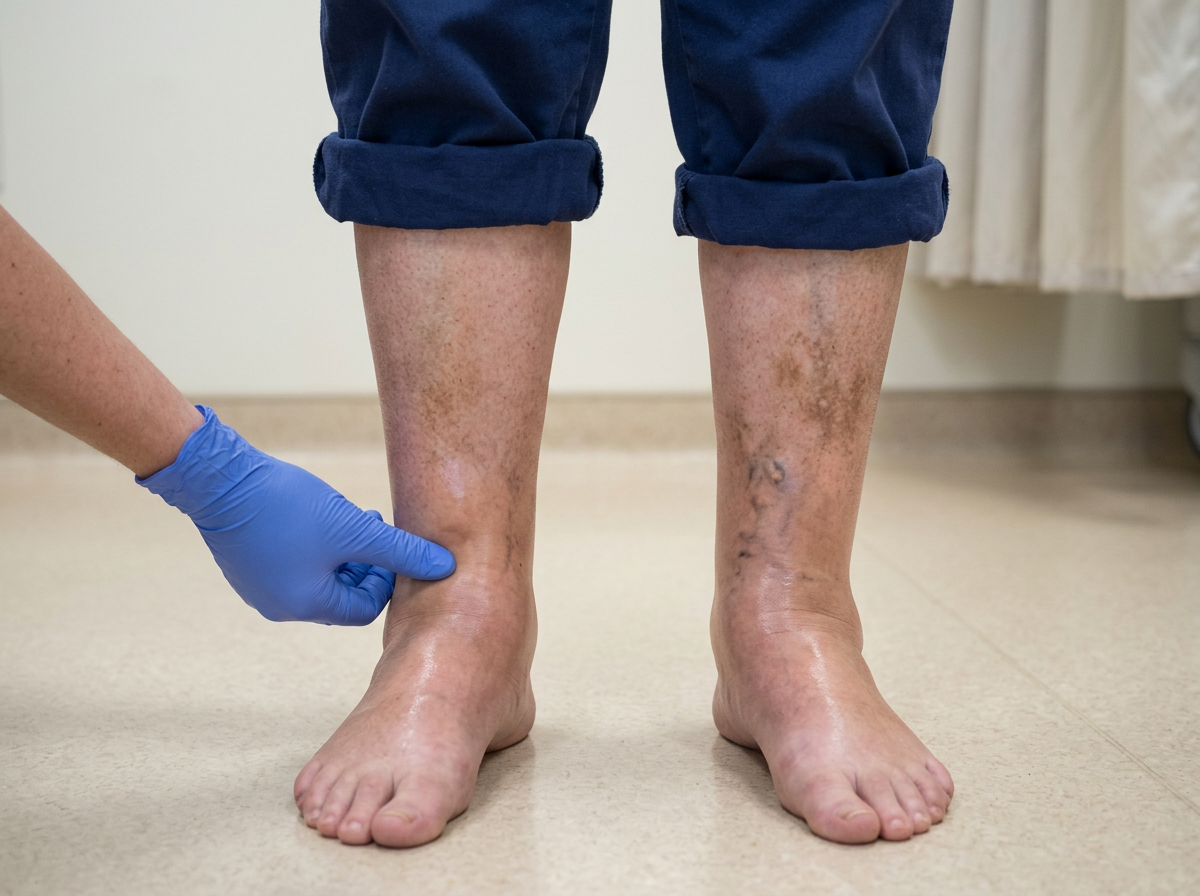
Cosmetic vein concerns such as spider veins and varicose veins are more than just a cosmetic issue—they can also affect comfort, confidence, and overall leg health. Finding a qualified Veins Specialist is essential for anyone seeking safe and effective treatment options. These specialists are trained to diagnose and treat vein conditions using modern, minimally invasive procedures designed to improve both appearance and circulation.
A Veins Specialist evaluates the underlying causes of visible veins and recommends personalized treatment plans based on each patient’s condition. With advancements in medical aesthetics, patients now have access to procedures that require little downtime and deliver long-lasting results. Understanding what these specialists do and how they help can make it easier to choose the right provider for your needs and achieve healthier-looking legs.
Understanding Cosmetic Vein Procedures and Treatment Goals
A Veins Specialist focuses on diagnosing and treating superficial vein issues that commonly appear on the legs and face. These include spider veins, which are small and web-like, and varicose veins, which are larger and often raised beneath the skin. Cosmetic vein procedures aim to improve both appearance and physical symptoms such as aching, swelling, or heaviness.
Treatment goals vary depending on severity, but most patients seek a combination of aesthetic improvement and symptom relief. Common procedures include sclerotherapy, laser therapy, and minimally invasive vein sealing techniques. Each method targets damaged veins so the body can naturally reroute blood flow through healthier vessels.
Modern cosmetic vein care prioritizes precision and comfort. A thorough evaluation ensures the treatment plan is tailored to the individual’s vein structure and health condition. This personalized approach leads to better outcomes and reduced risk of recurrence.
How a Veins Specialist Evaluates Vein Conditions
A Veins Specialist begins the treatment journey with a detailed consultation and diagnostic evaluation. This step is crucial because visible veins are often a symptom of deeper circulatory issues. The specialist may perform a physical examination and use ultrasound imaging to assess blood flow and vein function.
During evaluation, factors such as lifestyle, medical history, and symptoms like pain or swelling are carefully reviewed. This helps determine whether the issue is cosmetic or medically significant. Identifying the root cause ensures the treatment plan is both safe and effective.
Once the assessment is complete, the specialist outlines available treatment options. Patients are educated on expected results, recovery time, and preventive care strategies. This transparent process helps build trust and allows patients to make informed decisions about their vein care journey.

Common Cosmetic Vein Treatment Options Available
Treatment options offered by a Veins Specialist have advanced significantly in recent years, providing patients with minimally invasive solutions. One of the most common procedures is sclerotherapy, where a solution is injected into affected veins, causing them to collapse and fade over time.
Laser treatments are also widely used, especially for smaller spider veins. These procedures use targeted light energy to close off damaged vessels without harming surrounding tissue. For larger varicose veins, endovenous laser therapy or radiofrequency ablation may be recommended.
Each treatment is designed to minimize discomfort and recovery time while maximizing results. Most procedures are performed in-office and allow patients to return to normal activities shortly after treatment. The choice of procedure depends on the severity of the condition and the patient’s overall health profile.
Benefits of Choosing a Veins Specialist for Treatment
Working with a Veins Specialist ensures that patients receive expert-level care tailored specifically to vein conditions. Unlike general practitioners, these specialists have advanced training in vascular health and cosmetic vein procedures, which leads to more accurate diagnosis and better outcomes.
One major benefit is the ability to address both cosmetic and medical concerns simultaneously. Many patients not only improve the appearance of their legs but also experience relief from discomfort such as aching or swelling. This dual benefit enhances overall quality of life.
Another advantage is access to modern technology and minimally invasive techniques. These treatments typically involve little to no downtime, making them convenient for individuals with busy schedules. Patients also benefit from personalized care plans that focus on long-term vein health and prevention of future issues.
What to Expect During Your Consultation
A Veins Specialist consultation is the first step toward understanding your vein health and available treatment options. During this appointment, the specialist carefully evaluates visible veins and discusses any symptoms you may be experiencing, such as pain, fatigue, or swelling.
Diagnostic tools such as ultrasound imaging may be used to assess deeper vein function. This helps ensure that the treatment plan addresses both surface-level concerns and underlying causes. Patients are encouraged to ask questions and discuss expectations openly during this stage.
After the evaluation, the specialist provides a customized treatment plan that outlines recommended procedures, estimated recovery time, and expected results. This step ensures clarity and confidence before moving forward with treatment, making the entire process more comfortable and transparent for patients.
Recovery and Aftercare Following Vein Treatment
A Veins Specialist provides detailed aftercare instructions to ensure optimal healing and long-lasting results after treatment. Recovery time varies depending on the procedure, but most minimally invasive treatments allow patients to resume normal activities quickly.
Patients are often advised to wear compression stockings to support circulation and reduce swelling. Light walking is encouraged to promote blood flow, while strenuous activities may need to be avoided for a short period. Following these guidelines helps improve treatment effectiveness and reduces the risk of complications.
Follow-up appointments are also important to monitor progress and ensure proper healing. Over time, treated veins gradually fade, and patients notice smoother, healthier-looking skin. Consistent aftercare plays a key role in maintaining results and supporting overall vein health.

Choosing the Right Vein Treatment Clinic
Selecting the right clinic is an important step in achieving successful results. A qualified Veins Specialist should be experienced, board-certified, and skilled in modern vein treatment techniques. Patients should also look for clinics that use advanced diagnostic tools and offer personalized care plans.
Reputation and patient reviews can provide valuable insight into the quality of care provided. A well-established clinic will prioritize patient education, safety, and comfort throughout the treatment process. Transparent communication about procedures and pricing is also a key indicator of a trustworthy provider.
Ultimately, choosing the right clinic ensures that patients receive high-quality treatment tailored to their specific needs, leading to better results and improved confidence.
Understanding Costs and Long-Term Results
The cost of treatment with a Veins Specialist varies depending on the type and complexity of the procedure. Factors such as the number of veins treated, the method used, and the severity of the condition all influence pricing.
While cosmetic vein treatments may not always be covered by insurance, many patients find the investment worthwhile due to long-lasting results and improved comfort. Minimally invasive procedures often require fewer sessions compared to traditional surgical methods.
Long-term success depends on maintaining a healthy lifestyle, including regular exercise and proper circulation habits. With the right care, results can last for years, making vein treatment a valuable investment in both appearance and health.
Conclusion
Choosing a skilled specialist for vein treatment is essential for achieving safe, effective, and lasting results. Cosmetic vein procedures today offer advanced solutions that improve both appearance and comfort with minimal downtime. Understanding the treatment process, recovery expectations, and available options helps patients make informed decisions about their care.
For expert evaluation and personalized treatment, Charming Skin Vein Clinics in Oak Brook provides comprehensive vein care services tailored to individual needs. Their experienced team ensures high-quality results using modern techniques and patient-focused care. To schedule a consultation or learn more, contact 630-974-2400.


