
Spider veins are a common concern for many adults, but they often raise an important question: are they simply a cosmetic issue, or could they indicate a more serious underlying vein condition? While Spider Veins are frequently harmless, they can sometimes be linked to poor circulation or damaged veins that require professional evaluation. Understanding the connection between Varicose Veins, Spider Veins, a qualified Varicose Veins Doctor, and an experienced Veins Specialist can help you recognize when it’s time to seek treatment. Early diagnosis not only improves the appearance of your legs but may also prevent more significant vein-related complications. In this guide, we’ll explain what spider veins are, when they may signal a deeper problem, and how modern vein treatments can help restore both your vascular health and confidence.
What Are Spider Veins?
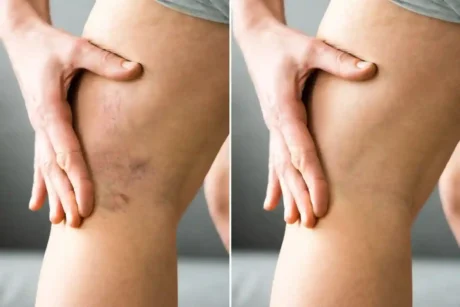
Spider veins are small, damaged blood vessels that appear close to the surface of the skin. They typically look like thin red, blue, or purple lines that resemble spider webs or tree branches. They most commonly develop on the legs and face, although they can appear elsewhere on the body.
These veins develop when tiny valves inside the blood vessels weaken, allowing blood to collect instead of flowing efficiently back to the heart. As pressure builds, the vessels become visible beneath the skin.
Although many people consider spider veins to be primarily cosmetic, they may occasionally indicate underlying vein dysfunction. Understanding their cause is the first step toward determining whether further evaluation is necessary.
How Spider Veins Differ from Varicose Veins
Although spider veins and Varicose Veins are often mentioned together, they are not the same condition. Spider veins are much smaller and usually remain close to the skin’s surface, while varicose veins are larger, swollen, twisted veins that may bulge noticeably beneath the skin.
Varicose veins frequently cause symptoms such as aching, heaviness, swelling, throbbing, and leg fatigue. Spider veins, on the other hand, are often painless, though some individuals experience mild burning or itching.
Both conditions share similar risk factors and may result from weakened vein valves. Because of this connection, the presence of spider veins can occasionally suggest early stages of venous insufficiency that deserves medical evaluation.
Are Spider Veins Ever a Sign of a Serious Vein Problem?
In many cases, spider veins are harmless and do not indicate a serious health issue. However, when they appear alongside symptoms such as persistent leg pain, swelling, heaviness, skin discoloration, or recurring cramps, they may be associated with chronic venous insufficiency.
This condition occurs when veins struggle to return blood efficiently to the heart, causing blood to pool in the legs. Over time, untreated venous disease may increase the risk of skin ulcers, inflammation, and worsening vein damage.
Seeking an evaluation early helps determine whether spider veins are isolated cosmetic concerns or part of a more significant circulatory problem that requires treatment.
Common Causes and Risk Factors
Several factors contribute to the development of spider veins. Genetics plays a major role, meaning people with a family history of vein disease are more likely to develop them themselves.
Other common risk factors include prolonged standing or sitting, pregnancy, aging, obesity, hormonal changes, and lack of physical activity. Occupations that require long hours on your feet may also increase pressure within the leg veins.
While these factors don’t always lead to serious vein disease, they can weaken vein walls and valves over time. Maintaining a healthy lifestyle and recognizing risk factors can help reduce the likelihood of progression.
When Should You See a Varicose Veins Doctor?
If spider veins are accompanied by discomfort, swelling, skin changes, or visible bulging veins, it’s wise to consult a Varicose Veins Doctor. Even if your symptoms seem minor, an evaluation can identify underlying issues before they become more advanced.
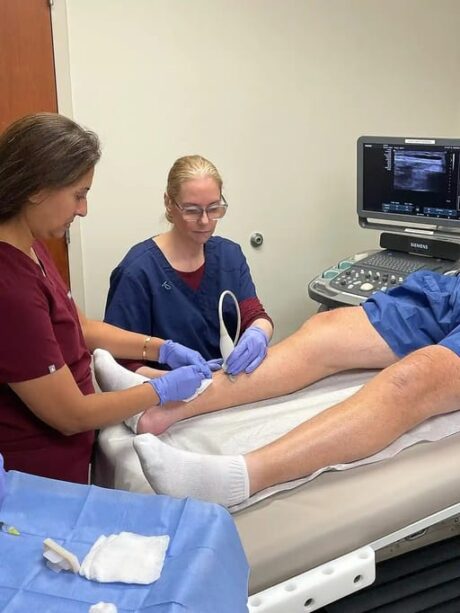
A physician specializing in vein care may perform a physical examination along with a duplex ultrasound to assess blood flow and valve function. This painless imaging test provides valuable insight into the health of your veins.
Early diagnosis often allows for less invasive treatments and may help prevent future complications while improving both comfort and appearance.
How a Veins Specialist Diagnoses Vein Conditions
A qualified Veins Specialist evaluates more than just the visible appearance of spider veins. The goal is to determine whether underlying vein disease exists and identify the most appropriate treatment plan.
The evaluation typically includes reviewing your medical history, discussing symptoms, examining your legs, and performing vascular ultrasound imaging. These tests reveal whether deeper veins are functioning properly.
An accurate diagnosis helps distinguish between cosmetic spider veins and more significant venous disorders, ensuring patients receive personalized care based on their specific needs.
Treatment Options for Spider Veins and Varicose Veins
Modern vein treatments are highly effective and minimally invasive. For isolated spider veins, sclerotherapy remains one of the most common treatments, using a specialized solution to close affected veins so the body naturally absorbs them over time.
For larger Varicose Veins, additional procedures such as endovenous laser therapy, radiofrequency ablation, or minimally invasive vein closure techniques may be recommended depending on the severity of the condition.
Most treatments require little downtime, allowing patients to resume normal activities quickly while achieving both cosmetic improvements and healthier circulation.
Can Spider Veins Be Prevented?
Although spider veins cannot always be prevented, especially when genetics are involved, healthy habits can significantly reduce your risk.
Regular exercise promotes healthy circulation and strengthens the calf muscles that help pump blood upward through the legs. Maintaining a healthy weight, avoiding prolonged sitting or standing, elevating your legs when possible, and wearing compression stockings when recommended can also improve vein health.
These preventive measures may slow the development of both spider veins and varicose veins while supporting better long-term vascular function.
Why Early Treatment Matters
Ignoring spider veins simply because they appear small may allow underlying vein disease to progress unnoticed. While not every case requires treatment, persistent symptoms should never be ignored.
Early intervention often results in simpler procedures, improved comfort, better cosmetic outcomes, and reduced risk of future complications. Patients also gain peace of mind by understanding the true cause of their symptoms.
Consulting an experienced vein care provider allows you to make informed decisions about maintaining healthy circulation and protecting your long-term vascular health.
Conclusion
Spider veins are often harmless, but they should not always be dismissed as purely cosmetic. In some cases, they may signal underlying vein disease that benefits from early diagnosis and treatment. Recognizing accompanying symptoms, understanding your personal risk factors, and consulting a qualified Veins Specialist can help prevent more serious circulation problems. Whether you’re concerned about Spider Veins, Varicose Veins, or simply want peace of mind, professional evaluation is the best first step. If you’re looking for expert vein care in Chicago, the experienced team at Charming Skin Vein Clinics (Chicago) provides comprehensive diagnosis and personalized treatment options tailored to your needs. To schedule a consultation or learn more about your vein health, call 630-974-2400 today.