
Varicose Veins in Chicago are a common concern among adults of all ages, affecting both appearance and overall vein health. These enlarged, twisted veins often develop in the legs and can cause symptoms ranging from mild discomfort to significant pain and swelling. While many people view varicose veins as a cosmetic issue, they can also indicate underlying circulation problems that deserve medical attention.
Understanding what causes varicose veins is important because early intervention may help prevent symptoms from worsening and reduce the risk of complications. Factors such as age, genetics, lifestyle habits, and prolonged standing can all contribute to their development. For residents of Chicago, where many occupations require long hours on their feet, awareness of these risk factors can help individuals take proactive steps toward maintaining healthy circulation and improving their quality of life.
How Healthy Veins Function in the Body
To understand why varicose veins develop, it helps to first understand how healthy veins work. Veins are responsible for carrying blood from different parts of the body back to the heart. The veins in the legs face a unique challenge because they must move blood upward against gravity. To accomplish this task, veins contain small one-way valves that keep blood flowing in the correct direction.
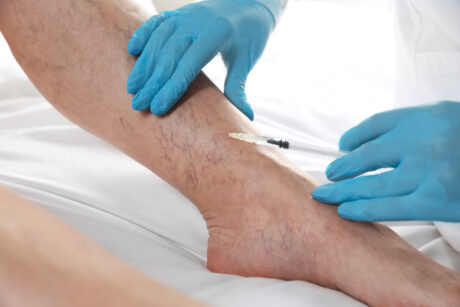
When these valves function properly, blood travels efficiently toward the heart. However, if the valves weaken or become damaged, blood can begin to pool inside the vein. This increased pressure causes the vein walls to stretch and enlarge over time. Eventually, the veins become visible beneath the skin and develop the twisted appearance commonly associated with varicose veins.
The circulatory system relies on healthy vein function to maintain proper blood flow throughout the body. When blood accumulates in the legs, symptoms such as aching, heaviness, swelling, and fatigue may occur. Although varicose veins can affect anyone, certain individuals are more susceptible due to genetic and lifestyle-related factors.
Because vein disease tends to progress gradually, many people do not notice symptoms until the condition becomes more advanced. Recognizing how veins function provides a foundation for understanding the many causes and risk factors associated with varicose veins.
Genetics and Family History
One of the most significant risk factors for developing varicose veins is genetics. If one or both parents have experienced vein disease, their children are more likely to develop similar issues later in life. Family history influences the strength of vein walls and valves, making some individuals naturally more susceptible to circulation problems.
Inherited traits can affect how effectively veins handle blood flow over time. Some people are born with vein valves that are more prone to weakening, while others may inherit connective tissue characteristics that reduce vein elasticity. As these inherited factors interact with everyday lifestyle habits, the likelihood of developing varicose veins increases.
Research consistently shows that individuals with a family history of vein disease face a significantly higher risk than those without genetic predisposition. While genetics cannot be changed, understanding family history can encourage early monitoring and preventive care.
Adults who know that close relatives have experienced vein problems should pay attention to symptoms such as leg discomfort, swelling, or visible veins. Early evaluation can help identify issues before they become severe. Although genetics may increase susceptibility, healthy lifestyle choices can still play an important role in supporting long-term vein health and reducing symptom progression.
Aging and Natural Changes in Vein Health
Aging is another major contributor to the development of varicose veins. As people grow older, the structures within their veins naturally experience wear and tear. Vein walls may become less elastic, and the valves responsible for directing blood flow can gradually weaken.
These age-related changes make it more difficult for blood to move efficiently back to the heart. When blood begins to collect inside the veins, pressure increases and causes the veins to enlarge. Over time, this process can lead to the formation of visible varicose veins and associated symptoms.
Many adults begin noticing vein-related concerns during middle age or later. However, aging alone does not guarantee that someone will develop varicose veins. The condition often results from a combination of age-related changes and other risk factors such as genetics, occupation, and lifestyle habits.
Because aging affects circulation gradually, symptoms may start subtly. Individuals may experience leg fatigue, mild swelling, or discomfort after prolonged standing. Recognizing these signs early can encourage timely evaluation and treatment when necessary.
While aging is unavoidable, maintaining an active lifestyle, managing weight, and supporting overall vascular health may help reduce the impact of age-related vein changes and promote better circulation throughout the years.
Prolonged Standing and Occupational Risks
Many adults spend a significant portion of their workday standing or sitting for extended periods. Occupations such as healthcare, teaching, retail, hospitality, and manufacturing often require prolonged standing, which can increase pressure within the leg veins.
When a person remains stationary for long periods, the calf muscles are less effective at assisting blood flow back toward the heart. As a result, blood may pool in the lower extremities. Over time, this additional pressure can strain vein valves and contribute to the development of varicose veins.
This factor is particularly relevant for Varicose Veins in Chicago, where many residents work in industries that demand long hours on their feet. Repeated exposure to increased venous pressure can gradually weaken vein structures and lead to chronic symptoms.
Individuals who stand for extended periods may notice aching, heaviness, swelling, or visible veins by the end of the day. Taking regular movement breaks, stretching, and elevating the legs when possible can help support circulation and reduce strain on the veins.
Excess Weight and Increased Vein Pressure
Carrying excess body weight places additional pressure on the circulatory system. The veins in the legs must work harder to return blood to the heart, increasing the likelihood of valve dysfunction and vein enlargement.
When excess weight is present, pressure inside the veins rises, making it more difficult for blood to circulate efficiently. This increased strain can gradually damage vein valves and contribute to chronic venous insufficiency, a condition closely associated with varicose veins.
Weight-related vein problems often develop slowly and may worsen if lifestyle habits remain unchanged. Symptoms can include swelling, discomfort, leg fatigue, and visible vein enlargement. In some cases, untreated vein disease may progress and affect overall mobility and quality of life.
Maintaining a healthy weight supports not only vein health but also cardiovascular wellness. Regular physical activity helps strengthen the calf muscles, which act as a natural pump that assists blood circulation. Combined with balanced nutrition, these habits can reduce unnecessary stress on the veins.
Hormonal Changes and Their Impact on Veins
Hormonal fluctuations can influence vein function and contribute to the development of varicose veins. Hormones such as estrogen and progesterone can affect the strength and elasticity of vein walls, making veins more susceptible to stretching and valve dysfunction.
Women often experience hormonal changes during pregnancy, menopause, and certain stages of the menstrual cycle. These changes can increase blood volume and place additional pressure on the veins, especially in the lower extremities. Pregnancy is a particularly common period for vein-related symptoms due to increased circulation demands and pressure from the growing uterus.
Hormonal influences may also explain why women are more likely than men to develop varicose veins. While not every hormonal change leads to vein disease, repeated fluctuations over time can contribute to weakened vein structures.
Lack of Physical Activity
Regular movement plays a crucial role in supporting healthy circulation. Physical activity strengthens the muscles in the legs, which help push blood upward toward the heart. When activity levels are low, circulation may become less efficient, increasing the risk of blood pooling in the veins.
Sedentary lifestyles have become increasingly common due to desk-based jobs and modern conveniences. Long periods of inactivity can contribute to increased venous pressure and gradual valve dysfunction. Over time, this may lead to the formation of varicose veins and related symptoms.
Walking, cycling, swimming, and other low-impact exercises can improve circulation and support vein health. These activities encourage muscle contractions that assist blood flow and reduce stagnation in the lower extremities.
Conclusion
Varicose veins develop due to a combination of factors, including genetics, aging, prolonged standing, excess weight, hormonal changes, and reduced physical activity. Understanding these causes can help adults recognize their personal risk factors and take proactive steps to support healthy circulation. Early awareness is especially important because untreated vein issues may progress over time and affect both comfort and overall vascular health.
For individuals experiencing symptoms associated with Varicose Veins in Chicago, seeking professional evaluation can provide valuable insight and personalized treatment recommendations. The experienced team at Charming Skin Vein Clinics is dedicated to helping patients improve vein health and restore confidence. If you have concerns about varicose veins or would like to learn more about available treatment options in Chicago, contact Charming Skin Vein Clinics today at +1 630-974-1400 to schedule a consultation.