
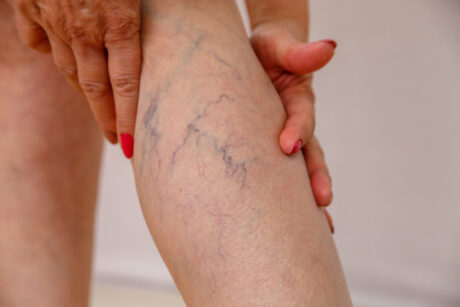
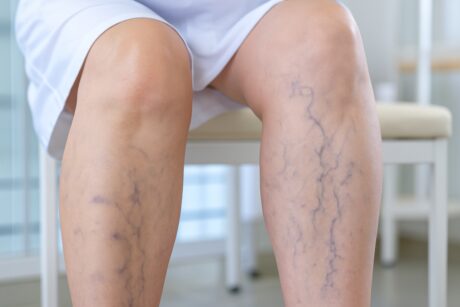
Varicose veins are enlarged, twisted veins that commonly appear on the legs and feet. While they are often considered a cosmetic concern, they can also cause discomfort, pain, swelling, and other complications if left untreated. Many people seek treatment because varicose veins affect both their appearance and overall quality of life. Understanding the available treatment options is essential for making informed healthcare decisions.
Today, advancements in medical technology have made treating varicose veins safer, more effective, and less invasive than ever before. The best treatment depends on several factors, including the severity of the condition, symptoms, overall health, and personal preferences. This guide explores the most common treatment options, their benefits, and what patients can expect when seeking professional care.
Understanding What Causes Varicose Veins
Before choosing a treatment, it is important to understand why varicose veins develop. Veins contain tiny valves that help blood flow toward the heart. When these valves weaken or become damaged, blood can pool inside the veins rather than moving efficiently through the circulatory system. This increased pressure causes veins to enlarge and become visible beneath the skin.
Several factors increase the likelihood of developing varicose veins. Age is one of the most common contributors because vein walls naturally weaken over time. Genetics also play a significant role, making individuals with a family history more susceptible to the condition.
Lifestyle factors such as prolonged standing, obesity, and lack of physical activity can place additional strain on the veins. Hormonal changes during pregnancy or menopause may also contribute to vein enlargement. By understanding the underlying causes, patients can work with healthcare providers to identify the most effective treatment and prevent future issues from developing.
Recognizing the Symptoms of Varicose Veins
Symptoms of varicose veins vary widely among individuals. Some people experience only cosmetic concerns, while others deal with chronic discomfort that interferes with daily activities. Visible blue or purple veins are often the first sign that prompts patients to seek medical attention.
Many individuals report aching, heaviness, burning sensations, or cramping in their legs. These symptoms often worsen after long periods of standing or sitting and may improve when the legs are elevated. Swelling around the ankles is another common complaint.
In more advanced cases, skin discoloration, inflammation, and even ulcers can occur. These complications indicate that the condition has progressed and requires professional evaluation. Recognizing symptoms early allows patients to pursue treatment before more serious problems develop, leading to better outcomes and improved comfort.
When Lifestyle Changes Can Help
For individuals with mild symptoms, lifestyle modifications may provide significant relief. Although these changes do not eliminate existing vein damage, they can reduce discomfort and slow the progression of the condition.
Regular physical activity promotes healthy blood circulation throughout the legs. Walking, cycling, and swimming are especially beneficial because they encourage blood flow without placing excessive stress on the veins. Maintaining a healthy weight also reduces pressure on the lower extremities.
Elevating the legs throughout the day can help decrease swelling and improve circulation. Avoiding long periods of standing or sitting may also reduce symptoms. While lifestyle changes alone are rarely considered the best long-term solution for advanced cases, they remain an important component of comprehensive vein health management.
The Role of Compression Stockings
Compression stockings are frequently recommended as an initial treatment for varicose veins. These specially designed garments apply gentle pressure to the legs, helping veins move blood more efficiently toward the heart.
Many patients experience reduced swelling, improved circulation, and less leg fatigue when wearing compression stockings regularly. They are available in various compression levels and styles to meet individual needs. Healthcare providers can recommend the most appropriate option based on symptom severity.
Although compression therapy can effectively manage symptoms, it does not remove damaged veins. For this reason, patients with moderate to severe symptoms often explore additional treatment options. Compression stockings are commonly used alongside medical procedures to support recovery and maintain healthy circulation following treatment.
Sclerotherapy for Smaller Veins
Sclerotherapy is one of the most commonly performed treatments for smaller varicose and spider veins. During the procedure, a specialized solution is injected directly into the affected vein, causing it to collapse and gradually fade from view.
The treatment is minimally invasive and typically performed in an outpatient setting. Most patients can return to their normal activities shortly after the procedure. Multiple sessions may be necessary depending on the number and size of the veins being treated.
Sclerotherapy offers both cosmetic and medical benefits. Patients often notice improved appearance along with relief from symptoms such as aching and swelling. Because it requires no major incisions or lengthy recovery period, it remains a popular option for individuals seeking effective treatment for less severe vein issues.
Endovenous Laser Treatment Explained
Endovenous laser treatment, commonly known as EVLT, has become one of the leading solutions for treating larger varicose veins. This minimally invasive procedure uses laser energy to seal damaged veins from the inside.
During the treatment, a thin laser fiber is inserted into the affected vein through a small incision. Controlled heat causes the vein walls to collapse and eventually be absorbed by the body. Blood naturally reroutes through healthier veins.
Patients often appreciate EVLT because it can be performed under local anesthesia with minimal downtime. Compared to traditional surgical approaches, the procedure typically results in less discomfort and faster recovery. For many individuals, laser therapy provides a highly effective long-term solution that significantly improves both symptoms and appearance.
Radiofrequency Ablation as a Modern Solution
Radiofrequency ablation is another advanced treatment that has gained popularity among vein specialists. Similar to laser treatment, it uses thermal energy to close diseased veins and restore healthy blood flow.
The procedure involves inserting a catheter into the affected vein. Radiofrequency energy gently heats the vein walls, causing them to collapse and seal shut. Over time, the treated vein is absorbed by the body while circulation improves through healthier vessels.
Many patients report minimal discomfort during and after treatment. Recovery is generally quick, allowing individuals to resume normal activities within a short period. Because of its effectiveness and patient-friendly recovery process, radiofrequency ablation is often considered one of the best treatment options for moderate to severe vein disease.
When Surgical Treatment May Be Necessary
Although minimally invasive procedures have become the standard of care, surgery may still be recommended in certain situations. Patients with extensive vein damage or complications may benefit from surgical intervention when other treatments are not suitable.
Traditional vein stripping involves removing the damaged vein through small incisions. Advances in surgical techniques have improved outcomes and reduced recovery times compared to older methods. However, surgery generally requires more downtime than minimally invasive alternatives.
A vein specialist can determine whether surgical treatment is appropriate based on diagnostic imaging and symptom severity. While surgery is less common today, it remains an effective option for select patients with advanced venous disease who require comprehensive treatment.
Choosing the Best Treatment for Your Needs
Selecting the right treatment requires a personalized approach. No single option is ideal for every patient because the severity of vein disease and individual health factors vary significantly.
A thorough evaluation often includes a physical examination and ultrasound imaging to assess blood flow and identify damaged veins. Based on these findings, a vein specialist can recommend the most appropriate treatment plan.
Many patients benefit from minimally invasive procedures because they offer excellent results with little downtime. Others may require a combination of treatments to achieve optimal outcomes. Working closely with an experienced provider ensures that patients receive care tailored to their unique needs and long-term health goals.
Recovery and Long-Term Results
Recovery experiences vary depending on the chosen treatment method. Fortunately, most modern vein procedures involve minimal disruption to daily life. Patients are often encouraged to walk immediately after treatment to promote healthy circulation and support healing.
Compression stockings may be recommended during recovery to reduce swelling and enhance treatment results. Following all post-procedure instructions is essential for achieving the best possible outcome.
Long-term success also depends on maintaining healthy lifestyle habits. Regular exercise, weight management, and avoiding prolonged periods of inactivity can help protect vein health. With proper care, many patients enjoy lasting relief from symptoms and significant improvements in both appearance and overall comfort.
Conclusion
Determining the best treatment option for varicose veins depends on the severity of the condition, the symptoms experienced, and the patient’s overall health. While lifestyle changes and compression stockings can provide relief for mild cases, advanced treatments such as sclerotherapy, endovenous laser therapy, and radiofrequency ablation offer highly effective solutions for many patients. Early evaluation and treatment can help prevent complications and improve quality of life.
If you are experiencing symptoms related to varicose veins, professional guidance is essential. The experienced team at Charming Skin Vein Clinics proudly serves patients throughout Oak Brook with personalized vein care solutions. To learn more about your treatment options or schedule a consultation, contact Charming Skin Vein Clinics today at 630-974-2400 and take the first step toward healthier, more comfortable legs.