
Varicose veins are a common vascular condition that affects millions of people worldwide. These enlarged, twisted veins often appear on the legs and feet, but they can develop in other areas of the body as well. While many people view them as a cosmetic concern, varicose veins can sometimes indicate underlying circulation problems that deserve medical attention.
Recognizing the early warning signs of varicose veins is important because timely intervention may help prevent discomfort and more serious complications. Symptoms often begin subtly and may be mistaken for ordinary fatigue or muscle strain. Understanding what to look for can help you seek appropriate care before the condition progresses. In this article, we’ll explore the earliest indicators of varicose veins, risk factors, and when it may be time to consult a vein specialist.
Understanding Varicose Veins
Varicose veins develop when the valves inside the veins become weakened or damaged. These valves normally help blood flow back toward the heart. When they fail to function properly, blood can pool within the veins, causing them to enlarge and become visible beneath the skin.
The condition most commonly affects the legs because these veins must work against gravity to return blood upward. Increased pressure within the veins gradually causes them to stretch and twist. Although anyone can develop varicose veins, they are more prevalent among older adults, women, and individuals with a family history of vein disease.
Many people first notice cosmetic changes, but the condition often begins long before visible veins appear. Understanding how varicose veins develop can help individuals identify early symptoms and seek treatment before complications arise.
Leg Heaviness and Fatigue
One of the earliest and most overlooked signs of developing vein disease is a persistent feeling of heaviness in the legs. Many individuals describe their legs as feeling tired, sluggish, or weighed down, especially after standing or sitting for long periods.
This sensation occurs because blood is not circulating efficiently through the affected veins. As blood pools in the lower extremities, pressure increases and muscles receive less effective circulation. The result is a feeling of fatigue that often worsens throughout the day.
People who spend extended hours on their feet may assume this symptom is a normal consequence of work. However, when heaviness becomes frequent or is accompanied by other symptoms, it may indicate the early stages of vein dysfunction. Paying attention to this symptom can help identify vascular issues before visible vein changes occur.
Aching, Throbbing, and Discomfort
Mild discomfort in the legs is another common early warning sign. Individuals may experience aching, throbbing, or a dull pain that develops gradually over time. The discomfort is often more noticeable after prolonged standing or physical activity.
As blood accumulates within weakened veins, increased pressure can irritate surrounding tissues and nerves. This creates a persistent aching sensation that may interfere with daily activities. Some individuals also report relief when elevating their legs or resting.
Although occasional leg pain can result from many causes, recurring discomfort should not be ignored. Persistent aching may indicate underlying vein problems that could worsen if left untreated. Early evaluation can help determine whether vein disease is contributing to these symptoms.
Swelling Around the Ankles and Lower Legs
Swelling is often one of the first physical signs that circulation is becoming impaired. It typically begins around the ankles and lower legs and may worsen throughout the day. In the early stages, swelling may be mild and intermittent.
The accumulation of blood within affected veins increases pressure in nearby tissues, causing fluid to leak into surrounding areas. This fluid retention creates visible puffiness and a feeling of tightness in the legs.
Many people notice that swelling improves overnight or after elevating their legs. While temporary swelling can occur for various reasons, recurring edema should be evaluated by a healthcare professional. Identifying the cause early can help prevent more advanced venous disease.
Visible Vein Changes Beneath the Skin
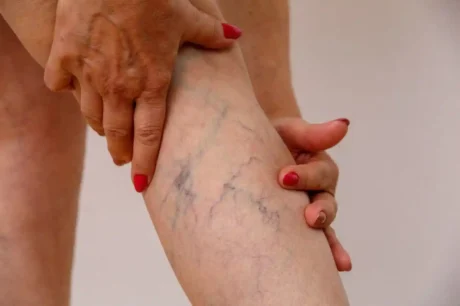
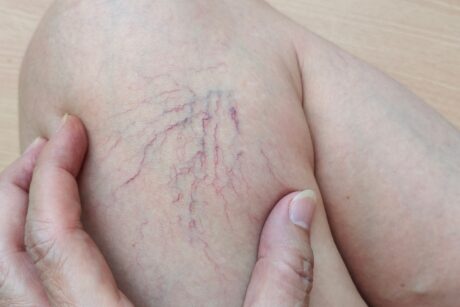
Not all vein-related symptoms are painful. Some individuals first notice subtle visual changes beneath the skin. Small blue, purple, or enlarged veins may begin appearing on the legs before larger varicose veins develop.
These changes often indicate increased pressure within the venous system. Veins may become more noticeable, particularly after standing for extended periods. Over time, the veins can become twisted, raised, and increasingly visible.
Monitoring changes in vein appearance is important because visible signs often indicate an underlying circulatory issue. Early treatment can help slow progression and improve both vascular health and cosmetic appearance.
Itching and Skin Irritation
Skin irritation around affected veins is another symptom that may appear during the early stages of vein disease. Individuals often experience itching, burning, or mild irritation near areas where veins are becoming enlarged.
Poor circulation can affect the skin’s ability to receive adequate oxygen and nutrients. As a result, inflammation may develop, leading to discomfort and visible redness. Some people mistake these symptoms for dry skin or allergic reactions.
Persistent itching near visible veins should not be ignored. Addressing circulation problems early may help prevent more severe skin complications associated with advanced vein disease.
Nighttime Leg Cramps and Restlessness
Many people with developing vein issues report experiencing leg cramps during the night. These cramps can be painful and disruptive, often waking individuals from sleep. Restless legs and an uncontrollable urge to move the legs are also common complaints.
Reduced circulation and increased venous pressure may contribute to muscle discomfort during periods of inactivity. Symptoms often become more noticeable in the evening after a full day of standing or sitting.
Frequent nighttime cramps can significantly affect sleep quality and overall well-being. When combined with other symptoms, they may indicate underlying vein dysfunction that warrants medical evaluation.
Risk Factors That Increase the Likelihood of Varicose Veins
Several factors can increase a person’s risk of developing varicose veins. Age is one of the most significant contributors because vein valves naturally weaken over time. Genetics also play an important role, making family history a major risk factor.
Hormonal changes associated with pregnancy, menopause, and certain medications may increase susceptibility. Excess body weight places additional pressure on leg veins, while occupations requiring prolonged standing or sitting can contribute to poor circulation.
Understanding these risk factors can help individuals recognize their vulnerability and take preventive measures. Lifestyle modifications and early intervention can often reduce the progression of vein disease.
When to Seek Professional Treatment
While mild symptoms may seem manageable, professional evaluation is important when symptoms become persistent or begin affecting daily life. Early diagnosis allows healthcare providers to identify circulation problems before complications develop.
Signs that warrant medical attention include recurring swelling, persistent pain, skin changes, visible vein enlargement, and frequent nighttime cramps. Modern treatment options are often minimally invasive and highly effective.
Seeking care early can improve comfort, reduce the risk of complications, and enhance overall vascular health. A qualified vein specialist can recommend personalized treatment options based on the severity of the condition.
Conclusion
Recognizing the early warning signs of varicose veins can make a significant difference in maintaining healthy circulation and preventing more serious complications. Symptoms such as leg heaviness, aching, swelling, visible vein changes, itching, and nighttime cramps should not be dismissed as normal signs of aging or fatigue. Early detection allows for timely intervention and improved treatment outcomes.
If you are experiencing symptoms of varicose veins, the experienced team at Charming Skin Vein Clinics is here to help. Serving patients throughout Oak Brook, they provide comprehensive vein evaluations and advanced treatment options tailored to your needs. For more information or to schedule a consultation, contact Charming Skin Vein Clinics today at 630-974-2400 and take the first step toward healthier, more comfortable legs.