
Many people wonder whether varicose veins will disappear on their own or if professional care is necessary. While some symptoms may seem mild at first, untreated vein problems often become more noticeable over time. Spider veins and larger varicose veins are common conditions that affect millions of adults, causing discomfort, swelling, aching, and cosmetic concerns. Knowing when to seek help from a varicose veins doctor or an experienced veins specialist can make a significant difference in preventing complications and improving your quality of life.
Understanding how vein disease develops is the first step toward protecting your vascular health. This guide explains whether varicose veins can go away without treatment, what happens if they’re left untreated, and the treatment options available to help restore healthy circulation.
What Are Varicose Veins?
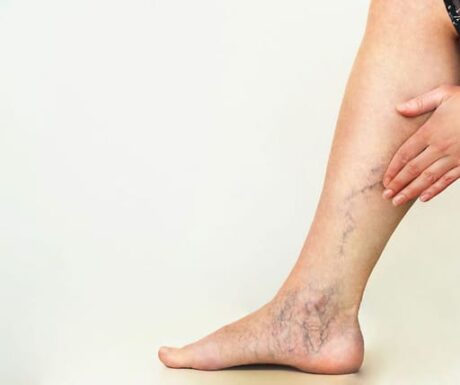
Varicose veins are enlarged, twisted veins that commonly appear on the legs and feet. They develop when the valves inside the veins become weak or damaged, allowing blood to pool instead of flowing efficiently back toward the heart. This increased pressure causes the veins to stretch, bulge, and become visible beneath the skin.
Unlike healthy veins, varicose veins cannot function properly once the valves have been damaged. Although they may seem like only a cosmetic issue, many people experience aching, heaviness, throbbing, itching, or swelling that worsens throughout the day.
A veins specialist can determine the severity of the condition through a physical examination and ultrasound imaging. Early diagnosis is important because untreated vein disease may gradually progress over time. While lifestyle changes may temporarily relieve symptoms, they cannot repair damaged vein valves.
Many patients delay visiting a varicose veins doctor because they hope the veins will disappear naturally. Unfortunately, the underlying structural damage remains unless treated. Seeking professional evaluation early often results in simpler treatment options and better long-term outcomes.
Do Varicose Veins Disappear Naturally?
The simple answer is no. Once varicose veins develop, they rarely disappear without medical treatment. Because the vein valves have already weakened or failed, the veins cannot return to their normal function on their own.
Some people notice that symptoms improve after resting, elevating their legs, or wearing compression stockings. While these measures help reduce swelling and discomfort, they do not eliminate the damaged veins.
Hormonal changes, pregnancy, prolonged standing, aging, and genetics can all contribute to vein disease. Even if symptoms temporarily improve, the underlying condition usually remains and may gradually worsen over time.
A qualified varicose veins doctor can identify whether your symptoms are caused by superficial veins or deeper circulation problems. Modern treatments offered by a veins specialist are minimally invasive and designed to close damaged veins while allowing healthy veins to take over normal blood flow.
Waiting too long often allows symptoms to progress, making treatment more extensive than it might have been if addressed earlier.
Why Do Varicose Veins Continue to Get Worse?
Varicose veins are considered a progressive vascular condition. Without treatment, the damaged vein valves continue allowing blood to pool, increasing pressure inside the veins. Over time, this causes the veins to enlarge further and symptoms to become more severe.
Many patients first notice mild cosmetic concerns before developing aching, burning sensations, leg fatigue, nighttime cramps, or swelling around the ankles. As circulation worsens, skin changes may also occur.
Because the underlying valve damage cannot heal naturally, the condition generally progresses unless treated by a veins specialist. Lifestyle improvements such as maintaining a healthy weight, exercising regularly, and avoiding prolonged standing can slow progression but cannot reverse existing vein damage.
Consulting a varicose veins doctor allows for early intervention before more serious complications develop. Today’s minimally invasive procedures are often completed in less than an hour with little downtime, making treatment easier than many people expect.
Are Spider Veins Different from Varicose Veins?
Although they’re often mentioned together, spider veins and varicose veins are not exactly the same. Spider veins are smaller, thin red, blue, or purple blood vessels that appear close to the skin’s surface. Varicose veins are larger, swollen veins that protrude beneath the skin.
Spider veins typically cause fewer physical symptoms, although some individuals experience burning, itching, or mild discomfort. Varicose veins are more likely to produce pain, swelling, heaviness, and circulation problems.
Both conditions result from weakened blood vessels or increased pressure within the veins. A veins specialist can evaluate whether spider veins are simply cosmetic or an indication of underlying venous insufficiency.
Even if spider veins seem harmless, they sometimes develop alongside deeper vein disease. A thorough evaluation by a varicose veins doctor ensures the proper treatment plan addresses both cosmetic concerns and vascular health.
Modern treatments can effectively reduce the appearance of both spider veins and varicose veins while improving circulation.
What Happens If Varicose Veins Are Left Untreated?
Ignoring varicose veins may allow symptoms to become increasingly uncomfortable. While some individuals experience only cosmetic concerns, others develop chronic pain, swelling, skin discoloration, inflammation, or recurring leg fatigue.
As vein disease advances, circulation problems may contribute to skin thickening or venous ulcers near the ankles. In some cases, inflamed veins or superficial blood clots can develop, requiring prompt medical evaluation.
Not every patient experiences serious complications, but untreated vein disease often becomes progressively more difficult to manage. A veins specialist can identify risk factors before complications occur.
Visiting a varicose veins doctor early provides an opportunity to treat the problem before symptoms interfere with daily activities. Early treatment often improves comfort, mobility, and overall quality of life while reducing the likelihood of future complications.
How Are Varicose Veins Diagnosed?
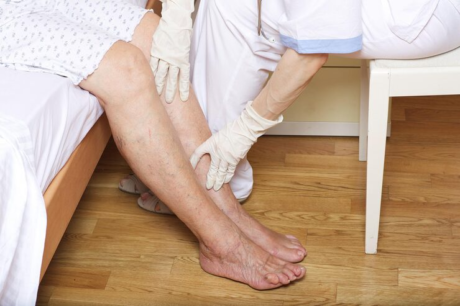
Diagnosis begins with a comprehensive medical history and physical examination. Your healthcare provider will discuss your symptoms, family history, lifestyle, and any previous circulation issues before examining the affected veins.
Most veins specialists also perform a duplex ultrasound. This painless imaging test shows how blood flows through the veins and identifies damaged valves or areas of reflux.
Ultrasound allows a varicose veins doctor to determine whether symptoms are caused by superficial veins alone or involve deeper veins requiring treatment.
Accurate diagnosis is essential because treatment recommendations vary depending on the severity of the condition. Early evaluation often identifies problems before complications develop, allowing patients to receive the most appropriate minimally invasive treatment.
The diagnostic process is typically quick, comfortable, and performed in an outpatient setting.
What Treatments Are Available?
Modern treatment options have advanced significantly over the past decade. Most procedures are performed in-office with local anesthesia and require minimal recovery time.
Common treatments include endovenous laser therapy, radiofrequency ablation, sclerotherapy for spider veins, and minimally invasive procedures that seal damaged veins. Once closed, blood naturally reroutes through healthier veins.
Your veins specialist will recommend treatment based on your symptoms, ultrasound findings, and overall health. The goal is to improve circulation, relieve discomfort, and reduce the appearance of abnormal veins.
Many patients return to normal daily activities shortly after treatment. Seeking care from an experienced varicose veins doctor ensures a personalized treatment plan that addresses both medical and cosmetic concerns while promoting long-term vascular health.
When Should You See a Veins Specialist?
You should schedule an evaluation if you experience persistent leg pain, swelling, heaviness, visible bulging veins, skin discoloration, or worsening spider veins. Even mild symptoms deserve attention if they interfere with your daily activities.
Individuals with a family history of vein disease, occupations requiring prolonged standing, pregnancy-related vein changes, or obesity may have an increased risk of developing chronic venous insufficiency.
A veins specialist can determine whether your symptoms require treatment or can be managed conservatively. Early evaluation often prevents progression and provides greater treatment options.
If you’ve been postponing a visit to a varicose veins doctor, remember that today’s procedures are highly effective, minimally invasive, and designed to improve both comfort and confidence with little interruption to your routine.
Conclusion
Varicose veins do not typically disappear without treatment because the damaged vein valves cannot repair themselves naturally. While healthy habits and compression therapy may temporarily ease discomfort, they do not eliminate the underlying problem. Seeking care from a qualified veins specialist allows for accurate diagnosis, personalized treatment, and improved long-term circulation. Whether you’re concerned about spider veins, visible varicose veins, or ongoing leg discomfort, early evaluation can help prevent the condition from worsening.
If you’re looking for trusted vein care in Chicago, contact Charming Skin Vein Clinics (Chicago). Their experienced team provides comprehensive evaluations and advanced treatment options tailored to your individual needs. Call 630-974-2400 today to schedule a consultation and take the first step toward healthier, more comfortable legs.