
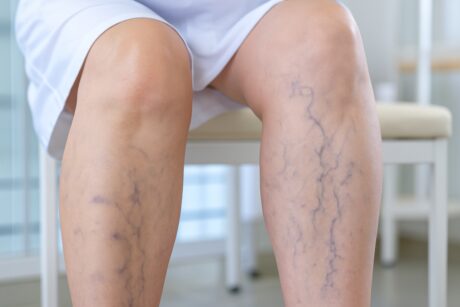
Varicose veins are enlarged, twisted veins that commonly appear on the legs and feet. Many people notice these veins as a cosmetic concern, while others experience symptoms such as aching, swelling, heaviness, or discomfort. Because they are so common, many individuals wonder whether varicose veins can disappear on their own without professional treatment.
Understanding how varicose veins develop is important when deciding how to manage them. These veins occur when the valves inside the veins weaken or become damaged, allowing blood to pool instead of flowing efficiently back to the heart. While certain lifestyle changes may help reduce symptoms and slow progression, the underlying condition often remains. In this article, we will explore whether varicose veins can go away without medical treatment, what factors influence their progression, and when professional care may be beneficial.
Understanding What Causes Varicose Veins
To determine whether varicose veins can disappear naturally, it is helpful to understand how they form. Veins contain small valves that keep blood moving toward the heart. When these valves weaken or fail, blood can flow backward and collect inside the vein. This increased pressure causes the vein walls to stretch and become enlarged.
Several factors contribute to the development of vein disease. Age is one of the most significant influences because vein valves naturally weaken over time. Genetics also play a major role, as individuals with a family history of vein problems are more likely to develop them. Hormonal changes, obesity, pregnancy, and occupations that require prolonged standing can further increase risk.
Because the condition involves structural changes within the veins, spontaneous reversal is uncommon. Once the valves have become damaged, they generally do not repair themselves. While symptoms may fluctuate and become less noticeable at times, the underlying vein dysfunction often remains present.
Understanding the root cause helps explain why treatment options frequently focus on improving circulation and addressing damaged veins rather than simply waiting for the condition to resolve naturally.
Can Varicose Veins Disappear on Their Own?
Many people hope that visible veins will fade without intervention, especially if they are not causing significant discomfort. Unfortunately, true varicose veins rarely disappear completely without treatment. Since the damaged valves inside the veins cannot usually repair themselves, the condition tends to persist.
In some cases, symptoms may temporarily improve. Swelling may decrease after elevating the legs, exercising regularly, or wearing compression stockings. Changes in daily habits can also reduce the appearance of vein bulging. However, these improvements generally manage symptoms rather than eliminate the affected veins.
Pregnancy-related vein changes offer one exception. Some women notice that enlarged veins improve after childbirth as hormonal levels return to normal and pressure on pelvic veins decreases. Even then, complete resolution is not guaranteed.
It is important to recognize that symptom improvement does not necessarily mean the condition has disappeared. Damaged veins often remain beneath the surface and may become more noticeable again over time. For individuals seeking long-term removal, professional evaluation is often necessary to determine appropriate treatment options.
Lifestyle Changes That May Improve Symptoms
Although varicose veins rarely vanish naturally, lifestyle modifications can help reduce discomfort and slow progression. Regular movement is one of the most effective ways to support healthy circulation. Walking encourages calf muscles to pump blood upward through the veins, reducing pressure in the legs.
Maintaining a healthy weight also plays an important role. Excess body weight places additional stress on veins and can worsen symptoms. Losing weight may improve circulation and reduce strain on weakened vein valves.
Leg elevation can provide temporary relief from swelling and heaviness. Raising the legs above heart level for short periods helps blood flow more efficiently back toward the heart. Many individuals notice symptom improvement after incorporating this habit into their daily routine.
Avoiding prolonged sitting or standing is equally beneficial. Frequent movement prevents blood from pooling in the lower extremities. While these lifestyle adjustments may not remove existing veins, they often improve overall comfort and help individuals manage symptoms more effectively.
The Role of Compression Stockings
Compression stockings are commonly recommended for people dealing with vein-related symptoms. These specially designed garments apply gentle pressure to the legs, helping veins move blood more efficiently toward the heart.
Many individuals experience reduced swelling, aching, and fatigue when wearing compression stockings consistently. The added support can improve circulation throughout the day, especially for people who spend long hours standing or sitting.
However, compression therapy does not eliminate damaged veins. Once the stockings are removed, the underlying vein structure remains unchanged. The primary goal is symptom management rather than permanent correction.
Doctors often recommend compression stockings as a conservative treatment option before considering medical procedures. They may also be used alongside other therapies to improve overall outcomes. While compression can significantly improve comfort and daily function, patients should understand that it is generally not a cure for existing varicose veins.
When Varicose Veins Become More Than a Cosmetic Issue
Some people view vein problems primarily as a cosmetic concern, but the condition can sometimes progress beyond appearance alone. As circulation becomes less efficient, symptoms may increase in severity.
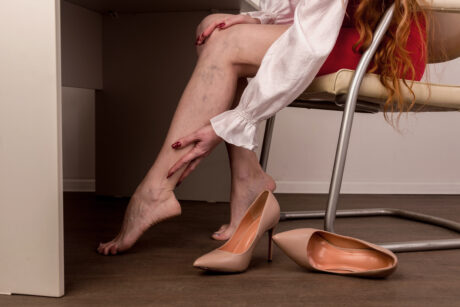
Individuals may experience persistent leg pain, throbbing, heaviness, or swelling. Skin changes can also develop around the ankles and lower legs. Over time, the skin may become discolored, dry, or irritated due to chronic venous insufficiency.
In advanced cases, open sores known as venous ulcers can form. These wounds may be difficult to heal and often require specialized medical care. Blood clots and inflammation within superficial veins can also occur in some patients.
Recognizing these warning signs is important because early intervention may prevent complications. Anyone experiencing worsening symptoms or skin changes should seek professional evaluation rather than relying solely on home remedies.
Factors That Influence Disease Progression
The progression of vein disease varies significantly from person to person. Some individuals experience mild symptoms for years, while others notice steady worsening over a relatively short period.
Genetics remains one of the strongest predictors. People with close relatives who have vein disease often face a higher likelihood of progression. Age, pregnancy, hormonal changes, and obesity can also accelerate vein deterioration.
Lifestyle habits contribute as well. Occupations involving prolonged standing or sitting may increase pressure within leg veins. Lack of physical activity can further impair circulation and contribute to symptom development.
Because multiple factors influence progression, predicting outcomes can be difficult. Some patients maintain stable symptoms for long periods, while others require treatment sooner than expected. Understanding personal risk factors can help individuals take proactive steps to protect their vascular health and monitor changes over time.
Modern Treatment Options for Varicose Veins
When conservative measures fail to provide adequate relief, several highly effective treatment options are available. Advances in vein medicine have made treatment safer, faster, and less invasive than ever before.
Endovenous laser therapy and radiofrequency ablation use heat to close malfunctioning veins. Once treated, blood is naturally redirected to healthier veins with functioning valves. These procedures typically require minimal downtime and can often be performed in an outpatient setting.
Sclerotherapy is another common treatment. During this procedure, a specialized solution is injected into affected veins, causing them to collapse and gradually fade from view. It is particularly useful for smaller varicose veins and spider veins.
Modern treatments focus on addressing the source of the problem rather than simply masking symptoms. As a result, many patients experience significant improvements in both appearance and comfort following treatment.
When Should You Seek Professional Evaluation?
Not every visible vein requires immediate treatment, but certain situations warrant professional assessment. Persistent pain, swelling, heaviness, or skin discoloration should not be ignored.
Individuals who notice worsening symptoms despite lifestyle changes may benefit from a vascular evaluation. Diagnostic ultrasound can help identify underlying valve dysfunction and determine the extent of vein disease. This information allows providers to recommend the most appropriate treatment plan.
Seeking care early can help prevent complications and improve quality of life. Even patients primarily concerned about appearance may find reassurance in understanding their condition and available options.
A consultation also provides an opportunity to discuss symptom management, treatment expectations, and long-term vein health strategies. Early evaluation often leads to better outcomes and greater peace of mind.
Conclusion
While varicose veins may occasionally appear less noticeable with lifestyle changes, they rarely disappear completely without medical treatment. Because the condition results from damaged vein valves, the underlying problem typically remains even when symptoms improve. Healthy habits, exercise, leg elevation, and compression stockings can help manage discomfort and slow progression, but they do not reverse existing vein damage.
If you are experiencing persistent symptoms or concerns about your vein health, professional evaluation can help determine the best course of action. The experienced team at Charming Skin Vein Clinics in Oak Brook provides comprehensive vein assessments and advanced treatment options designed to improve both comfort and appearance. To learn more about your treatment options or schedule a consultation, contact Charming Skin Vein Clinics today at 630-974-2400.