
Spider Veins are one of the most common vein conditions, affecting millions of adults worldwide. While they are often viewed as a cosmetic concern, many people wonder whether these visible veins could indicate a more serious health issue. Understanding the connection between Spider Veins, Varicose Veins, and overall vein health is essential for knowing when to seek professional care. A qualified Veins Specialist or Varicose Veins Doctor can determine whether your symptoms are harmless or related to an underlying circulation problem.
Although many cases of spider veins do not pose significant health risks, they can sometimes be an early warning sign of venous disease. Recognizing the symptoms, understanding the causes, and seeking timely evaluation can help prevent more serious complications. This guide explains when spider veins are simply cosmetic and when they deserve medical attention.
What Are Spider Veins?
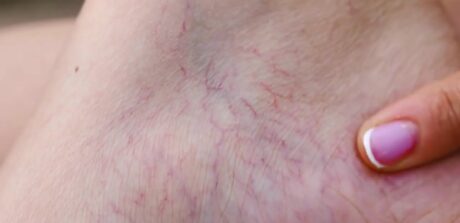
Spider veins are small, damaged blood vessels that appear close to the surface of the skin. They usually look like thin red, blue, or purple lines that resemble a spider’s web or tree branches. These veins most commonly develop on the legs and face, although they can appear almost anywhere on the body.
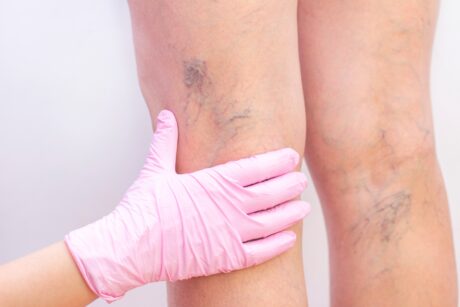
Unlike larger Varicose Veins, spider veins generally do not bulge above the skin. They are often painless, but some people experience itching, burning, or mild discomfort around the affected area. Their appearance may gradually increase over time, especially without lifestyle changes or treatment.
Spider veins develop when tiny valves inside the veins weaken or become damaged. Instead of efficiently moving blood back toward the heart, blood begins to pool within the small veins, causing them to expand and become visible beneath the skin.
Several factors contribute to their development, including aging, prolonged standing, hormonal changes, pregnancy, genetics, obesity, and limited physical activity. Although anyone can develop spider veins, they become increasingly common with age.
Many people seek treatment primarily for cosmetic reasons, but an evaluation by a Veins Specialist can determine whether these veins are isolated surface changes or part of a larger vein disorder that requires medical care.
Are Spider Veins Always a Cosmetic Issue?
For many individuals, spider veins remain strictly a cosmetic concern. They often develop gradually without causing pain or interfering with daily activities. In these situations, treatment is usually elective and focuses on improving appearance rather than addressing medical problems.
However, appearance alone does not always tell the full story. Some patients with spider veins also experience aching, heaviness, fatigue, swelling, or nighttime leg cramps. These symptoms may suggest that deeper veins are not functioning properly.
Spider veins can occasionally develop alongside Varicose Veins, indicating early chronic venous insufficiency. This condition occurs when blood has difficulty returning to the heart because vein valves no longer close effectively.
Even if symptoms are mild, they should not be ignored. A comprehensive vein evaluation helps determine whether visible spider veins are isolated surface veins or signs of underlying vein disease.
A qualified Varicose Veins Doctor can use specialized imaging, such as duplex ultrasound, to evaluate circulation beneath the skin. Early diagnosis allows treatment before symptoms worsen or complications develop.
Understanding the difference between cosmetic spider veins and medically significant vein disease helps patients make informed decisions about their long-term vascular health.
What Causes Spider Veins to Develop?
Spider veins develop because of increased pressure inside the small blood vessels. When tiny vein valves weaken or fail, blood collects within the veins rather than flowing efficiently upward toward the heart.
Genetics remain one of the strongest risk factors. Individuals with close family members who have vein disease are more likely to develop spider veins themselves.
Hormonal fluctuations also play a significant role. Pregnancy, menopause, and hormone therapy can affect vein walls and valve function, making women more susceptible than men.
Lifestyle factors contribute as well. Standing or sitting for extended periods increases pressure within leg veins. Occupations involving long hours on the feet may accelerate the development of visible veins.
Excess body weight places additional stress on the circulatory system, while limited physical activity reduces the effectiveness of the calf muscles that normally help pump blood upward.
Age naturally weakens vein walls over time, making both spider veins and Varicose Veins increasingly common among older adults.
Although these causes are common, every patient is unique. A Veins Specialist evaluates multiple contributing factors to recommend individualized treatment and prevention strategies.
When Can Spider Veins Signal a More Serious Problem?
Spider veins become more concerning when accompanied by symptoms suggesting poor circulation. Persistent leg pain, heaviness, swelling, itching, burning sensations, or skin discoloration may indicate underlying venous disease.
These symptoms often result from chronic venous insufficiency, where damaged valves allow blood to pool inside larger veins. Over time, increased pressure affects both deep and superficial veins.
Patients may initially notice only small spider veins before larger Varicose Veins become visible. Early intervention can prevent progressive vein damage and reduce future complications.
Ignoring persistent symptoms may eventually contribute to skin thickening, slow-healing wounds, bleeding veins, or venous ulcers in severe cases.
Fortunately, serious complications are relatively uncommon when patients receive timely evaluation. A Varicose Veins Doctor can determine whether additional testing is necessary and recommend appropriate treatment.
Anyone experiencing worsening symptoms should not assume spider veins are purely cosmetic. Professional assessment provides reassurance when no serious disease exists while identifying conditions that benefit from early treatment.
How Are Spider Veins Diagnosed?
Diagnosis begins with a detailed medical history and physical examination. A Veins Specialist asks about symptoms, family history, previous pregnancies, occupation, activity level, and other risk factors that influence vein health.
During the examination, visible spider veins, skin changes, swelling, and larger varicose veins are carefully evaluated. The pattern and location of affected veins often provide valuable clues about underlying circulation.
When symptoms suggest deeper vein involvement, duplex ultrasound is commonly recommended. This painless imaging test uses sound waves to visualize blood flow and assess valve function throughout the leg veins.
Ultrasound helps identify venous reflux, blood clots, or hidden vein disease that cannot be seen during a physical examination alone.
Accurate diagnosis allows physicians to distinguish cosmetic spider veins from medical conditions requiring treatment. It also helps guide personalized recommendations based on each patient’s symptoms and overall vein health.
Early evaluation often simplifies treatment by identifying vein problems before they progress into more advanced stages.
What Treatment Options Are Available?
Treatment depends on whether spider veins are cosmetic, symptomatic, or associated with underlying venous disease. Fortunately, modern vein care offers several minimally invasive solutions with little downtime.
Sclerotherapy remains one of the most common treatments for spider veins. During this procedure, a specialized solution is injected into affected veins, causing them to collapse and gradually fade over time.
Laser therapy provides another option, particularly for smaller spider veins on the face or legs. Laser energy safely targets damaged vessels without requiring injections.
When underlying Varicose Veins contribute to spider vein formation, additional treatments may be recommended. Procedures such as endovenous laser therapy, radiofrequency ablation, or other minimally invasive techniques address the larger diseased veins responsible for increased pressure.
Compression stockings may also reduce symptoms by improving circulation, especially when combined with exercise, weight management, and avoiding prolonged standing.
A qualified Varicose Veins Doctor develops a customized treatment plan based on vein anatomy, symptoms, and individual health goals.
Can Spider Veins Be Prevented?
Although spider veins cannot always be prevented, healthy lifestyle habits can significantly reduce the risk of developing new veins and slow disease progression.
Regular physical activity strengthens calf muscles, which help pump blood back toward the heart. Walking remains one of the simplest and most effective exercises for promoting healthy circulation.
Maintaining a healthy weight reduces pressure on leg veins and lowers the workload placed on the circulatory system.
Avoiding prolonged sitting or standing also helps minimize blood pooling. Taking short walking breaks, stretching, or changing positions throughout the day improves circulation.
Elevating the legs whenever possible encourages blood flow back toward the heart and may reduce swelling after long periods of standing.
Compression stockings may benefit individuals with higher risk factors, including pregnancy, occupations requiring prolonged standing, or a family history of vein disease.
Regular evaluations by a Veins Specialist become increasingly valuable for patients with recurring spider veins or developing Varicose Veins, allowing early intervention before symptoms become more severe.
When Should You See a Varicose Veins Doctor?
Many people delay treatment because they believe spider veins are simply part of aging. While this is often true, persistent symptoms should never be ignored.
You should schedule an evaluation if spider veins become painful, rapidly increase in number, are accompanied by swelling, skin discoloration, heaviness, or visible Varicose Veins.
Bleeding veins, skin ulcers, sudden swelling, or significant leg pain require prompt medical evaluation to rule out more serious vascular conditions.
Even without severe symptoms, patients seeking cosmetic improvement can benefit from consultation with a Varicose Veins Doctor. Early treatment often produces better long-term outcomes while preventing progression of vein disease.
Professional evaluation provides peace of mind by confirming whether treatment is medically necessary or primarily cosmetic. Individualized care ensures patients receive appropriate recommendations based on their unique vein health.
Conclusion
Spider veins are often harmless and cosmetic, but they can sometimes be an early sign of underlying vein disease, particularly when accompanied by symptoms such as aching, swelling, heaviness, or visible Varicose Veins. Understanding the causes, recognizing warning signs, and seeking evaluation from a qualified Veins Specialist can help identify circulation problems before they become more serious. Early diagnosis allows for effective treatment options that improve both comfort and appearance while supporting long-term vein health.
If you’re concerned about spider veins or varicose veins, the experienced team at Charming Skin Vein Clinics (Oakbrook) is here to help. Their skilled Varicose Veins Doctor provides comprehensive evaluations and personalized treatment plans tailored to your needs. To schedule a consultation or learn more about your treatment options, call 630-974-2400 today.