
If you are experiencing varicose veins or spider veins, choosing the right healthcare provider can make a significant difference in your comfort, health, and treatment results. While these vein conditions are often viewed as cosmetic concerns, they can also indicate underlying circulation problems that require professional evaluation. A qualified varicose veins doctor or veins specialist has the expertise to diagnose the root cause of vein disease and recommend the most effective treatment options based on your individual needs.
Understanding who treats vein disorders, what qualifications to look for, and when to seek medical care can help you make an informed decision. This guide explains the role of a vein specialist, the services they provide, and the factors to consider when selecting the right provider for lasting relief and healthier legs.
What Does a Veins Specialist Do?
A veins specialist is a medical professional who focuses on diagnosing, treating, and managing conditions that affect the veins. These providers have specialized training in vascular health and understand how blood flows through the body’s circulatory system. Their expertise allows them to identify the underlying causes of varicose veins and spider veins rather than simply treating the visible symptoms.
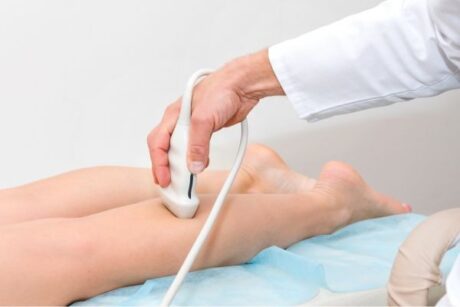
Many vein specialists use advanced diagnostic tools, including ultrasound imaging, to evaluate blood flow and determine whether damaged valves or poor circulation are contributing to vein disease. This detailed assessment helps create a personalized treatment plan that addresses both cosmetic concerns and medical issues.
Modern vein care often includes minimally invasive procedures that require little downtime. By working with an experienced varicose veins doctor, patients can receive treatments designed to improve circulation, reduce discomfort, and restore confidence in the appearance of their legs.
Choosing a provider who specializes in vein disorders ensures that your condition is accurately diagnosed and treated using the latest evidence-based techniques.
What Qualifications Should You Look For?
Not every physician who treats veins has the same level of experience or training. When searching for a veins specialist, it is important to look for providers with extensive knowledge of vascular medicine and minimally invasive vein procedures.
Board certification, specialized vascular training, and years of clinical experience are valuable indicators of expertise. Many reputable specialists also participate in continuing education to stay updated on the latest treatment technologies and medical advancements.
A qualified varicose veins doctor should be able to explain your diagnosis clearly, discuss all available treatment options, and answer your questions thoroughly. They should also provide realistic expectations regarding recovery, outcomes, and long-term vein health.
Reading patient reviews, researching credentials, and scheduling an initial consultation can help you determine whether a provider is the right fit for your healthcare needs.
When Should You See a Varicose Veins Doctor?
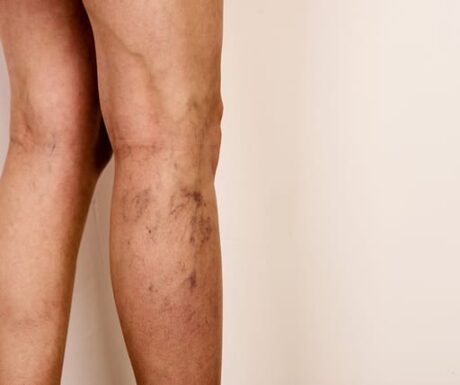
Many people delay seeking treatment because they assume varicose veins are only a cosmetic issue. However, symptoms such as aching legs, swelling, heaviness, cramping, itching, or skin discoloration may indicate chronic venous insufficiency that requires medical attention.
You should consider seeing a varicose veins doctor if your symptoms interfere with daily activities or continue to worsen over time. Early diagnosis can help prevent complications such as skin ulcers, blood clots, or progressive vein damage.
Even spider veins, while often harmless, can sometimes be associated with underlying vein disease. A comprehensive evaluation helps determine whether additional treatment is necessary.
Prompt medical care often results in simpler treatments, quicker recovery, and better long-term outcomes.
How Are Varicose Veins Diagnosed?
Accurate diagnosis is the foundation of successful vein treatment. During your initial appointment, a veins specialist will review your medical history, discuss your symptoms, and perform a physical examination.
One of the most important diagnostic tools is duplex ultrasound, which provides detailed images of blood flow inside the veins. This painless test helps identify malfunctioning valves, blocked veins, or areas of poor circulation.
The results allow your varicose veins doctor to determine the severity of your condition and recommend the most appropriate treatment plan. A personalized diagnosis ensures that treatment targets the underlying problem rather than only improving the appearance of the veins.
Comprehensive evaluation also helps identify any additional vascular conditions that may require ongoing monitoring or treatment.
What Treatment Options Are Available?
Today’s treatments for varicose veins and spider veins are safer, faster, and less invasive than traditional surgical procedures. Most patients can return to their normal routines within a day after treatment.
Common options include sclerotherapy for smaller veins, endovenous laser therapy, radiofrequency ablation, and medical adhesive closure for larger diseased veins. These procedures close damaged veins, allowing blood to reroute through healthier vessels.
A knowledgeable veins specialist will recommend the most appropriate treatment based on the severity of your condition, your symptoms, and your overall health.
Personalized treatment plans often provide better cosmetic results while also improving circulation and reducing discomfort.
Why Experience Matters in Vein Care
Experience plays an important role in achieving successful treatment outcomes. An experienced varicose veins doctor has performed numerous procedures and understands how to manage both routine and complex vein conditions.
Advanced expertise contributes to accurate diagnoses, effective treatment planning, and reduced risks during minimally invasive procedures. Experienced providers are also more familiar with newer technologies and evolving best practices.
Patients often benefit from individualized recommendations based on years of clinical experience rather than a one-size-fits-all approach.
Selecting an established veins specialist can increase confidence throughout every stage of diagnosis, treatment, and follow-up care.
How Can You Prepare for Your First Appointment?
Preparing for your consultation helps ensure a productive visit. Before meeting with your veins specialist, make a list of your symptoms, medications, previous treatments, and family history of vein disease.
Wear comfortable clothing that allows easy examination of your legs. Be prepared to discuss when your symptoms began, what activities worsen them, and any lifestyle factors that may contribute to vein problems.
Your varicose veins doctor may recommend an ultrasound examination during the visit to better understand your circulation.
Bringing questions about treatment options, recovery time, insurance coverage, and long-term expectations can help you make informed healthcare decisions.
Can Lifestyle Changes Support Vein Health?
While professional treatment is often necessary for damaged veins, healthy lifestyle habits can help support circulation and reduce the risk of future problems.
Regular exercise encourages healthy blood flow, while maintaining a healthy weight reduces pressure on the veins. Elevating your legs, avoiding prolonged standing or sitting, and wearing compression stockings when recommended may also improve symptoms.
Although lifestyle changes cannot eliminate existing varicose veins, they can complement treatment provided by a qualified veins specialist and contribute to long-term vascular health.
Following your provider’s recommendations after treatment helps maximize results and reduce the likelihood of recurrence.
Conclusion
Choosing the right veins specialist is an important step toward improving both your vascular health and overall quality of life. Whether you are concerned about varicose veins, spider veins, or symptoms related to chronic vein disease, working with an experienced varicose veins doctor ensures you receive an accurate diagnosis and a personalized treatment plan. Early evaluation and modern minimally invasive procedures can help relieve discomfort, improve circulation, and restore confidence in your legs.
If you’re looking for trusted vein care in Chicago, contact Charming Skin Vein Clinics (Chicago) to schedule a professional consultation. Their experienced team is committed to providing personalized treatment solutions tailored to your needs. Call 630-974-2400 today to learn more about your treatment options and begin your journey toward healthier veins.