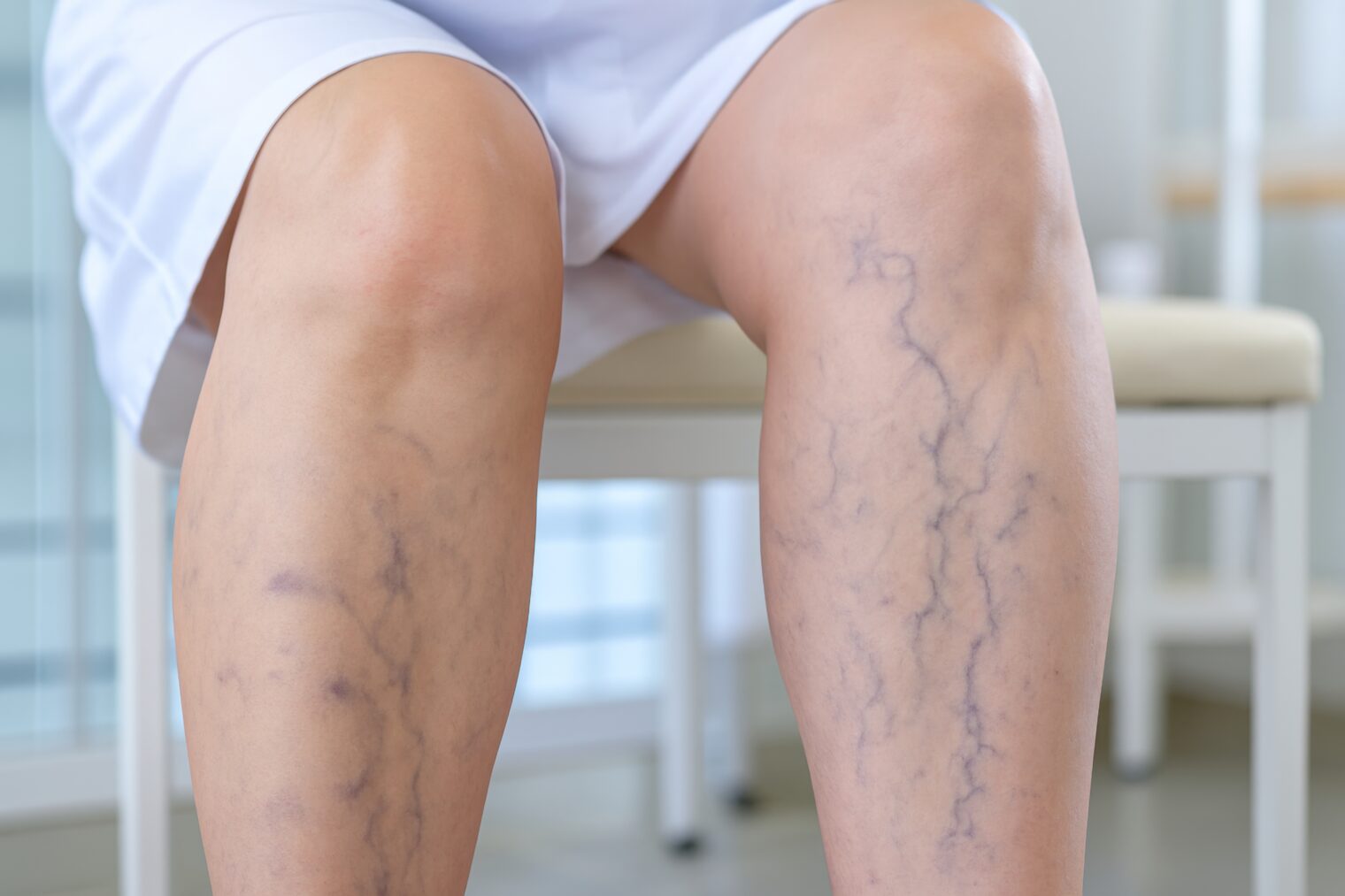
Many people struggle with leg discomfort, swelling, or visible twisted veins that affect both confidence and health. These issues are often linked to varicose veins, a condition that develops when blood flow in the veins is disrupted. While age, genetics, and lifestyle habits play a role, the root problem usually lies in weakened or damaged vein valves. When these valves no longer function properly, blood begins to pool instead of moving smoothly back toward the heart, leading to enlarged and bulging veins. Understanding the main cause of varicose veins is the first step toward effective prevention and treatment.
How Vein Valves Contribute to Varicose Veins
Healthy veins rely on tiny valves that open and close to guide blood back toward the heart. When these valves weaken or stop functioning correctly, blood can flow backward and collect in the veins. This creates pressure, which causes the veins to stretch, enlarge, and twist into visible varicose veins. Over time, this buildup of pressure can also make surrounding tissues feel heavy or achy, especially in the legs after long periods of standing or sitting.
Vein valve issues often begin subtly and worsen gradually. Some people may notice mild swelling or skin changes before the veins become noticeable on the surface. Because valves do not repair themselves, once they are damaged, the problem usually continues to progress. This explains why varicose veins often develop with age or as a result of other factors that place strain on the circulatory system.
The Role of Genetics in Varicose Veins
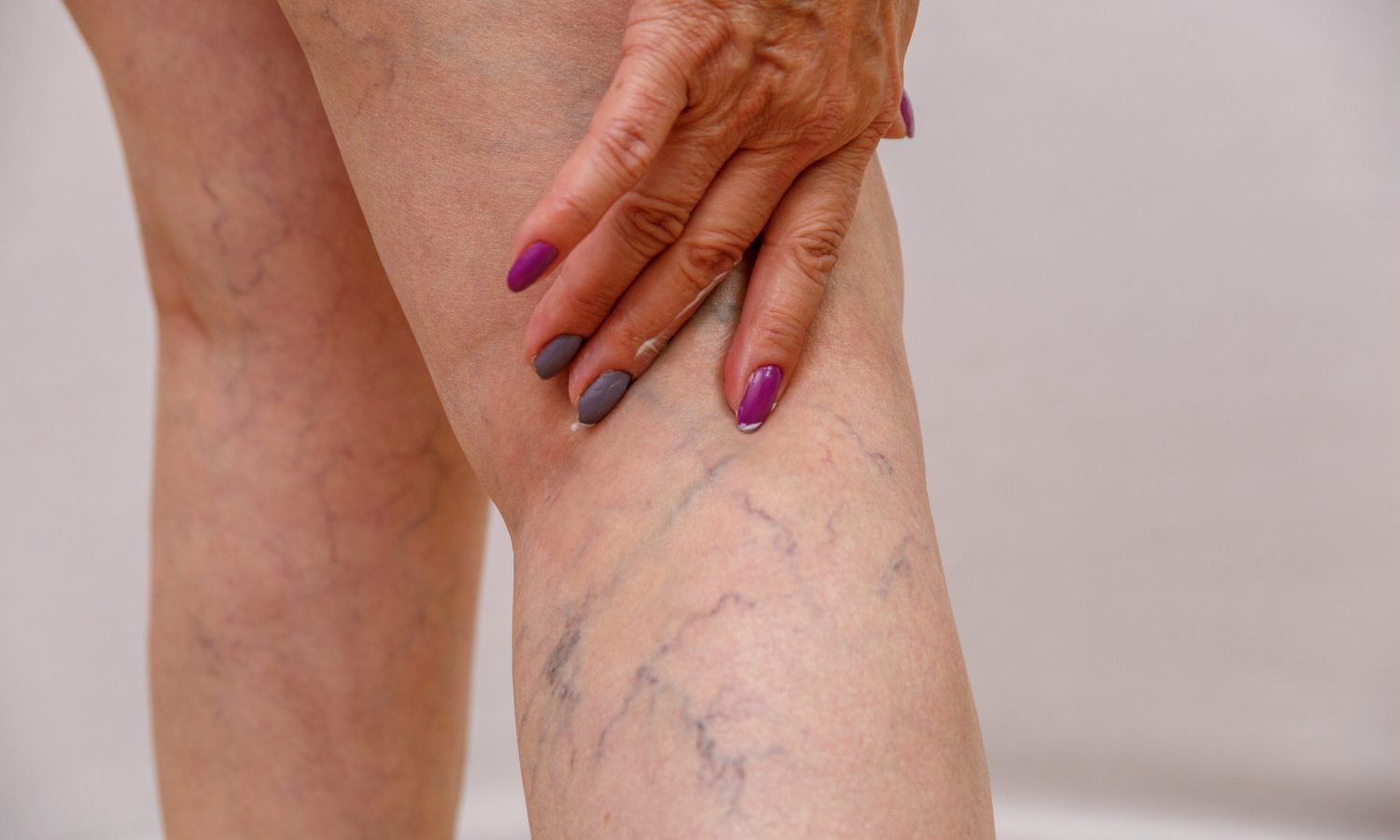
Family history often plays a large role in whether someone develops varicose veins. If a parent or grandparent experienced this condition, the likelihood of inheriting vein weakness increases significantly. Genetics can determine the structure of vein walls and valves, influencing how well they perform their job. Weaker vein tissue or faulty valves passed down through generations make some individuals more prone to developing visible vein issues at an earlier age.
Even with genetic predisposition, lifestyle choices can still influence the onset and severity of varicose veins. For instance, maintaining a healthy weight and staying active may delay or minimize their appearance. However, people with a strong family history should remain vigilant, as genetics can outweigh preventive measures. Regular monitoring of leg health and early consultations with specialists may help manage concerns before they become more severe or uncomfortable over time.
How Age Affects Vein Health
As the body ages, natural wear and tear impacts blood vessels, including the veins that transport blood back to the heart. The elasticity of vein walls decreases, and valves become more prone to weakening. These age-related changes allow blood to pool in the lower extremities, creating bulging, twisted varicose veins. This is why older adults often report increased leg heaviness or throbbing sensations that interfere with daily routines.
Although aging cannot be prevented, its effects on vein health can be managed. Staying physically active and practicing proper circulation habits may slow the progression of vein damage. Still, the longer the valves endure strain, the higher the chance of experiencing circulation problems. Recognizing age as a contributing factor helps explain why varicose veins appear more frequently in later years, even for those who maintain an otherwise healthy lifestyle.
The Impact of Prolonged Standing and Sitting
Occupations that involve long hours of standing or sitting contribute significantly to the development of varicose veins. When legs remain in the same position for extended periods, blood flow slows down, creating increased pressure within the veins. Over time, this pressure can weaken vein walls and valves, leading to visible bulging veins. Jobs in teaching, healthcare, or office work often expose individuals to these conditions daily.
Simple adjustments, such as moving around regularly or elevating the legs, can help reduce pressure buildup. However, if these habits become routine over many years, the stress on vein circulation becomes more noticeable. This makes posture and mobility a crucial factor in overall vein health. Being mindful of how much time is spent in one position can help reduce discomfort and delay the development of varicose veins.
Weight and Its Connection to Varicose Veins
Carrying excess weight puts additional pressure on the circulatory system, especially in the legs. The veins must work harder to push blood upward against gravity, which strains the valves responsible for preventing backflow. Over time, this increased workload can cause valve weakness and lead to varicose veins. Obesity not only accelerates the development of this condition but can also make existing vein problems more uncomfortable.
Weight management plays a vital role in reducing stress on veins. Even modest weight loss can help improve circulation and ease discomfort. Pairing a balanced diet with regular physical activity supports overall cardiovascular health and lightens the burden placed on leg veins. While weight is not the sole cause of varicose veins, it remains an important contributing factor that can worsen symptoms if not addressed.
How Pregnancy Triggers Varicose Veins
Pregnancy often increases the risk of developing varicose veins due to several physical changes in the body. Hormonal shifts relax vein walls, while increased blood volume creates added pressure on circulation. Additionally, the growing uterus presses on veins in the pelvis, making it harder for blood to flow upward from the legs. These combined factors lead to swelling, heaviness, and the formation of visible varicose veins.
In many cases, varicose veins that appear during pregnancy may improve or lessen after childbirth. However, repeated pregnancies can increase the likelihood of permanent vein issues. Women experiencing significant discomfort are encouraged to use supportive measures, such as compression stockings and light physical activity, to improve circulation. Pregnancy highlights how multiple changes in the body can combine to affect vein health.
Hormonal Changes and Vein Function
Hormones play a powerful role in vein health, particularly in women. Estrogen and progesterone affect vein walls by making them more relaxed and flexible. While this is beneficial during certain life stages, it can also reduce the strength of valves and increase the chance of blood pooling in the veins. This explains why varicose veins often become more noticeable during puberty, pregnancy, or menopause.
Fluctuating hormone levels can also worsen existing vein conditions. For example, many women notice an increase in visible veins or leg discomfort during menstrual cycles or hormonal treatments. While hormones alone may not cause varicose veins, they make vein tissue more vulnerable to damage. Paying attention to hormonal changes and their impact on circulation can help individuals anticipate when extra care for vein health may be needed.
Lifestyle Habits That Weaken Veins
Certain lifestyle habits significantly influence vein health over time. Lack of physical activity, smoking, or poor dietary choices can reduce circulation efficiency and damage vein walls. Sedentary behavior slows blood flow, while smoking constricts blood vessels, and an unhealthy diet may lead to inflammation or weight gain. Each of these factors places additional strain on veins, increasing the risk of developing varicose veins.
Making positive adjustments can support long-term vein health. Regular movement, hydration, and balanced meals help strengthen the circulatory system and reduce unnecessary stress on the legs. While some factors like genetics and age cannot be controlled, lifestyle changes remain within reach and can make a meaningful difference. By adopting healthier habits, individuals may reduce discomfort and lower the likelihood of developing more severe vein complications.
Conclusion
Varicose veins can develop for many reasons, from weakened valves and genetic factors to lifestyle choices and natural body changes. While some causes like aging and family history are beyond control, others such as physical activity, weight management, and healthy habits can make a difference in reducing risks. Paying attention to circulation and addressing concerns early can prevent discomfort from progressing into more serious issues.
For those already experiencing visible veins or ongoing leg discomfort, professional care offers lasting relief. At Charming Skin Vein Clinics in Oak Brook, IL, specialized treatments are tailored to restore both comfort and confidence. Don’t wait for symptoms to worsen—reach out today to explore safe and effective options for your vein health. Call 630-974-1400 to schedule a consultation and take the next step toward healthier legs.