- By Vismountain
- June 6, 2025
- Varicose Vein Doctor
Visiting a specialist for vein-related concerns can feel overwhelming, especially if it’s your first time. Whether you’re experiencing discomfort, visible bulging veins, or just seeking answers about your symptoms, knowing what lies ahead can ease anxiety and help you feel more prepared. A varicose vein doctor focuses on diagnosing and treating vein disorders with precision and care. From initial evaluations to personalized treatment plans, these professionals provide essential guidance to improve vein health, alleviate symptoms, and support your overall well-being.
Preparing for Your First Appointment
Before visiting a varicose vein doctor, it’s helpful to gather essential details about your symptoms. Make a note of when your discomfort started, how often it occurs, and whether it worsens during certain activities. Bring a list of any medications you’re currently taking, as some may influence your treatment options or how your body reacts to procedures. Be ready to discuss your medical history, including previous surgeries or underlying health issues.
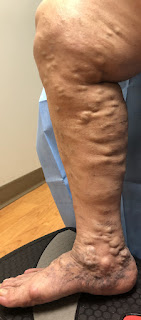
Dress comfortably, as your doctor may examine your legs for swelling, discoloration, or bulging veins. It’s also common to undergo non-invasive imaging tests during your first visit. These tests help the specialist assess how well your veins are functioning. Going in prepared not only saves time but allows the doctor to design a more accurate treatment plan based on your specific condition and lifestyle.
What Happens During the Initial Consultation
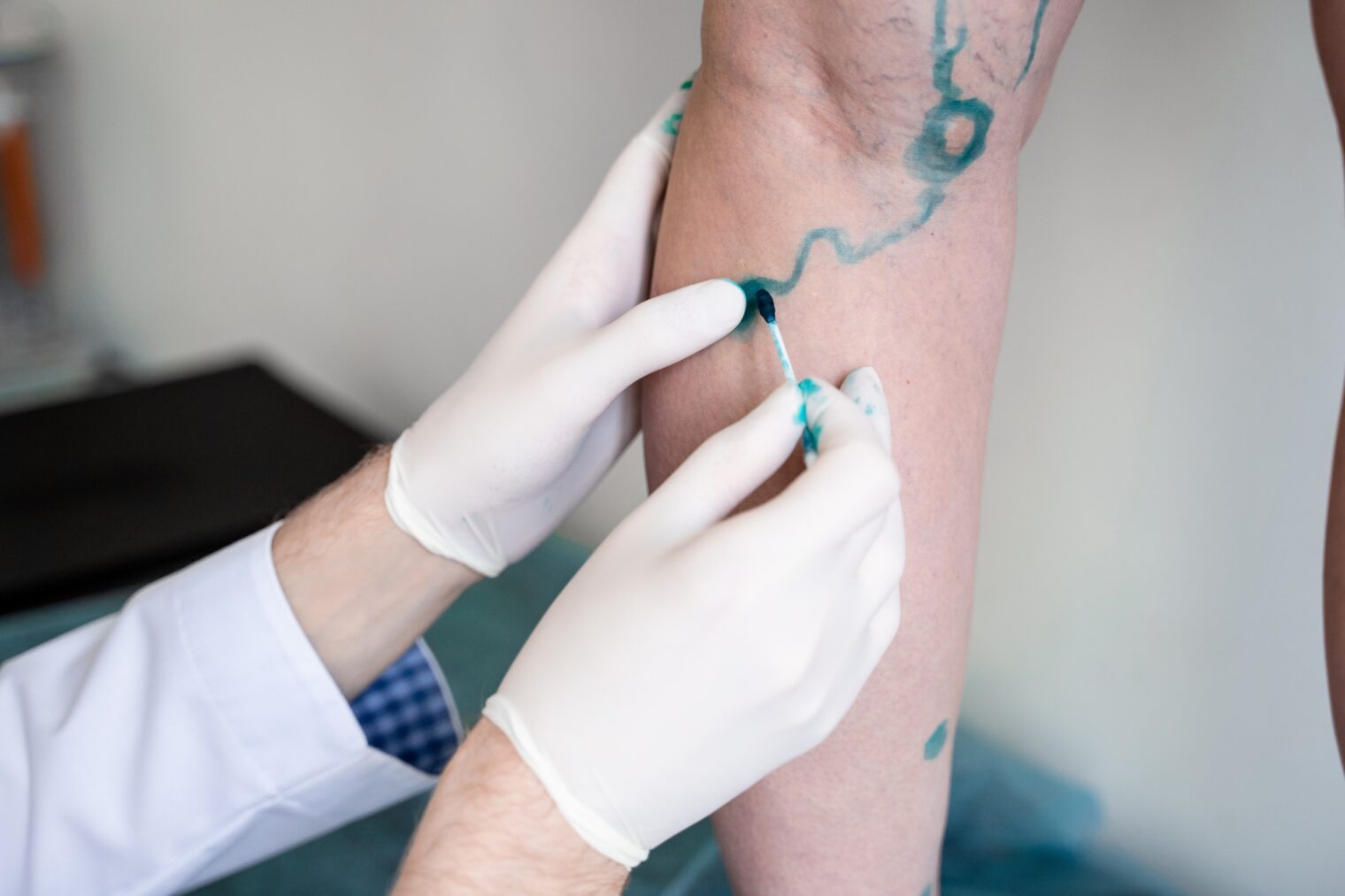
During the first consultation, the varicose vein doctor will begin by asking detailed questions about your symptoms. This helps them understand how the condition affects your daily life and identify possible underlying causes. You may be asked about pain levels, how long you’ve had visible veins, and if there’s any history of vein problems in your family. Honesty and detail in your answers will lead to better care.
The physical examination often focuses on your legs, ankles, and feet. The doctor will look for swelling, skin changes, or raised veins. They may also perform a Doppler ultrasound to assess blood flow and determine if the veins are damaged. This diagnostic step is painless and crucial in identifying the severity of the issue and guiding the next steps for your care plan.
Questions Your Doctor May Ask
Your varicose vein doctor will want to learn as much as possible about your experience to provide the most accurate diagnosis. Expect to answer questions about when your symptoms began, how they affect your mobility, and if you notice swelling after long periods of standing or sitting. The more information you share, the more targeted and helpful your treatment plan can be.
Additional questions may cover your occupation, lifestyle habits, and whether you’ve had previous treatments for vein problems. They may also inquire about your physical activity level and if you wear compression garments. These details help the doctor understand what might be contributing to the condition and what adjustments might support your healing process in the long term.
Diagnostic Tests You Might Undergo
Most consultations with a varicose vein doctor involve simple diagnostic procedures to evaluate vein health. The most common test is a venous ultrasound, which allows the doctor to see how blood flows through your veins. This test helps identify faulty valves or any obstruction within the vein system that may be causing blood to pool.
Other diagnostic tools may include a visual inspection with magnification, or vein mapping to locate problematic areas. These procedures are non-invasive and typically done in the office without discomfort. Results from these tests will guide the doctor in recommending appropriate treatment. Whether you’re facing minor vein issues or a more advanced stage, these diagnostics ensure your care is both effective and personalized.
Treatment Plans Tailored to Your Needs
After diagnosing your condition, the varicose vein doctor will create a treatment plan that fits your symptoms, lifestyle, and goals. Depending on the severity, they may recommend conservative options first, like compression stockings or changes in physical activity. These approaches help reduce discomfort and prevent the condition from worsening.
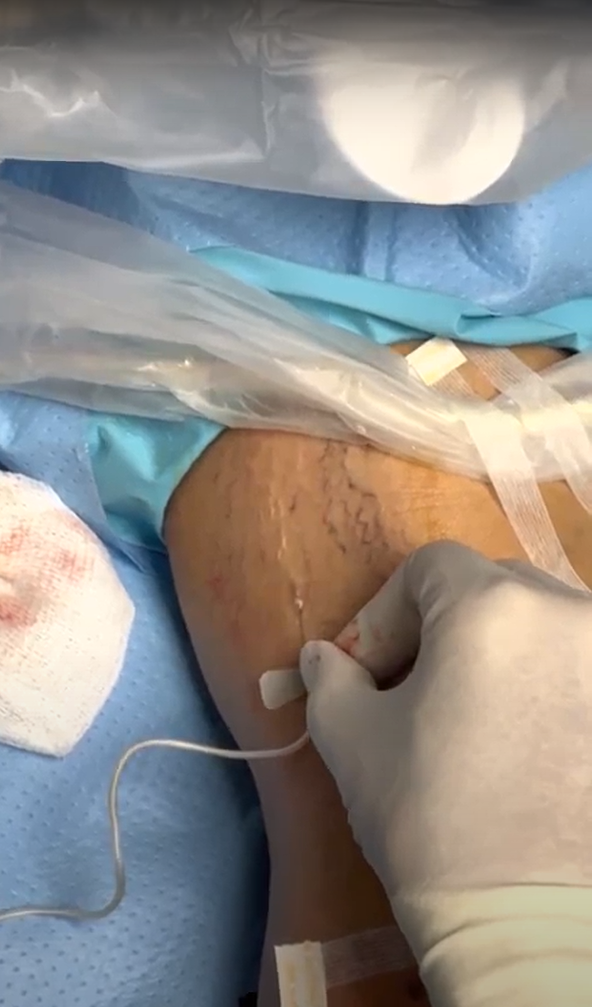
In more advanced cases, procedures like sclerotherapy, laser therapy, or radiofrequency ablation might be suggested. Each treatment is chosen based on the specific veins affected and how your body responds. The doctor will explain each step thoroughly, so you understand what to expect. Tailoring care ensures not only better outcomes but also a smoother recovery process for each individual patient.
Lifestyle Adjustments to Support Treatment
Even after visiting a varicose vein doctor, making small daily changes can help manage symptoms and promote long-term results. Simple steps like elevating your legs when resting, avoiding long periods of standing or sitting, and maintaining a healthy weight can support vein function and reduce pressure on your lower limbs.
Wearing compression stockings as recommended can also ease swelling and discomfort. Incorporating low-impact exercises, such as walking or swimming, improves circulation and helps prevent new varicose veins from forming. These lifestyle adjustments, while not replacements for medical treatment, work hand in hand with professional care. They empower patients to take an active role in their recovery and maintain better vascular health.
Common Feelings Before and After the Visit
Many patients feel nervous before seeing a varicose vein doctor, especially if it’s their first time. It’s natural to worry about the diagnosis, potential procedures, or long-term effects. However, most find relief once they understand the condition and see how manageable treatment can be with expert guidance and care.
After the visit, patients often feel more in control of their health. Having answers and a clear path forward can reduce anxiety and replace it with a sense of empowerment. Knowing your treatment plan, possible outcomes, and steps to recovery creates confidence in the process. The support you receive from your doctor plays a big role in easing concerns and building trust.
What Happens After Diagnosis
Once your varicose vein doctor confirms the diagnosis, the next phase is deciding how to move forward. This may involve scheduling a follow-up to begin treatment, or implementing lifestyle changes and monitoring progress. Your doctor may also recommend keeping a symptom journal to track any changes or improvements over time.
Recovery and management depend on the type of treatment chosen. Minimally invasive options usually require little downtime, while more complex procedures may need additional care. Your specialist will guide you through post-treatment care, including movement tips, wound care if necessary, and follow-up evaluations. Staying committed to your plan leads to a smoother recovery and lasting relief from symptoms.
Conclusion
Seeking help from a trusted specialist can make a significant difference in your vein health and overall comfort. At Charming Skin Vein Clinics in Oak Brook, IL, patients receive personalized attention and advanced treatment options designed to restore confidence and improve circulation. Whether you’re managing discomfort or looking to prevent future vein issues, their experienced team is here to guide you every step of the way. From consultation to recovery, compassionate care is always the priority.
Take the next step toward healthier legs and renewed confidence by scheduling a consultation today. Call Charming Skin Vein Clinics at +1 630-974-1400 to book your appointment and discover customized solutions for your needs. The earlier you act, the sooner you can enjoy a more active and comfortable lifestyle without the burden of vein discomfort.