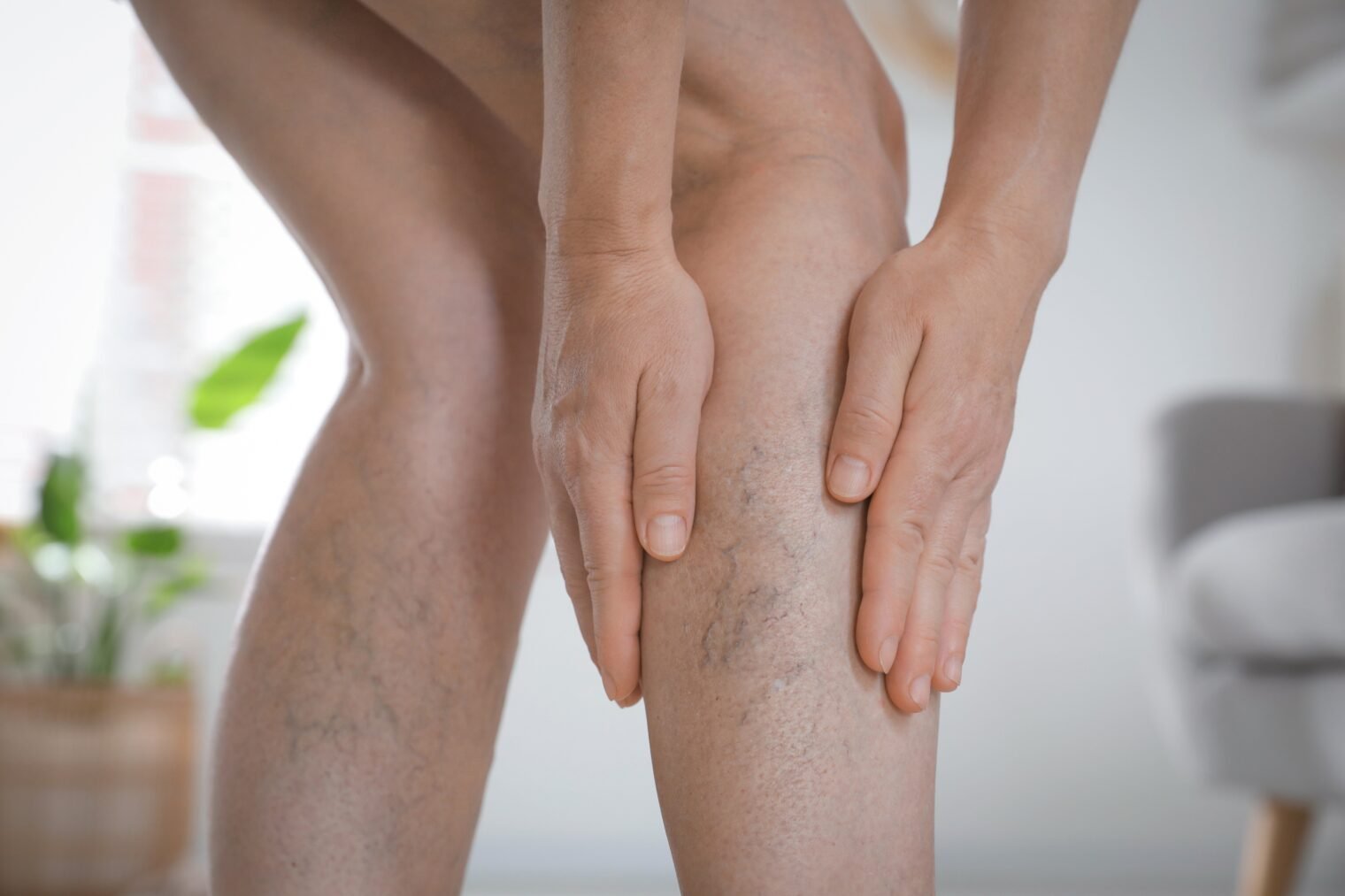
When you see a vein specialist for leg symptoms, the first step is understanding why your veins are struggling — not jumping straight to a procedure. Vein care covers a range of options, from simple conservative measures to minimally invasive in-office treatments. Which one fits you depends on what an ultrasound shows about how your veins are working. Here is a clear look at the treatments a specialist may discuss, and how we help you decide.
It Starts With a Diagnosis
Effective vein care begins with knowing what is actually happening beneath the skin. A specialist uses a painless ultrasound vein diagnosis to map your veins and check whether the valves are allowing blood to flow backward (reflux). This step matters because visible veins are sometimes a surface sign of a deeper issue, and the right treatment depends on the findings. If you are unsure whether your symptoms point to a vein problem, our overview of vein symptoms and conditions can help you recognize the patterns.
Conservative Care Often Comes First
Not every vein concern needs a procedure. For many people, a specialist may start with conservative steps that ease symptoms and support healthy circulation:
- Graduated compression therapy to encourage blood flow back toward the heart
- Movement, leg elevation, and weight management to reduce daily strain on the veins
- Monitoring symptoms over time to see whether they progress
These measures are often recommended early, and in some cases they are enough to keep symptoms manageable.
Minimally Invasive Treatments for Larger Veins
When ultrasound shows reflux in larger veins, a specialist may recommend an in-office procedure to close the affected vein so blood reroutes to healthier ones. For varicose vein treatment, common options include:
- Endovenous laser treatment (EVLA), which uses laser energy to close a faulty vein through a tiny access point
- Varithena foam treatment, a foam medication injected to treat certain veins
- VenaSeal closure, which seals the vein using a medical adhesive
These are typically performed in the office with little downtime. Your specialist will explain which approach suits your anatomy and symptoms.
Treating Smaller Surface Veins
Smaller surface veins, such as spider veins, are usually addressed separately. Spider vein treatment often focuses on the cosmetic appearance of the legs rather than an underlying circulation problem. Because this work is cosmetic, it is generally self-pay. Treatment for symptomatic veins is different: most PPO plans and Medicare cover treatment for symptomatic veins, and our team can help you understand what applies to your situation.
How We Help You Decide
At Charming Skin & Vein Clinics, care is led by Dr. Abboud, who brings more than 20 years of experience. A graduate of the University of Damascus, he completed his residency at Cook County Hospital and John H. Stroger Jr. Hospital in Chicago. Our goal is to explain your options clearly so you can choose the approach that fits your needs. We see patients at three locations: Chicago (5907 W. 63rd St.), Oak Brook (2425 W. 22nd St. #205), and Orland Park (10 Orland Square Dr.) — see all of our service areas.
To find out which treatments may be right for you, Book a Free Vein Screening or call us at 630-974-1400.