- By Vismountain
- June 12, 2025
- Leg Vein Pain
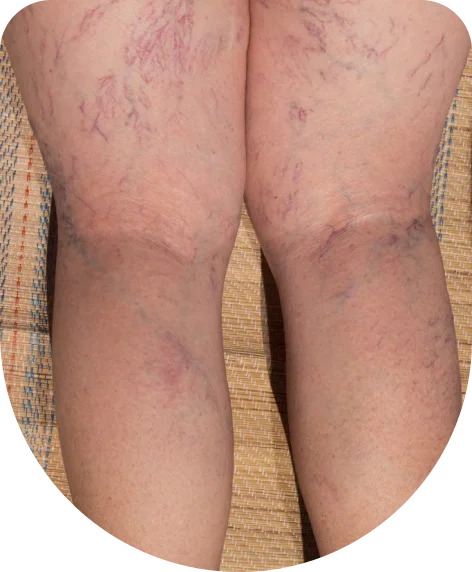
Leg vein pain can be influenced by more than just medical conditions—it’s often made worse by everyday habits we don’t think twice about. Daily routines like prolonged sitting, wearing tight clothing, or avoiding regular movement may silently contribute to poor circulation and increased leg discomfort. Over time, these repeated behaviors can place extra pressure on your veins, causing swelling, throbbing, or fatigue in the lower limbs. By understanding what triggers leg vein pain, you can make smarter choices that support your vein health and help reduce ongoing discomfort.
Sitting for Long Periods Without Movement
Remaining seated for extended periods restricts healthy blood flow in the legs, which can aggravate circulation and increase leg vein pain. Whether you’re working at a desk, traveling, or relaxing for too long, the pressure builds up in the lower limbs, potentially worsening discomfort and swelling. The lack of muscle activity limits your veins’ ability to efficiently move blood back to the heart, especially if you’re in a sedentary position for hours.
To counter this, consider taking short breaks to stretch or walk around throughout the day. Even gentle movement helps stimulate circulation and reduces pressure on your veins. If your lifestyle involves prolonged sitting, being mindful of your leg position and incorporating regular movement can make a noticeable difference in how your legs feel, especially at the end of the day.
Wearing Tight or Restrictive Clothing
Tight jeans, leggings, or socks with tight elastic bands can contribute to restricted blood flow, particularly around the thighs, calves, and ankles. While these garments may be stylish or comfortable, they place unnecessary pressure on the veins and can worsen leg vein pain. Constriction limits proper circulation and can increase inflammation or discomfort in those already experiencing vein issues.
Opting for looser clothing or seamless designs can reduce irritation and allow your legs to breathe and circulate blood freely. Compression wear is an exception, but it should be medically recommended and properly fitted. Making mindful choices in what you wear can reduce daily strain on your legs and support better vascular health over time, preventing unnecessary vein-related discomfort or heaviness.
Standing Too Long Without Relief
Prolonged standing, especially on hard surfaces, can place a great deal of pressure on your leg veins. Over time, this can lead to pooling of blood, fatigue, and increased leg vein pain. Occupations that require standing all day—like teaching, retail, or healthcare—are especially prone to causing vein-related discomfort if proper support isn’t used.
If standing for long stretches is unavoidable, take steps to reduce the strain. Shifting weight from one leg to another, wearing supportive shoes, or using anti-fatigue mats can help alleviate the burden on your veins. Elevating your legs during breaks can also aid in restoring circulation and reducing inflammation, making it easier to manage the demands of a job that keeps you on your feet.
Lack of Regular Physical Activity
A lifestyle lacking regular movement can lead to poor circulation, which directly impacts vein health. Without physical activity, the calf muscles don’t contract enough to assist with pushing blood back up toward the heart. This can make leg vein pain more noticeable, especially for individuals with varicose or spider veins.
You don’t need a high-intensity workout routine to help your legs. Even gentle activities like walking, biking, or swimming can significantly improve how your legs feel. Engaging in movement for just 30 minutes a day helps support vein strength and flexibility. Small, consistent steps toward an active lifestyle can reduce pain and pressure while promoting better blood flow throughout the day.
Ignoring Weight Management
Carrying excess body weight places more pressure on your lower limbs, particularly the veins in your legs. This added stress can make leg vein pain more severe, as the veins must work harder to return blood to the heart against gravity. Over time, this can lead to increased swelling, fatigue, and visible vein changes.
Maintaining a healthy weight through balanced eating and regular activity helps lessen the burden on your vascular system. Even modest weight loss can improve symptoms and slow the progression of vein issues. Prioritizing overall wellness not only benefits your heart and joints but also helps keep your veins functioning optimally, easing unnecessary strain on your legs.
Wearing Unsupportive Footwear
Footwear without proper arch or heel support can impact how blood flows through your legs. Shoes that lack cushioning or structure can lead to poor posture, causing pressure to build in areas where blood struggles to circulate. Over time, this can worsen symptoms like swelling or leg vein pain.
Supportive shoes help distribute your weight more evenly, reducing stress on your legs and veins. Look for options with padded soles, arch support, and a proper fit. Avoid high heels or completely flat shoes if you experience vein discomfort. Choosing the right footwear every day contributes to better posture and comfort, helping your legs stay pain-free longer.
Skipping Leg Elevation After a Long Day
After hours of sitting or standing, your legs benefit greatly from elevation. Skipping this simple practice allows gravity to keep blood pooling in your lower limbs, which can intensify leg vein pain. Elevating the legs above heart level encourages proper circulation and helps reduce swelling and fatigue.
Incorporating leg elevation into your evening routine doesn’t require much effort. Resting on a couch or bed with a pillow under your legs for 15 to 20 minutes can make a big difference. This practice helps relieve pressure in the veins and brings a sense of relief after a long day. Making it a habit can support vein health and improve overall comfort.
Smoking and Its Circulatory Impact
Smoking directly affects blood vessels and reduces circulation efficiency, which can severely impact leg vein health. The chemicals in tobacco damage the lining of blood vessels, increasing the risk of clots and causing narrowing that makes leg vein pain worse over time. It also reduces oxygen levels in the blood, making tissue repair slower and inflammation more likely.
Quitting smoking is one of the most beneficial changes you can make for your veins and overall health. As circulation improves, pain and pressure in the legs often decrease. While quitting isn’t easy, support programs, medication, or counseling can help. Giving your body the opportunity to heal without the toxic effects of smoking is a powerful step toward healthier, more comfortable legs.
Dehydration and Poor Dietary Habits
Not drinking enough water and consuming a diet low in fiber and nutrients can impact your vascular system. Dehydration thickens the blood, making it harder to circulate efficiently. This can lead to swelling, cramping, and increased leg vein pain, especially during warm weather or physical activity.
Incorporating more water, fruits, vegetables, and whole grains helps keep the blood flowing smoothly and supports vein integrity. Limiting salt and processed foods also helps reduce water retention and pressure on the legs. Being mindful of your hydration and nutritional habits promotes healthier veins, reducing discomfort and enhancing overall leg vitality.
Conclusion
Paying attention to your daily habits can make a significant difference in how your legs feel and function. If you’re experiencing ongoing discomfort or worsening leg vein pain, it’s time to seek expert care. At Charming Skin Vein Clinics in Oak Brook, IL, our team offers personalized vein treatments designed to improve circulation, reduce pain, and restore comfort to your daily life. Whether you’re managing varicose veins or general leg fatigue, we’re here to help you feel your best.
Don’t let lifestyle habits continue to affect your vascular health. Take the first step toward relief and confidence by scheduling a consultation with our experienced specialists. Call us today at +1 630-974-1400 to discuss your treatment options and begin your journey toward healthier legs. Let your next steps be pain-free ones.