
Varicose veins and spider veins are among the most common vein conditions affecting adults of all ages. While many people view them as cosmetic concerns, they can also signal underlying circulation issues that deserve medical attention. Understanding why these vein problems develop can help you take the right steps to protect your vascular health and prevent symptoms from worsening. Whether you’re experiencing discomfort, swelling, or visible veins, consulting a qualified varicose veins doctor or experienced veins specialist can help identify the underlying cause and recommend effective treatment options. In this guide, we’ll explore the most common reasons varicose veins and spider veins develop, the factors that increase your risk, and when it’s time to seek professional care.
Understanding the Difference Between Spider Veins and Varicose Veins
Although they are often mentioned together, spider veins and varicose veins are different conditions with distinct characteristics. Spider veins are small, thin blood vessels that appear close to the skin’s surface. They commonly look like red, blue, or purple webs and usually develop on the legs or face.
Varicose veins are much larger and often appear twisted, bulging, and raised above the skin. They develop when the valves inside the veins become weak or damaged, allowing blood to flow backward and pool inside the vein. This increased pressure causes the vein to enlarge over time.
While spider veins are generally painless, some individuals experience mild burning or itching around the affected area. Varicose veins, however, frequently cause aching, heaviness, swelling, muscle cramps, and discomfort that worsens after standing for long periods.
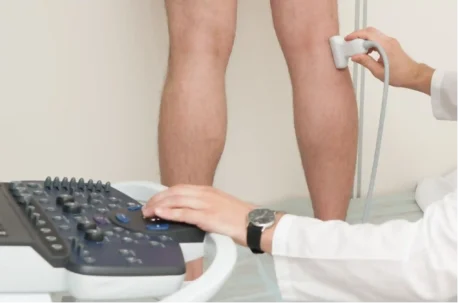
A qualified veins specialist can evaluate both conditions using advanced diagnostic techniques, including ultrasound imaging, to determine whether deeper vein disease is contributing to the visible symptoms. Early diagnosis allows a varicose veins doctor to recommend treatments that improve both appearance and circulation while reducing the risk of future complications.
Why Healthy Vein Valves Matter
Healthy veins rely on tiny one-way valves to move blood from the legs back toward the heart. Every time your muscles contract, they help push blood upward while these valves prevent it from flowing backward.
When these valves weaken or become damaged, blood begins collecting inside the veins instead of continuing toward the heart. The extra pressure stretches the vein walls, eventually leading to enlarged varicose veins or smaller spider veins.
Valve damage develops gradually over many years and often results from aging, genetics, prolonged standing, pregnancy, or increased pressure inside the veins. Once vein valves stop functioning properly, the condition typically progresses without treatment.
A skilled varicose veins doctor focuses on restoring healthy circulation rather than simply improving cosmetic appearance. Modern treatments target the underlying vein dysfunction, allowing healthier veins to take over blood flow while problematic veins naturally fade over time.
Understanding how vein valves function highlights why early intervention from a knowledgeable veins specialist can prevent symptoms from becoming more severe.
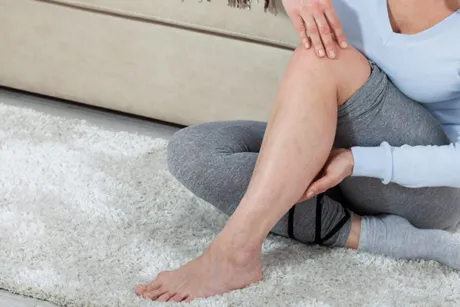
Common Risk Factors That Increase Your Chances
Several risk factors make certain individuals more likely to develop varicose veins and spider veins. Genetics remains one of the strongest predictors. If close family members have vein disease, your likelihood of developing similar problems increases significantly.
Age also plays a major role because vein walls and valves naturally weaken over time. Women experience vein disease more frequently than men due to hormonal fluctuations during pregnancy, menopause, and certain hormonal medications.
Standing or sitting for extended periods can reduce healthy blood circulation, placing additional pressure on leg veins throughout the day. Excess body weight creates further strain on the vascular system, increasing the risk of developing enlarged veins.
Regular physical activity helps maintain healthy circulation, while prolonged inactivity often contributes to vein problems. A veins specialist evaluates these individual risk factors to determine the most appropriate preventive measures and treatment options.
Working with an experienced varicose veins doctor allows patients to identify lifestyle adjustments that may slow disease progression while improving overall vascular health.
How Pregnancy Contributes to Vein Problems
Pregnancy significantly increases the likelihood of developing both spider veins and varicose veins. As the baby grows, the expanding uterus places greater pressure on pelvic and leg veins, making it more difficult for blood to return to the heart.
Hormonal changes during pregnancy also relax blood vessel walls, allowing veins to stretch more easily. Additionally, blood volume increases substantially to support the developing baby, creating even greater pressure within the veins.
Many women notice visible veins appearing during the second or third trimester. While some improve after childbirth, others remain permanently enlarged if valve damage has occurred.
Fortunately, today’s veins specialist can safely evaluate postpartum vein conditions and recommend treatments once appropriate. A qualified varicose veins doctor helps determine whether symptoms are temporary or require medical intervention.
Managing pregnancy-related vein issues early can reduce discomfort while supporting healthier circulation throughout recovery.
The Impact of Lifestyle and Daily Habits
Daily habits have a major influence on vein health. Sitting behind a desk for hours or standing continuously at work limits healthy circulation and allows blood to collect in the lower legs.
Regular exercise strengthens calf muscles, which act as a natural pump that helps move blood upward through the veins. Walking, cycling, and swimming all encourage better circulation while reducing unnecessary pressure inside leg veins.
Maintaining a healthy weight also reduces strain on the vascular system. Wearing supportive footwear, elevating your legs after long days, and avoiding extended periods of inactivity may further decrease your risk of developing varicose veins.
Although healthy habits cannot completely eliminate inherited risk factors, they often delay disease progression and reduce symptoms.
A varicose veins doctor frequently recommends lifestyle modifications alongside minimally invasive procedures to achieve long-lasting results. Your veins specialist can personalize these recommendations based on your overall health and daily routine.
Signs You Shouldn’t Ignore
Many people assume visible veins are only cosmetic, but certain symptoms indicate underlying vein disease requiring medical evaluation.
Persistent aching, heaviness, swelling around the ankles, nighttime leg cramps, skin discoloration, or slow-healing sores may all suggest chronic venous insufficiency. Left untreated, these conditions can gradually worsen and significantly affect daily comfort.
Even seemingly minor spider veins can occasionally signal deeper circulation problems that require further investigation. Early diagnosis helps prevent complications before they become more difficult to manage.
A skilled veins specialist uses non-invasive ultrasound imaging to evaluate blood flow and identify damaged veins beneath the surface. This detailed assessment allows a varicose veins doctor to create an individualized treatment plan tailored to each patient’s condition.
Seeking professional care promptly often leads to faster recovery, improved comfort, and better long-term vein health.
Modern Treatment Options Available Today
Advancements in vascular medicine have made treating varicose veins and spider veins safer, faster, and more comfortable than ever before. Most modern procedures are minimally invasive and performed in an outpatient setting.
Common treatments include sclerotherapy for smaller spider veins, endovenous laser therapy, radiofrequency ablation, and other image-guided procedures that close damaged veins while preserving healthy circulation.
Most patients return to normal daily activities within a short period following treatment. Recovery is generally quick, with minimal discomfort and little interruption to everyday life.
An experienced veins specialist selects the most appropriate treatment based on vein size, symptom severity, and overall vascular health. Rather than simply removing visible veins, a varicose veins doctor addresses the underlying cause to reduce recurrence and improve circulation.
Modern treatment allows many patients to experience relief from discomfort while also improving the appearance of their legs.
Preventing Future Vein Problems
While not every case of varicose veins or spider veins can be prevented, adopting healthy habits can significantly reduce your risk of developing additional vein problems.
Regular physical activity, maintaining a healthy weight, avoiding prolonged standing or sitting, elevating your legs when possible, and wearing compression stockings when recommended all support healthy circulation.
Routine evaluations become especially important for individuals with a family history of vein disease or previous vein treatments. Monitoring symptoms early allows potential issues to be addressed before they progress.
Working closely with a trusted veins specialist helps ensure personalized preventive care based on your medical history and lifestyle. A knowledgeable varicose veins doctor can recommend both preventive strategies and treatment options that promote long-term vascular wellness.
Taking proactive steps today helps protect your circulation for years to come.
Conclusion
Varicose veins and spider veins develop for many reasons, including weakened vein valves, genetics, aging, pregnancy, lifestyle habits, and prolonged pressure on the legs. While some people experience only cosmetic concerns, others develop symptoms that interfere with daily life and indicate underlying vein disease. Recognizing early warning signs and seeking prompt evaluation from an experienced varicose veins doctor or trusted veins specialist can lead to more effective treatment and better long-term circulation.
If you’re experiencing symptoms of vein disease in Chicago, the experienced team at Charming Skin Vein Clinics (Chicago) is committed to providing personalized, minimally invasive vein care. Their specialists offer comprehensive evaluations and advanced treatment options designed to restore healthy circulation and improve your quality of life. To schedule a consultation or learn more about your treatment options, call 630-974-2400 today.