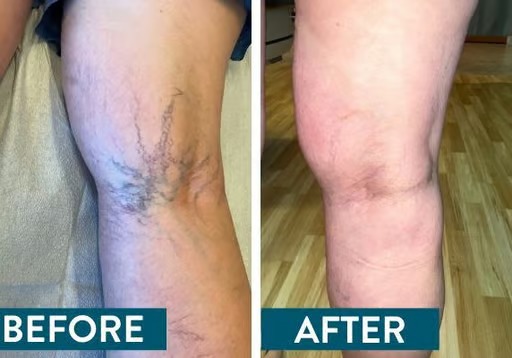
If you are considering treatment for varicose veins, it is natural to wonder whether the procedures are safe and what recovery actually looks like. Today’s vein treatments are mostly minimally invasive, performed in the office, and let most people return to their normal day quickly. This guide walks through how we approach treatment safety, what happens during recovery, and what you can reasonably expect along the way.
Are Modern Varicose Vein Treatments Safe?
Most varicose vein procedures today are minimally invasive and done in our office using local anesthesia rather than general anesthesia. Instead of the older surgical vein stripping, we use catheter-based and image-guided techniques that close the affected vein while leaving healthy circulation intact. Because the treatments are targeted and performed under ultrasound guidance, they are well tolerated by most patients.
Dr. Abboud brings more than 20 years of experience to every evaluation. A graduate of the University of Damascus, he completed his residency at Cook County Hospital and John H. Stroger Jr. Hospital in Chicago. That experience guides how we assess each patient, confirm the right diagnosis with a thorough review of your symptoms, and choose a treatment matched to your needs rather than a one-size-fits-all approach. As with any medical procedure, there are possible side effects, which we review with you in advance so you can make an informed decision.
What to Expect During Common Vein Procedures
The right procedure depends on the size and location of the veins and on your symptoms. Several options are commonly used:
- Endovenous laser treatment (EVLA) uses laser energy delivered through a thin catheter to close a problem vein.
- Varithena foam treatment uses an injectable foam to treat larger or twisting veins.
- VenaSeal closure seals the vein with a medical adhesive, often with minimal discomfort.
- Smaller surface veins may be addressed with spider vein treatment.
Most of these appointments take about an hour, and you are awake and comfortable throughout. You can read more about our full range of varicose vein treatment options and how we decide which is appropriate for you.
Recovery: What the Days After Look Like
One of the advantages of minimally invasive vein treatment is the short recovery. Most people walk immediately afterward and return to normal activities the same day or the next, though we ask you to avoid strenuous exercise for a short period. Mild bruising, tenderness, or tightness along the treated vein is common and usually fades over a couple of weeks.
Wearing compression stockings for the time we recommend supports healing and helps your results. We schedule follow-up visits to check your progress, and we are available by phone if any questions come up between appointments.
Coverage and Getting Started
Many people are surprised to learn that vein treatment is often a medical, not cosmetic, matter. Most PPO plans and Medicare cover treatment for symptomatic veins. Cosmetic vein work is self-pay. We see patients at three locations: Chicago (5907 W. 63rd St.), Oak Brook (2425 W. 22nd St. #205), and Orland Park (10 Orland Square Dr.).
If you would like to understand your options and whether treatment is right for you, Book a Free Vein Screening or call us at 630-974-1400.