
Varicose veins are enlarged, twisted veins that commonly appear on the legs and feet. They develop when vein valves become weak or damaged, causing blood to pool instead of flowing efficiently back to the heart. While many people view varicose veins as a cosmetic concern, they can also lead to discomfort, swelling, aching, and other complications if left untreated.
Understanding how doctors diagnose and treat this condition is important for anyone experiencing symptoms or noticing visible vein changes. Modern medicine offers a variety of diagnostic tools and treatment options that can improve both appearance and overall vascular health. Early evaluation allows healthcare providers to determine the severity of the condition and recommend the most effective treatment plan. In this guide, we will explore how medical professionals identify vein disorders and the various methods available to help patients achieve healthier, more comfortable legs.
What Are Varicose Veins?
Varicose veins occur when veins become enlarged due to increased pressure and malfunctioning valves. Normally, veins contain one-way valves that keep blood moving toward the heart. When these valves weaken, blood can flow backward and collect inside the vein.
This buildup causes veins to stretch and enlarge over time. The condition most commonly affects the legs because standing and walking increase pressure in the lower body veins. Although anyone can develop vein problems, factors such as age, genetics, pregnancy, obesity, and prolonged standing can increase risk.
The appearance of these veins varies from person to person. Some individuals notice dark blue or purple veins bulging beneath the skin, while others experience symptoms such as heaviness, throbbing, or fatigue in the legs. In more advanced cases, skin changes and ulcers may develop.
Understanding the underlying causes helps patients recognize why professional evaluation is important. Identifying the severity of vein dysfunction allows doctors to recommend treatments that address both symptoms and the root cause of the condition.
Common Symptoms That Prompt Medical Evaluation
Many people seek medical attention because of visible vein changes, but appearance is only one reason for evaluation. Symptoms often develop gradually and may worsen over time if untreated.
Patients frequently report aching, burning, cramping, or a feeling of heaviness in the legs. These symptoms may become more noticeable after standing for extended periods. Some individuals also experience swelling around the ankles and lower legs.
Nighttime leg cramps and restless legs can sometimes be linked to vein disorders. Itching around affected veins and skin discoloration may indicate more advanced venous disease. In severe situations, open sores or ulcers can form near the ankles.
Doctors carefully assess these symptoms to determine how significantly blood flow is being affected. A detailed symptom history provides valuable clues regarding the severity of vein dysfunction and helps guide the diagnostic process.
Early evaluation is beneficial because treatment can often relieve discomfort before complications develop. Even mild symptoms should not be ignored when accompanied by visible vein changes.
Medical History and Physical Examination
The diagnostic process typically begins with a comprehensive consultation. During this visit, doctors gather information about symptoms, medical history, lifestyle habits, and family history of vein disease.
Patients are often asked when symptoms began, whether discomfort worsens throughout the day, and if certain activities trigger symptoms. Previous pregnancies, surgeries, or blood clotting issues may also be discussed.
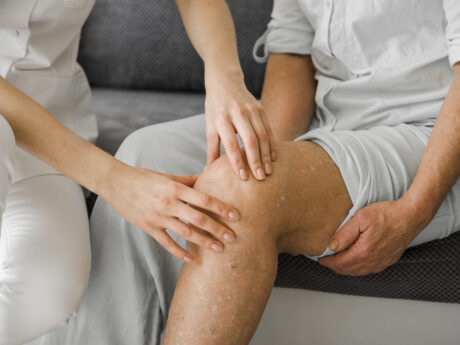
The physical examination allows physicians to visually inspect affected veins. Doctors look for swelling, discoloration, skin texture changes, and signs of poor circulation. Examination usually occurs while standing because veins become more visible under gravitational pressure.
A thorough assessment helps healthcare providers identify patterns associated with chronic venous insufficiency. The physical findings combined with symptom reports provide an initial understanding of the condition.
Although visual examination offers valuable information, additional testing is often necessary to evaluate vein function beneath the skin. This ensures treatment recommendations are based on accurate diagnostic data rather than appearance alone.
The Role of Duplex Ultrasound in Diagnosis
Duplex ultrasound is considered the gold standard for diagnosing vein disorders. This noninvasive imaging test allows doctors to evaluate blood flow and examine vein structure in real time.
During the procedure, a technician places a handheld device over the skin. Sound waves create detailed images of veins and blood movement. The test is painless and does not require recovery time.
One of the primary goals is identifying valve dysfunction. Ultrasound can reveal whether blood is flowing in the wrong direction and determine which veins are affected. It can also detect blood clots and other circulation abnormalities.
The information gathered helps physicians map the venous system and understand the source of symptoms. This detailed assessment is essential for creating an effective treatment plan.
Because ultrasound provides highly accurate information, it plays a critical role in determining whether conservative management or medical intervention is appropriate. Most patients undergoing treatment will receive this evaluation as part of their diagnostic workup.
Conservative Treatments Doctors May Recommend
Not all patients require immediate procedures. In many cases, doctors begin with conservative treatment strategies designed to improve circulation and reduce symptoms.
Compression stockings are among the most commonly recommended options. These specialized garments apply gentle pressure to the legs, helping blood move more efficiently toward the heart. Many patients experience reduced swelling and discomfort with regular use.
Lifestyle modifications can also provide significant benefits. Regular exercise promotes healthy circulation, while weight management reduces pressure on leg veins. Doctors may encourage walking and other low-impact activities.
Elevating the legs periodically throughout the day can decrease swelling and improve venous return. Patients who spend long hours standing or sitting are often advised to take frequent movement breaks.
Conservative treatments may not eliminate visible veins, but they can help manage symptoms and slow disease progression. For some individuals, these measures provide sufficient relief without requiring more advanced procedures.
Minimally Invasive Vein Treatment Options
Advancements in vascular medicine have transformed the treatment of vein disorders. Today, many procedures are minimally invasive and performed in outpatient settings.
Endovenous laser therapy uses heat generated by laser energy to close problematic veins. Once sealed, blood is naturally redirected through healthier veins. The treated vein gradually fades over time.
Radiofrequency ablation works in a similar manner but utilizes radiofrequency energy instead of laser energy. Both procedures are highly effective and involve minimal downtime.
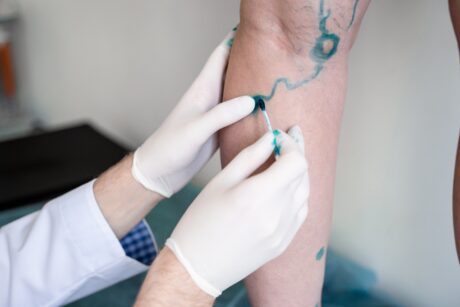
Sclerotherapy is another popular option. During treatment, a specialized solution is injected into affected veins, causing them to collapse and eventually be absorbed by the body. This technique is particularly effective for smaller veins.
These procedures typically require local anesthesia and allow patients to return to normal activities relatively quickly. Modern techniques provide excellent outcomes with less discomfort than traditional surgical approaches.
When Surgical Treatment Is Necessary
Although minimally invasive procedures are often preferred, surgery may still be appropriate for certain patients. Large or severely damaged veins sometimes require more extensive treatment.
Vein ligation and stripping were once common procedures for removing problematic veins. While less frequently performed today, they may be recommended in complex cases where other methods are unsuitable.
Surgical intervention is generally considered when symptoms significantly impact quality of life or when complications such as ulcers occur. The decision depends on individual anatomy, vein condition, and overall health.
Recovery periods vary depending on the procedure performed. Doctors provide detailed postoperative instructions to support healing and reduce complications.
Fortunately, advancements in vein care have reduced the need for traditional surgery. Most patients can now achieve excellent results through less invasive treatments that offer shorter recovery times and fewer risks.
Recovery and Long-Term Management
Recovery after vein treatment is usually straightforward, especially with minimally invasive procedures. Many patients resume normal activities within a day or two.
Doctors often recommend walking immediately after treatment to encourage healthy circulation. Compression stockings may continue to be used during the recovery period to support healing and improve outcomes.
Follow-up appointments allow physicians to monitor progress and confirm treatment success. Additional ultrasound evaluations may be performed to ensure proper vein closure and circulation.
Long-term management focuses on maintaining vascular health. Regular physical activity, healthy weight management, and avoiding prolonged inactivity can reduce the likelihood of future vein problems.
Patients should remain attentive to new symptoms and seek evaluation if concerns arise. Ongoing preventive measures help preserve treatment results and support overall leg health for years to come.
How Early Diagnosis Improves Outcomes
Seeking medical evaluation early can significantly improve treatment outcomes. Delaying care allows vein disease to progress, potentially leading to more severe symptoms and complications.
Early diagnosis enables doctors to identify vein dysfunction before extensive damage occurs. Treatment can often be simpler and more effective during the early stages of disease progression.
Patients who receive timely care frequently experience relief from discomfort, improved mobility, and better cosmetic results. Addressing symptoms promptly can also reduce the risk of skin changes, ulcers, and chronic swelling.
Education plays an important role in prevention and treatment success. Understanding risk factors and recognizing warning signs empowers individuals to take proactive steps toward better vascular health.
By consulting a qualified vein specialist when symptoms first appear, patients can benefit from a wider range of treatment options and achieve more favorable long-term outcomes.
Conclusion
Doctors diagnose and treat vein disorders through a combination of medical history evaluation, physical examination, and advanced imaging techniques such as duplex ultrasound. Once the underlying cause is identified, treatment options range from conservative measures like compression therapy and lifestyle changes to minimally invasive procedures and, in some cases, surgery. Early diagnosis is essential for preventing complications and improving quality of life.
If you are experiencing symptoms associated with varicose veins, professional evaluation can help determine the best course of action. The experienced team at Charming Skin Vein Clinics in Oak Brook provides comprehensive vein assessments and personalized treatment plans designed to improve both comfort and vascular health. To learn more about available treatment options or schedule a consultation, contact Charming Skin Vein Clinics today at 630-974-2400 and take the first step toward healthier legs.