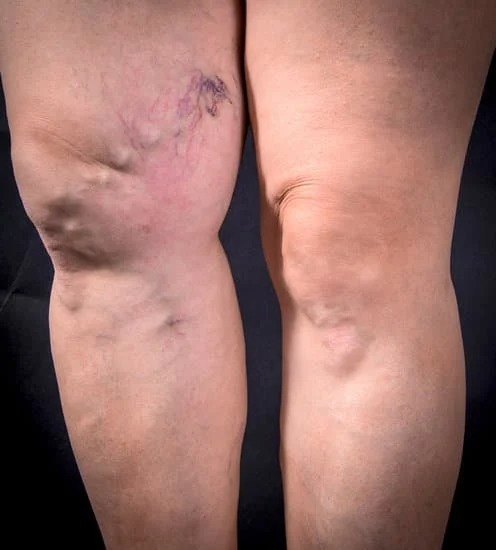
Visible spider veins can be a source of discomfort and self-consciousness, especially when they become increasingly difficult to hide. These tiny, web-like veins—often seen on the legs or face—can develop due to genetics, aging, hormonal shifts, or prolonged standing. While they’re rarely dangerous, their appearance often pushes people to look for effective treatment options. One of the most trusted solutions for eliminating spider veins is sclerotherapy. This minimally invasive procedure targets the root of the problem by closing off the affected veins, leading to clearer, smoother skin over time. Understanding how sclerotherapy works is key to choosing the right treatment for long-term results.
What Causes Spider Veins to Develop
Spider veins often appear when blood vessels just beneath the skin become dilated or damaged. Common triggers include prolonged standing or sitting, which places excess pressure on the lower body’s veins. Over time, this pressure can weaken the vein walls and valves, leading to blood pooling in smaller veins. As blood collects, the veins become more visible, forming red, purple, or blue web-like patterns.
Other contributors include genetics, hormonal changes from pregnancy or menopause, obesity, and even sun exposure—especially in fair-skinned individuals. Though they’re typically harmless, spider veins can signal poor circulation or early venous insufficiency. Spotting the causes behind their development makes it easier to manage your risk factors. When lifestyle changes aren’t enough, cosmetic treatments like sclerotherapy become a reliable path forward for those looking to reduce or eliminate these veins.

How Sclerotherapy Targets Spider Veins
Sclerotherapy is a specialized treatment designed to shrink and eventually eliminate unwanted spider veins. During the procedure, a trained medical provider injects a solution directly into the affected veins. This solution irritates the vein lining, causing it to collapse and seal shut. Over the following weeks, the body naturally absorbs the closed vein, leaving behind smoother, clearer skin.
This process is highly targeted, making it ideal for treating small to medium-sized veins on the legs or face. Because sclerotherapy only treats the damaged veins, healthy veins remain unaffected and continue circulating blood efficiently. Most people begin seeing results within a few sessions, depending on the size and number of veins treated. It’s a practical option for those looking to improve the appearance of spider veins without surgery or downtime, making it a top choice in cosmetic vein care.
The Procedure: What to Expect During Treatment
When you arrive for a sclerotherapy session, the process is typically quick and straightforward. The treatment area is first cleaned, and a fine needle is used to inject the sclerosing solution into the vein. Most patients report only mild discomfort, similar to a pinprick or slight sting. Depending on the number of veins treated, the session usually lasts between 15 to 45 minutes.
Once the procedure is complete, compression stockings or bandages may be applied to help the veins collapse and speed up healing. There’s no need for anesthesia, and patients can usually resume normal activities the same day. Minor bruising or redness around the injection site is common but fades in a few days. With proper care and follow-up, many people find that sclerotherapy fits easily into their routine, providing real improvements without disrupting daily life.
Post-Treatment Care and Recovery Timeline
After undergoing sclerotherapy, it’s important to follow your provider’s aftercare instructions to ensure optimal results. Compression stockings are typically recommended for several days to promote proper blood flow and help the treated veins seal off effectively. Walking regularly also helps prevent blood clots and supports faster healing. While some redness or bruising is normal, these side effects usually subside within a week or two.
Most people can return to their usual routine immediately, although strenuous exercise and hot baths should be avoided for a few days. Treated veins may take several weeks to fade completely, and in some cases, additional sessions may be scheduled. Patience is key, as gradual improvement continues over time. With proper recovery and care, sclerotherapy can provide noticeable and lasting improvements in the appearance of spider veins.
Who Makes a Good Candidate for Sclerotherapy
Not everyone is automatically a fit for sclerotherapy, but many adults with visible spider veins can benefit from this procedure. Ideal candidates are in good general health and not currently pregnant or breastfeeding. Those who have realistic expectations about the results and understand that it may take multiple sessions to fully treat all visible veins are often the most satisfied with their outcomes.
Conditions like deep vein thrombosis or certain clotting disorders may make sclerotherapy unsuitable, so a thorough medical evaluation is essential before treatment. Patients with small to medium-sized spider veins who seek a non-surgical, minimally invasive option usually respond best. If you’re considering this treatment, a consultation with a vein specialist can help determine whether you’re a suitable match and outline a personalized treatment plan tailored to your needs.
Benefits Beyond Cosmetic Improvement
While many seek sclerotherapy to reduce the visible appearance of spider veins, the benefits go beyond aesthetics. For some individuals, spider veins can cause symptoms like aching, itching, or burning, especially after long periods of standing. By closing off the damaged veins, the treatment can relieve these discomforts and improve overall leg comfort and circulation.
Additionally, restoring smoother skin often boosts confidence and encourages people to wear clothing they might have previously avoided. The psychological and emotional lift that comes with improving a physical concern should not be underestimated. By addressing both cosmetic and mild physical discomforts, sclerotherapy offers a well-rounded solution that enhances more than just appearance—it contributes to everyday comfort and confidence in subtle but meaningful ways.
How to Prepare for a Treatment Session
Preparing for your sclerotherapy appointment helps ensure the best possible outcome. You may be advised to avoid certain medications like aspirin or anti-inflammatories that increase bleeding risk. It’s also best to refrain from using lotions or creams on your legs before treatment, as they can interfere with the injection process. Wearing loose, comfortable clothing can make it easier to access the treatment area.
On the day of the procedure, you’ll likely be asked to walk for a few minutes afterward to encourage healthy circulation. Your provider may give specific instructions tailored to your health profile. Preparing mentally is just as important—understanding what the procedure involves and what results to expect can help you feel more confident and relaxed during your appointment. With a bit of planning, your sclerotherapy experience can go smoothly from start to finish.
Possible Side Effects and Safety Considerations
Like any medical procedure, sclerotherapy comes with potential side effects, though most are mild and short-lived. Common side effects include temporary redness, bruising, or slight swelling at the injection site. Some patients may notice small brown spots or tiny new veins that usually fade over time. Serious complications are rare but may include allergic reactions or blood clots in deeper veins.
Choosing a skilled and certified provider reduces the risk of complications and ensures the treatment is carried out safely. It’s important to disclose your full medical history, including any medications or supplements you’re taking, to avoid unwanted interactions. While no procedure is completely without risk, sclerotherapy is generally considered a safe and well-tolerated option for vein treatment when performed under professional care.
Long-Term Results and Maintenance
Results from sclerotherapy are not immediate, but with time, treated veins begin to fade and disappear. Many patients start noticing improvement within a few weeks, though full results may take up to three months. Depending on the severity of your spider veins, multiple sessions may be needed for complete clearance. Once the treated veins are gone, they don’t return—but new veins may form over time.
That’s why some individuals choose periodic maintenance treatments, especially if they’re prone to developing spider veins due to genetics or lifestyle. Staying active, wearing compression stockings, and avoiding long periods of standing can help prolong your results. With the right approach, sclerotherapy can provide long-lasting improvements that enhance both the appearance and comfort of your skin for years to come.
Conclusion
Choosing to treat spider veins can be a powerful step toward feeling more confident in your skin. With the expertise of medical professionals and proven treatments like sclerotherapy, achieving smoother, clearer legs or facial skin is more possible than ever. Whether your concerns are cosmetic or slightly physical, taking action can lead to long-term satisfaction. At Charming Skin Vein Clinics in Oak Brook, IL, we provide personalized care to help you reach your skincare and vein health goals.
Our team is here to guide you every step of the way with professionalism and compassion. Ready to explore your options? Call us today at +1 630-974-1400 to schedule your consultation. Let us help you take the next step toward clearer, healthier-looking skin—because confidence starts with comfort in your appearance.