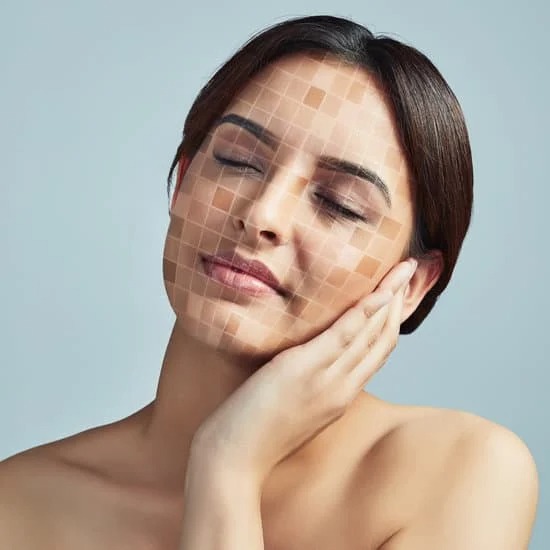
Noticing darker patches or lighter spots on your legs can be frustrating, especially when it feels like no amount of lotion or exfoliation helps. Skin tone irregularities often appear without warning and can be difficult to manage without understanding their root cause. From sun exposure to underlying health conditions, various factors may contribute to these visible changes. Uneven skin tone on legs may also be a sign of inflammation, pigmentation issues, or circulation problems. While some causes are purely cosmetic, others may require medical attention. Knowing what’s behind these changes is the first step toward smoother, more even-toned skin.
Sun Exposure and UV Damage
Spending time outdoors without proper protection can significantly impact the appearance of your legs. Sun exposure triggers the skin to produce more melanin, which can lead to the development of darker patches or sun spots. Over time, repeated UV damage may result in a visibly uneven skin tone on legs, especially if sunscreen isn’t consistently applied. Unlike the face, legs are often overlooked when it comes to sun care, making them more susceptible to discoloration during warmer months.
Prolonged sun exposure may also cause freckles, hyperpigmentation, and rough texture. These changes in skin tone tend to accumulate and become more prominent as you age. Wearing protective clothing or using broad-spectrum sunscreen with a high SPF can reduce the risk of discoloration. Without these protective steps, the skin may begin to reflect long-term sun damage through patchiness, dryness, and uneven pigmentation.

Sun Exposure and UV Damage
Spending time outdoors without proper protection can significantly impact the appearance of your legs. Sun exposure triggers the skin to produce more melanin, which can lead to the development of darker patches or sun spots. Over time, repeated UV damage may result in a visibly uneven skin tone on legs, especially if sunscreen isn’t consistently applied. Unlike the face, legs are often overlooked when it comes to sun care, making them more susceptible to discoloration during warmer months.
Prolonged sun exposure may also cause freckles, hyperpigmentation, and rough texture. These changes in skin tone tend to accumulate and become more prominent as you age. Wearing protective clothing or using broad-spectrum sunscreen with a high SPF can reduce the risk of discoloration. Without these protective steps, the skin may begin to reflect long-term sun damage through patchiness, dryness, and uneven pigmentation.
Post-Inflammatory Hyperpigmentation
When your skin experiences trauma, such as bug bites, scrapes, or rashes, it often reacts by producing more pigment in the affected area. This condition, known as post-inflammatory hyperpigmentation, is one of the leading causes of uneven skin tone on legs. Even after the injury or irritation has healed, the darkened spot can remain for weeks or months, depending on skin type and care routine.
Those with deeper skin tones are especially prone to this type of discoloration, as their skin naturally produces more melanin. Scratching or picking at scabs can also worsen the pigment changes, making the skin tone even more irregular. Proper wound care and avoiding harsh skin treatments can help reduce the risk. Applying calming products and avoiding excessive friction can also minimize the appearance of these post-trauma marks over time.
Poor Circulation and Vascular Issues
Circulation plays a vital role in how your skin looks and feels. When blood flow is compromised—especially in the lower legs—it can result in visible changes, including dark spots, reddish areas, or blotchiness. Conditions such as varicose veins or chronic venous insufficiency are common vascular issues that may lead to uneven skin tone on legs, particularly as the veins struggle to return blood to the heart efficiently.
This buildup of pressure can cause blood to pool under the skin, resulting in discoloration. Over time, this may appear as purple or brownish patches. Even mild cases of poor circulation may cause skin to appear dull or mottled. Staying active, elevating your legs, and wearing compression garments may support better blood flow. However, consistent discoloration may require evaluation by a healthcare provider, as it could indicate a deeper circulatory concern.
Hormonal Changes in the Body
Hormonal fluctuations often play a surprising role in altering the appearance of your skin. Changes in hormone levels—whether due to pregnancy, birth control, or menopause—can cause melanin production to increase in certain areas. This overproduction may result in an uneven skin tone on legs, along with other areas like the face or arms. These shifts may be temporary or persist longer, depending on the underlying cause.
Melasma, a condition typically linked to hormonal changes, can appear on the legs though it’s more common on the face. Additionally, hormone-related pigmentation may become more noticeable when paired with sun exposure. While the skin changes may gradually fade, some individuals notice long-term discoloration that requires skin care adjustments. Avoiding triggers like heat and UV rays may help lessen the impact of hormone-induced pigmentation on the legs.
Skin Conditions and Allergic Reactions
Certain skin conditions such as eczema, psoriasis, and contact dermatitis can cause patchy or uneven skin tone on legs. These conditions often result in chronic inflammation, which may cause areas of the skin to darken or lighten over time. Allergic reactions to lotions, soaps, or fabrics can also contribute to discoloration, particularly if they lead to frequent scratching or irritation.
The repeated cycle of inflammation and healing can leave behind discolored patches. In some cases, light areas may appear where pigment has been lost temporarily or permanently. Managing these skin conditions with appropriate treatment can minimize the risk of pigmentation changes. Being mindful of products used on the skin and wearing breathable clothing may also reduce irritation. Monitoring your skin’s response to external triggers is essential to maintaining a more balanced tone.
Shaving and Hair Removal Effects
Hair removal methods, particularly shaving, can sometimes cause trauma to the skin that leads to discoloration. When done improperly or too frequently, shaving can result in small cuts, razor burn, and ingrown hairs, all of which may contribute to uneven skin tone on legs. These small injuries can leave behind dark marks as they heal, particularly in individuals with more melanin-rich skin.
In addition, using dull razors or harsh depilatory creams may strip the skin’s protective barrier. This increases vulnerability to irritation and pigmentation changes. Switching to gentler methods, using sharp razors, and moisturizing afterward can help prevent these issues. Over time, consistent care and attention to hair removal habits can reduce the buildup of dark spots and help maintain a more even, healthy-looking skin tone.
Aging and Natural Skin Changes
As the body ages, so does the skin’s ability to renew itself. This slowdown in cell turnover can lead to a buildup of dead skin cells and pigment irregularities. The legs, especially when exposed to years of environmental factors, may begin to show signs of uneven skin tone on legs. These age-related changes often appear as liver spots, dryness, or blotchiness that wasn’t there in earlier years.
Thinner skin in older adults can also make veins and blemishes more visible, contributing to the appearance of patchiness. While aging is a natural process, the effects can be more noticeable without regular skin maintenance. Using products that support hydration and cell turnover can help reduce visible unevenness. Gentle exfoliation and sun protection remain important steps for those looking to minimize the visual signs of aging on their legs.
Friction from Clothing or Activities
Constant friction against the skin, especially from tight clothing or repetitive movement, can cause discoloration over time. The inner thighs and lower legs are particularly prone to friction-related pigmentation, especially for individuals who wear snug jeans, leggings, or experience frequent rubbing during exercise. This repeated irritation may lead to darker patches or rough texture, causing an uneven skin tone on legs.
In many cases, the skin responds by thickening and darkening in those areas, especially in warmer climates or during physical activity. Choosing breathable fabrics and ensuring clothing fits properly can help reduce this skin stress. Applying a barrier cream or powder before workouts may also limit chafing. By minimizing repeated friction, it becomes easier to maintain a smoother, more consistent appearance on the skin’s surface.
Lack of Regular Skin Care
Neglecting a consistent skincare routine can lead to buildup of dead skin, dryness, and uneven pigmentation. The legs are often overlooked in daily routines, yet they need just as much attention as the face or hands. Without regular exfoliation and moisturization, the skin on the legs may appear dull, flaky, and uneven. Over time, this contributes to the appearance of an uneven skin tone on legs.
Hydration plays a major role in skin clarity and balance. Dry or cracked skin may absorb products unevenly, leading to patchy results. Adding simple steps such as weekly exfoliation and daily moisturizing can help improve tone and texture. Products with gentle ingredients like lactic acid or urea can promote smoother, more balanced skin. A little extra attention goes a long way toward maintaining healthier-looking legs.
Conclusion
Uneven skin tone on legs can result from a variety of causes, many of which can be managed with the right care and attention. Whether it’s related to sun exposure, hormonal changes, or circulation issues, taking steps early can help restore smoother, more balanced skin. If you’re noticing persistent discoloration or patchy areas that don’t improve, it’s time to seek expert care.
At Charming Skin Vein Clinics in Oak Brook, IL, we offer personalized assessments and advanced treatments to help you achieve clearer, healthier-looking legs. Our experienced team is here to guide you through safe and effective options tailored to your unique skin needs. Don’t wait to feel confident in your skin again.