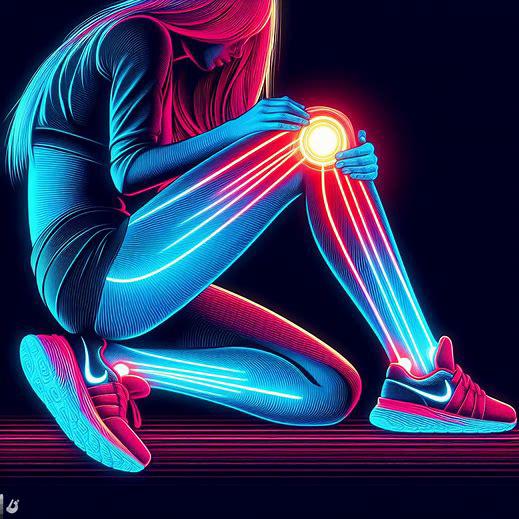
Varicose Veins and Leg Pain: Unraveling the Connection for Effective Prevention and Relief
We’ve all experienced those occasional aches and pains in our legs, but what if I told you that leg pain could be more than just a fleeting discomfort? In this article, we’ll delve into the intriguing world of varicose veins and how they might be the culprit behind that persistent leg pain you’ve been ignoring.
Understanding Varicose Veins
Leg pain is a mysterious signal our body sends, and one possible culprit is varicose veins. These twisted, swollen veins, usually found in the legs, can lead to discomfort and, in some cases, pain.
The Telltale Signs: Is Leg Pain a Symptom?
Leg pain as an Indicator: Ever wondered why your legs ache after a long day? Varicose veins could be the answer. The pain often accompanies other signs, such as visible, bulging veins and a feeling of heaviness in the legs.
Causes Behind Varicose Veins
Culprits in Action: Varicose veins don’t just happen; several factors contribute. Genetics, age, and prolonged standing or sitting can increase your risk. Let’s uncover the science behind these unsightly veins.
Prevention is Key: Lifestyle Changes
Taking Control: Prevention begins with understanding your risk factors. Simple lifestyle adjustments, like regular movement and elevation, can significantly reduce your chances of developing varicose veins.
At-Home Remedies for Varicose Vein Discomfort
DIY Relief: When the pain strikes, there are simple remedies you can try at home. From leg elevation to wearing compression stockings, these tricks can ease the discomfort.
Seeking Professional Help: When to Consult a Doctor
Don’t Ignore the Signs: Persistent pain and visible veins warrant a doctor’s visit. Explore when it’s time to seek professional help and what to expect during a consultation.
{finish}
Conclusion
In conclusion, understanding the relationship between leg pain and varicose veins is crucial for maintaining optimal leg health. By being aware of the signs, causes, and preventive measures, you can take charge of your well-being and ensure your legs stay pain-free.
FAQs
1. Can varicose veins cause severe pain?
Yes, varicose veins can lead to discomfort and, in some cases, cause significant pain. It’s essential to monitor any persistent pain and seek professional advice.
2. Are there natural remedies for varicose vein discomfort?
Certainly! Simple at-home remedies like leg elevation and wearing compression stockings can provide relief from varicose vein discomfort.
3. How can I prevent varicose veins?
Prevention involves lifestyle changes, such as regular movement and elevation. Understanding your risk factors is the first step towards prevention.
4. When should I consult a doctor for leg pain?
Persistent pain and visible veins are signs to consult a doctor. Don’t ignore these symptoms, as timely intervention can prevent complications.
5. Is there a genetic component to varicose veins?
Yes, genetics plays a role in the development of varicose veins. If it runs in your family, you may be at a higher risk, emphasizing the importance of early preventive measures.