
Varicose Veins are a common condition that affects millions of people, often causing discomfort, swelling, and visible, enlarged veins beneath the skin. Many individuals also develop Spider Veins, which are smaller, web-like veins that can impact confidence and sometimes indicate underlying vein issues. One of the most common questions people ask a Varicose Veins Doctor or Veins Specialist is whether these veins can disappear on their own without medical treatment.
Understanding how varicose veins develop and whether they can improve naturally is important for protecting your long-term vein health. While lifestyle changes may help relieve symptoms and slow progression, they usually cannot eliminate damaged veins once they have formed. This guide explains what causes varicose veins, whether they can go away without treatment, and when it is time to seek professional care.
Why Do Varicose Veins Develop?
Varicose veins develop when the valves inside the veins become weak or damaged. These valves normally keep blood flowing toward the heart. When they stop functioning properly, blood begins to pool inside the veins instead of circulating efficiently. The increased pressure causes the veins to enlarge, twist, and become visible beneath the skin.
Several factors contribute to the development of varicose veins. Genetics play a significant role, meaning people with a family history of vein disease are more likely to develop the condition. Aging also weakens vein walls and valves over time, making circulation less efficient.
Lifestyle factors can further increase the risk. Standing or sitting for long periods, obesity, pregnancy, and lack of regular exercise all place additional pressure on the veins. Although these factors may accelerate vein problems, they do not necessarily cause them on their own.
Spider veins often develop for similar reasons but involve much smaller blood vessels near the surface of the skin. While they are generally considered cosmetic, they can sometimes indicate underlying venous insufficiency.
Understanding the root cause helps explain why lifestyle improvements alone cannot reverse damaged vein valves once they have failed.
Can Varicose Veins Disappear Naturally?
Many people hope their varicose veins will eventually fade without treatment. Unfortunately, once a vein has become enlarged because of damaged valves, it usually does not return to normal on its own.
The body’s natural healing processes cannot repair severely weakened vein valves. As a result, the affected vein continues to allow blood to collect, keeping it enlarged and visible. While symptoms may fluctuate from day to day, the structural damage typically remains.
Some people notice temporary improvements after elevating their legs, exercising regularly, or wearing compression stockings. These measures help improve circulation and reduce swelling, making veins appear less noticeable. However, they do not eliminate the damaged veins.
Spider veins may sometimes appear less visible over time, but they also rarely disappear completely without professional treatment.
Early evaluation by a vein specialist can determine whether the condition is likely to progress. Receiving an accurate diagnosis allows patients to explore treatment options before symptoms worsen or complications develop.
Can Lifestyle Changes Improve Symptoms?
Although lifestyle changes cannot remove varicose veins, they often play an important role in reducing discomfort and slowing disease progression. Healthy daily habits can improve blood circulation and reduce pressure inside the leg veins.
Regular walking is one of the most effective forms of exercise for promoting healthy circulation. The calf muscles act as natural pumps, helping blood move upward toward the heart instead of pooling in the legs.
Maintaining a healthy body weight also reduces pressure on the veins. Excess weight places additional strain on the circulatory system, making symptoms worse over time.
Elevating the legs several times each day can temporarily reduce swelling and improve comfort. Many people also benefit from avoiding prolonged standing or sitting by taking short walking breaks throughout the day.
Compression stockings are another commonly recommended option. They apply gentle pressure that supports healthy blood flow and reduces swelling during daily activities.
While these strategies cannot repair damaged veins, they often improve quality of life and help patients manage symptoms until professional treatment becomes appropriate.
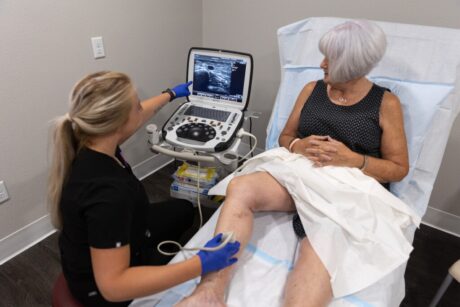
When Should You See a Varicose Veins Doctor?
Not every visible vein requires immediate medical treatment, but certain symptoms should never be ignored. Persistent pain, swelling, heaviness, or aching in the legs may indicate worsening venous disease.
Some individuals experience nighttime leg cramps, itching around affected veins, or skin discoloration near the ankles. These symptoms often suggest that blood circulation has become significantly impaired.
In advanced cases, untreated varicose veins can lead to skin ulcers, bleeding veins, or blood clots. Early evaluation helps prevent these more serious complications.
A varicose veins doctor performs a thorough examination and often uses ultrasound imaging to evaluate blood flow inside the veins. This painless diagnostic test identifies damaged valves and determines the extent of venous insufficiency.
Seeking care early often provides more treatment options and may reduce the risk of future complications. Patients frequently discover that minimally invasive procedures can effectively treat problem veins with minimal recovery time.
What Treatments Are Available Today?
Modern vein treatment has advanced significantly over the past several decades. Most procedures today are minimally invasive and performed in an outpatient setting without the need for major surgery.
Endovenous laser therapy and radiofrequency ablation use heat energy to close damaged veins, allowing blood to reroute through healthier vessels. These treatments typically involve small incisions and relatively quick recovery periods.
Sclerotherapy is commonly recommended for spider veins and certain smaller varicose veins. During the procedure, a specialized solution is injected into the affected vein, causing it to collapse and gradually fade.
Some larger or more complex veins may require additional procedures such as ambulatory phlebectomy, where damaged veins are removed through tiny skin openings.
Treatment recommendations depend on the severity of vein disease, overall health, symptoms, and personal goals. A personalized evaluation helps determine the most appropriate approach for each patient.
Today’s minimally invasive treatments offer high success rates while allowing many patients to return to normal activities within a short period.
Are Spider Veins Different from Varicose Veins?
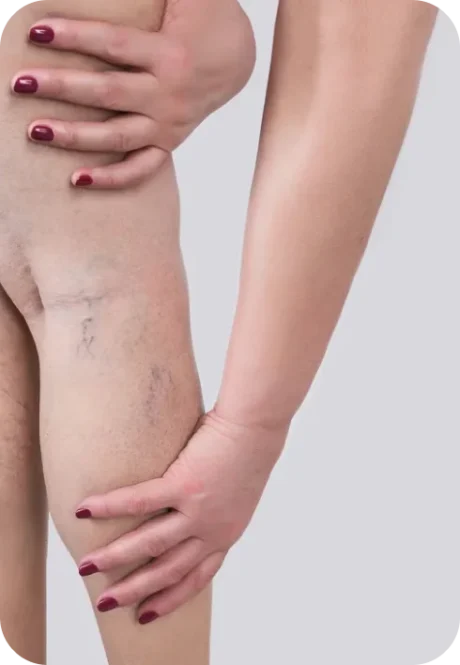
Although spider veins and varicose veins are closely related, they differ in appearance, size, and severity. Spider veins are small, thin blood vessels that appear near the skin’s surface, often forming red, blue, or purple web-like patterns.
Varicose veins are much larger and usually bulge outward from the skin. They often develop because deeper vein valves have become damaged, leading to blood pooling within the veins.
Spider veins are generally considered a cosmetic concern, although some people experience mild discomfort or burning sensations. Varicose veins are more likely to cause pain, heaviness, swelling, and fatigue in the legs.
Both conditions share many of the same risk factors, including aging, pregnancy, genetics, prolonged standing, and obesity.
A veins specialist can determine whether visible spider veins represent an isolated cosmetic issue or are associated with deeper vein disease requiring further treatment.
Proper diagnosis ensures patients receive the most effective care while preventing progression of underlying venous insufficiency when present.
Can Untreated Varicose Veins Become Worse?
In many cases, untreated varicose veins gradually worsen over time. Because damaged vein valves cannot repair themselves, blood continues pooling inside the affected veins, increasing pressure throughout the venous system.
As the condition progresses, veins may enlarge further and symptoms often become more frequent. Patients commonly report increased swelling after standing, worsening leg fatigue, and greater discomfort during daily activities.
Long-term venous insufficiency may also cause skin changes, including discoloration, thickening, or inflammation around the ankles. Without treatment, some individuals eventually develop slow-healing ulcers that require ongoing medical care.
Although not every case progresses rapidly, delaying evaluation increases the likelihood that symptoms will worsen over time.
Early treatment often provides better long-term outcomes and helps preserve healthy circulation before significant complications develop.
Monitoring symptoms and seeking medical advice promptly allows patients to make proactive decisions about their vascular health instead of waiting until problems become more difficult to manage.
How Can a Veins Specialist Help?
A veins specialist focuses on diagnosing and treating conditions that affect the veins and circulation. Their expertise allows them to identify the underlying cause of symptoms rather than simply treating visible veins.
The evaluation usually begins with a detailed medical history, physical examination, and ultrasound imaging. These steps help determine which veins are functioning normally and which have damaged valves.
Based on the findings, the specialist develops a personalized treatment plan tailored to each patient’s condition, lifestyle, and health goals.
Patients also receive education about maintaining healthy circulation through exercise, weight management, compression therapy, and other preventive measures.
Modern vein care emphasizes minimally invasive techniques that minimize discomfort while delivering effective, long-lasting results.
Working with an experienced veins specialist gives patients access to accurate diagnosis, individualized care, and ongoing support throughout every stage of treatment and recovery.
Conclusion
Varicose veins rarely disappear without medical treatment because damaged vein valves cannot repair themselves naturally. While healthy habits such as exercise, leg elevation, weight management, and compression stockings can reduce symptoms and slow progression, they cannot eliminate existing varicose veins or spider veins. Seeking evaluation from an experienced Varicose Veins Doctor or Veins Specialist allows patients to receive an accurate diagnosis and explore today’s safe, minimally invasive treatment options before complications develop.
If you’re experiencing leg discomfort or visible vein changes, Charming Skin Vein Clinics (Oakbrook) provides comprehensive vein evaluations and personalized treatment plans to help restore your comfort and confidence. Conveniently located in Oakbrook, the clinic offers advanced care for both varicose veins and spider veins. To schedule a consultation or learn more about your treatment options, call 630-974-2400 today.