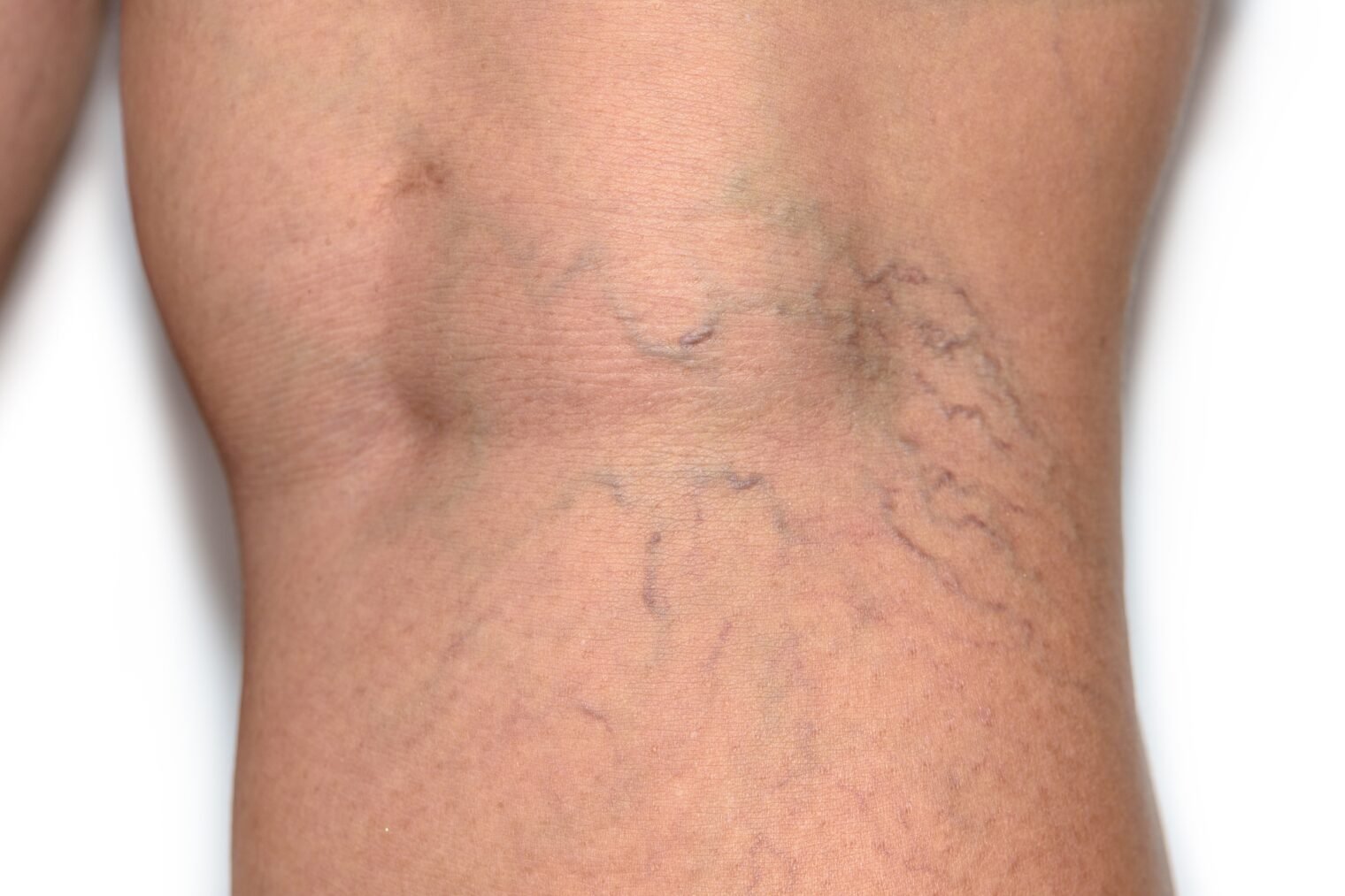
Many people notice small, web-like veins forming on their legs or face over time—these are commonly known as spider veins. While they’re typically harmless, they can affect confidence and comfort. Fortunately, there are simple ways to address them right at home. With consistent self-care and healthy habits, it’s possible to reduce their appearance and prevent new ones from forming. Understanding what causes spider veins and adopting a few lifestyle changes can make a visible difference without the need for medical procedures.
Causes Behind the Development of Spider Veins
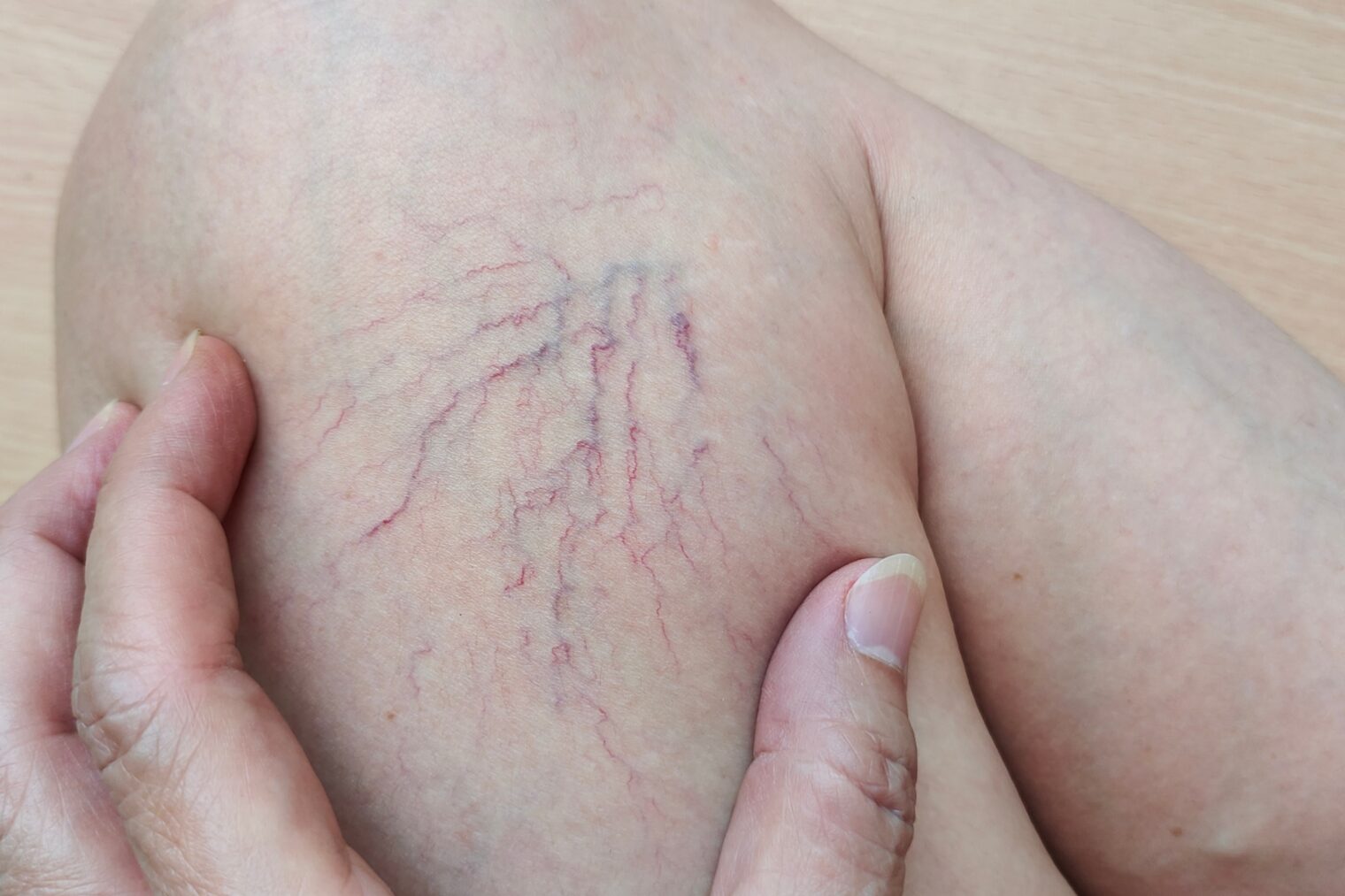
Spider veins often form due to increased pressure in the veins, which can result from prolonged sitting or standing. When blood pools in the veins and doesn’t circulate properly, the vein walls can weaken and expand, leading to visible red, blue, or purple lines just beneath the skin’s surface. Genetics also plays a big role—if close family members have them, you may be more prone to developing them as well.
Other contributing factors include hormonal changes, obesity, aging, and sun exposure, particularly for spider veins on the face. Wearing tight clothing or high heels frequently can also hinder proper blood flow. Recognizing these common causes can help you take proactive steps in your daily routine to minimize the appearance of spider veins and reduce the risk of new ones forming without the need for invasive treatments.
Elevating Your Legs to Support Healthy Circulation
One of the simplest ways to promote healthy vein function is by elevating your legs whenever possible. Raising your legs above heart level for at least 15 minutes a few times a day can help encourage blood to flow back toward the heart, easing pressure in your lower veins. This position supports natural circulation and may reduce the visibility of spider veins over time.
It’s especially helpful after long hours of standing or sitting. Pair this habit with deep breathing or light stretching for an added boost to your vascular health. Doing this consistently can be a relaxing and highly beneficial addition to your self-care routine. Making leg elevation a regular part of your day may gradually minimize spider veins while also reducing swelling and fatigue in your legs.
Benefits of Wearing Compression Garments
Compression stockings or sleeves are a practical and widely recommended way to ease the pressure in your legs. These garments work by applying gentle, graduated pressure to the lower limbs, helping to improve circulation and reduce the pooling of blood in surface veins. As a result, they can help reduce the formation and visibility of spider veins.
These can be worn during daily activities, especially if you stand or sit for extended periods. Choose the right level of compression based on comfort and need—mild compression is often enough for minor symptoms. Compression wear is also useful when traveling or recovering after being on your feet for a long time. Over time, consistent use may lessen discomfort and help prevent spider veins from worsening or becoming more widespread.
Movement Throughout the Day for Vein Support
Staying active is one of the most effective ways to maintain proper blood flow and keep vein-related issues at bay. Gentle activities such as walking, stretching, or even short bursts of movement throughout your workday can promote circulation and reduce pressure in your veins. This regular movement is particularly helpful for those with sedentary jobs or lifestyles.
Aim to avoid sitting or standing in one position for too long. If you work at a desk, stand up and stretch every hour. Simple calf raises or ankle rolls can also make a difference. Supporting your circulatory health with regular activity can naturally help reduce the appearance of spider veins and may also improve overall leg comfort and strength over time.
Hydrating and Nourishing Your Body Internally
Drinking plenty of water and consuming a balanced diet rich in antioxidants, fiber, and anti-inflammatory nutrients can support vein health from the inside out. Dehydration can thicken the blood slightly, making circulation more sluggish, while poor nutrition may weaken vein walls over time, contributing to the formation of spider veins.
Include foods like berries, citrus fruits, leafy greens, and whole grains in your meals. These offer essential nutrients that protect and strengthen blood vessels. At the same time, reducing excess salt and sugar intake can help prevent inflammation and water retention, which can worsen visible veins. Hydrating properly and nourishing your body with supportive foods is a long-term strategy that not only benefits your veins but your overall wellness as well.
Avoiding Prolonged Sitting or Standing Periods
Remaining in the same position for too long—whether standing or sitting—can place extra strain on your veins. This lack of movement makes it harder for blood to flow upward from the legs, which can lead to spider veins forming or becoming more pronounced. Breaking up long periods of inactivity is essential for better vein support.
Try to change positions every 30 to 60 minutes. If you must stand for long durations, shift your weight between your legs, or perform subtle calf exercises. When sitting, avoid crossing your legs, which can restrict circulation. Adding small changes like these to your daily habits can significantly reduce the strain on your veins and help keep spider veins from progressing.
Choosing the Right Footwear for Vein Health
Footwear plays a more important role in vein health than many people realize. High heels and shoes that lack arch support can restrict natural muscle movement in the calves, which is crucial for aiding blood flow from the legs to the heart. Poor circulation caused by inappropriate shoes can contribute to the appearance of spider veins.
Opt for supportive, flat or low-heeled shoes with cushioned soles and proper arch support. These allow your foot and leg muscles to engage more fully, improving circulation and vein function. If you’re on your feet often, consider rotating your footwear throughout the week. Making smart shoe choices may not eliminate existing spider veins, but it can help prevent new ones from developing.
Sun Protection to Reduce Facial Spider Veins
Spider veins aren’t limited to the legs—they also commonly appear on the face, especially around the nose and cheeks. Sun exposure can damage skin and weaken the small blood vessels near the surface, making spider veins more visible. Consistently protecting your skin from the sun is key in preventing their development.
Use broad-spectrum sunscreen with at least SPF 30 daily, even on cloudy days. Wear wide-brimmed hats and seek shade when outdoors for extended periods. These protective habits help preserve the strength of your skin and veins. Limiting UV exposure not only helps in reducing the chance of new spider veins forming but also maintains a more even and healthy skin tone over time.
Conclusion
Making small, consistent changes at home can make a noticeable difference in the appearance of spider veins. From elevating your legs to wearing supportive shoes, these simple habits promote healthier circulation and help prevent future vein issues. However, if your spider veins persist or cause discomfort, professional care may offer more lasting results.
At Charming Skin Vein Clinics in Oak Brook, IL, our experienced team provides customized treatments designed to target vein concerns with care and precision. Whether you’re looking to improve comfort or restore confidence in your skin, we’re here to help you explore the best options for your needs.
Schedule your consultation today by calling 630-974-1400 and take the first step toward smoother, more radiant skin with the help of trusted vein care professionals.