
Varicose veins are a common vascular condition that affects millions of people across the United States. For many residents dealing with Varicose Veins in Chicago, the condition can be more than a cosmetic concern. Enlarged, twisted veins often cause discomfort, swelling, aching, and other symptoms that can impact daily life. Understanding why varicose veins develop is an important first step toward prevention and treatment.
The veins in your legs work hard to return blood back to your heart. When the valves inside these veins weaken or become damaged, blood can pool and cause the veins to enlarge. Several factors contribute to this process, including genetics, age, lifestyle habits, and certain health conditions. In this article, we’ll explore the most common reasons people develop varicose veins and what can be done to manage them effectively.
Understanding What Varicose Veins Are
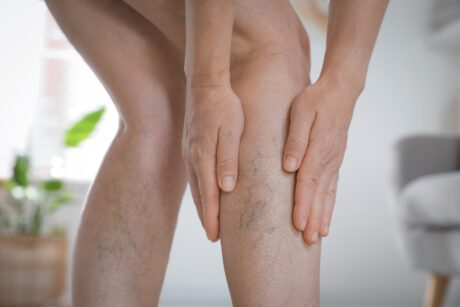
Varicose veins are enlarged, twisted veins that typically appear on the legs and feet. They develop when the valves inside the veins stop functioning properly. These valves normally help blood flow upward toward the heart, but when they weaken, blood can flow backward and collect in the vein.
As pressure builds, the vein stretches and becomes visible beneath the skin. Many people notice blue or purple bulging veins, while others experience symptoms such as aching, heaviness, burning sensations, or swelling. The severity of symptoms can vary significantly from person to person.
Although varicose veins are often considered a cosmetic issue, they can sometimes lead to more serious complications if left untreated. Chronic swelling, skin discoloration, and venous ulcers may develop in advanced cases. This is why recognizing early signs and seeking professional evaluation is important.
In a busy urban environment where many people spend long hours sitting or standing, awareness of vein health is particularly valuable. Understanding the underlying causes allows individuals to make informed decisions about prevention and treatment before symptoms worsen.
Genetics Play a Major Role
One of the strongest risk factors for developing varicose veins is family history. If one or both parents have experienced vein disease, there is a significantly higher likelihood that their children will develop similar issues.
Inherited vein weakness often affects the structure of vein walls and valves. Over time, these inherited characteristics make it easier for blood to pool in the legs. Even individuals who maintain healthy lifestyles may still develop varicose veins due to genetic predisposition.
Many patients are surprised to learn that genetics can influence vein health decades before symptoms become visible. A person may not notice any signs during their younger years, but the effects often become more apparent with age.
While genetics cannot be changed, early intervention can help minimize progression. People with a family history of vein disease should pay close attention to symptoms such as leg fatigue, swelling, or visible veins. Routine monitoring and healthy habits may reduce the likelihood of severe vein problems developing later in life.
Aging and Vein Valve Weakness
As people age, the body’s tissues naturally lose some of their strength and elasticity. Veins are no exception. The valves responsible for directing blood flow gradually weaken over time, making it more difficult for blood to move efficiently back toward the heart.
This age-related decline increases the risk of blood pooling in the legs. The veins become stretched and enlarged, eventually leading to visible varicose veins. Many adults begin noticing symptoms in their forties, fifties, or later years.
Aging also contributes to reduced circulation and slower recovery from daily physical stress. Combined with other risk factors, such as prolonged standing or excess weight, the likelihood of developing vein disease increases substantially.
Although aging cannot be prevented, maintaining physical activity and a healthy lifestyle can support circulation. Early evaluation of symptoms may help identify vein issues before they progress into more advanced stages that require extensive treatment.
How Prolonged Standing or Sitting Affects Veins
Many occupations require workers to spend long periods either standing or sitting. Teachers, healthcare professionals, retail employees, office workers, and drivers are particularly vulnerable to vein-related problems.
When a person remains in one position for extended periods, blood circulation slows down. The calf muscles act as a natural pump that helps move blood upward through the legs. Limited movement reduces this pumping action, allowing blood to accumulate in the veins.
Over time, the added pressure can weaken vein walls and valves. This is one reason why Varicose Veins in Chicago are frequently seen among individuals working demanding jobs that involve repetitive standing or sedentary desk work.
Simple strategies such as taking short walking breaks, stretching throughout the day, and elevating the legs after work can support circulation. Small changes in daily habits may significantly reduce strain on the veins and help maintain long-term vascular health.
Excess Weight Increases Vein Pressure
Carrying excess body weight places additional pressure on the circulatory system. The veins in the legs must work harder to push blood upward against gravity, increasing stress on the vein walls and valves.
As this pressure builds, veins can become enlarged and weakened. Obesity is widely recognized as a significant risk factor for varicose veins and other forms of chronic venous insufficiency.
In addition to increased pressure, excess weight often contributes to reduced physical activity levels. Less movement further decreases circulation and increases the likelihood of blood pooling in the lower extremities.
Weight management can play an important role in vein health. Even moderate weight loss may help reduce symptoms, improve circulation, and decrease the risk of progression. Combined with regular exercise and healthy eating habits, maintaining a healthy weight can support overall vascular function and reduce strain on the veins.
Pregnancy and Hormonal Changes
Pregnancy is another common factor associated with varicose veins. During pregnancy, the body undergoes numerous changes that affect blood circulation and vein function.
Hormonal fluctuations cause blood vessels to relax and expand. At the same time, increased blood volume places additional demands on the circulatory system. As the growing uterus applies pressure to pelvic veins, blood flow from the legs can become restricted.
These factors create ideal conditions for varicose veins to develop. Many women notice symptoms during pregnancy, particularly in the second and third trimesters. While some veins improve after delivery, others may remain visible.
Hormonal changes outside of pregnancy can also influence vein health. Menopause, hormone replacement therapy, and certain medications may affect circulation and vein elasticity. Understanding these connections allows individuals to discuss risk factors with healthcare providers and explore appropriate preventive measures.
Lack of Physical Activity and Poor Circulation
Regular movement plays a critical role in healthy blood circulation. Physical activity strengthens the calf muscles, which help pump blood from the legs back toward the heart.
When people lead sedentary lifestyles, circulation becomes less efficient. Blood is more likely to pool in the lower extremities, increasing pressure inside the veins. Over time, this can contribute to valve dysfunction and vein enlargement.
Many modern lifestyles involve long periods spent sitting at desks, commuting, or using electronic devices. These habits may contribute to the growing prevalence of Varicose Veins in Chicago and other urban communities.
The Impact of Lifestyle Choices
Certain lifestyle habits can increase the risk of developing varicose veins. Smoking, poor dietary choices, and inadequate hydration may negatively affect circulation and vascular health.
Smoking damages blood vessels and contributes to inflammation throughout the circulatory system. A diet lacking essential nutrients may weaken connective tissues that support healthy veins. High sodium intake can also contribute to fluid retention and leg swelling.
Lifestyle factors often work together with genetic and environmental influences. While they may not be the sole cause of varicose veins, they can accelerate progression and worsen symptoms.
Why Early Diagnosis Matters
Many people ignore early signs of vein disease because symptoms appear minor at first. However, early diagnosis can prevent complications and improve treatment outcomes.
Symptoms such as leg heaviness, swelling, itching, cramping, or visible veins should not be overlooked. These signs may indicate underlying venous insufficiency that can worsen over time if left untreated.
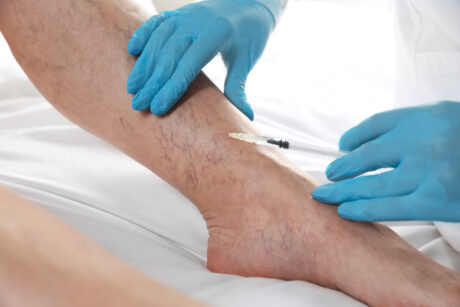
Modern vein treatments are highly effective and minimally invasive. Early intervention often results in shorter recovery times and better symptom relief. Healthcare providers can evaluate vein function using advanced diagnostic tools and recommend personalized treatment options.
Conclusion
Varicose veins develop for many reasons, including genetics, aging, prolonged standing or sitting, excess weight, pregnancy, inactivity, and lifestyle factors. While some risk factors cannot be controlled, many can be managed through healthy habits and early medical attention. Understanding the causes behind Varicose Veins in Chicago empowers individuals to take proactive steps toward protecting their vein health.
If you are experiencing symptoms such as swelling, aching legs, or visible enlarged veins, professional evaluation can help identify the underlying cause and determine the most effective treatment plan. The experienced team at Charming Skin Vein Clinics proudly serves patients throughout Chicago, providing comprehensive vein care and personalized treatment solutions. To learn more or schedule a consultation, call +1 630-974-1400 today.