
Varicose veins are a common condition that affects millions of people worldwide. These enlarged, twisted veins most often appear in the legs and feet, developing when weakened vein walls and malfunctioning valves interfere with proper blood flow. While many individuals view varicose veins as a cosmetic issue, they can sometimes signal underlying circulation problems that deserve medical attention.
Understanding whether varicose veins are a serious health concern is important because untreated vein conditions may lead to discomfort, reduced quality of life, and, in some cases, complications. Learning about the causes, symptoms, risk factors, and available treatments can help individuals make informed decisions about their vascular health. In this article, we will explore the potential health impacts of varicose veins and discuss when professional evaluation may be necessary.
What Are Varicose Veins?
Varicose veins are enlarged veins that become visible beneath the skin’s surface. They typically appear blue, purple, or dark in color and often have a twisted or bulging appearance. The condition occurs when vein valves, which normally help blood flow toward the heart, weaken or become damaged.
When these valves do not function properly, blood can pool inside the veins instead of circulating efficiently. This increased pressure causes the veins to stretch and enlarge over time. The legs are particularly vulnerable because gravity makes it more difficult for blood to travel upward toward the heart.
Many people first notice varicose veins because of their appearance. However, the condition can also cause physical symptoms, including aching, heaviness, swelling, and fatigue in the legs. Symptoms may worsen after long periods of standing or sitting.
Although varicose veins can affect anyone, they are more common among older adults, women, and individuals with a family history of vein disease. Understanding the condition is the first step toward recognizing when treatment may be beneficial.
Why Do Varicose Veins Develop?
Several factors contribute to the development of varicose veins. One of the most significant causes is age-related wear and tear on the veins and their valves. As people get older, vein walls can lose elasticity, making it harder for blood to move efficiently.
Genetics also play an important role. Individuals with close family members who have experienced vein problems are more likely to develop the condition themselves. Hereditary factors can influence vein strength and valve function.
Pregnancy is another common contributor. Increased blood volume, hormonal changes, and pressure from the growing uterus can place additional stress on the veins in the legs. While some pregnancy-related vein changes improve after childbirth, others may persist.
Lifestyle factors such as prolonged standing, obesity, and lack of physical activity can also increase pressure within the veins. Over time, this pressure can weaken the vascular system and contribute to the formation of visible varicose veins.
Understanding these risk factors allows individuals to take preventive measures and seek early intervention when necessary.
Are Varicose Veins Always Dangerous?
In many cases, varicose veins are not immediately dangerous. For some individuals, the condition causes minimal symptoms and remains stable for years without leading to major complications. However, this does not mean the condition should be ignored.
Even when varicose veins appear mild, they may indicate chronic venous insufficiency, a condition in which blood struggles to return efficiently to the heart. Over time, poor circulation can affect surrounding tissues and lead to additional health concerns.
The severity of symptoms varies from person to person. Some individuals experience only cosmetic concerns, while others deal with persistent pain, swelling, itching, and discomfort that interfere with daily activities.
Healthcare providers often recommend monitoring symptoms and evaluating any changes. Early assessment can help determine whether treatment is needed to prevent progression and improve overall circulation.
Recognizing that varicose veins exist on a spectrum of severity can help patients make informed decisions about their vascular health.
Common Symptoms Associated With Varicose Veins
Symptoms of varicose veins can range from mild discomfort to significant physical limitations. One of the most common complaints is aching or throbbing pain in the legs, especially after standing for extended periods.
Many people also experience feelings of heaviness, fatigue, or tightness in the affected limbs. These sensations often become more noticeable later in the day when blood has accumulated in the lower extremities.
Swelling around the ankles and lower legs is another frequent symptom. Fluid buildup can occur when circulation becomes less efficient, contributing to discomfort and reduced mobility.
Skin changes may develop as the condition progresses. Individuals may notice dryness, itching, discoloration, or irritation around affected veins. In more advanced cases, these changes can become chronic and require medical attention.
Paying attention to symptoms can help identify when professional evaluation is appropriate and whether treatment options should be considered.
Potential Complications of Untreated Varicose Veins
Although many cases remain manageable, untreated varicose veins can sometimes lead to complications. One potential issue is chronic swelling, which may worsen over time and affect daily comfort.
Skin changes are another concern. Poor circulation can cause discoloration, inflammation, and thickening of the skin. These changes often develop gradually and may become difficult to reverse without treatment.
Venous ulcers represent a more serious complication. These slow-healing wounds typically develop near the ankles and result from prolonged pressure within damaged veins. Ulcers can be painful and increase the risk of infection.
Blood clots may also occur in some cases. Superficial thrombophlebitis involves inflammation and clotting within veins close to the skin’s surface. While not always life-threatening, it requires medical evaluation.
Understanding these potential complications highlights the importance of monitoring symptoms and seeking appropriate care when necessary.
When Should You See a Vein Specialist?
Consulting a vein specialist is recommended when symptoms begin affecting comfort, mobility, or quality of life. Persistent pain, swelling, or leg fatigue should not be dismissed as normal aging.
Individuals who notice skin discoloration, sores, or unusual changes around affected veins should seek medical attention promptly. These signs may indicate advancing venous disease that requires professional treatment.
Sudden increases in swelling, redness, warmth, or tenderness should also be evaluated. These symptoms could suggest inflammation or clot-related complications that need immediate assessment.
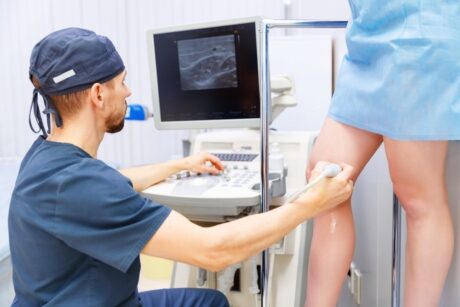
A vein specialist can perform diagnostic testing, including ultrasound imaging, to evaluate blood flow and identify underlying issues. This information helps determine the most appropriate treatment plan.
Early intervention often leads to better outcomes and can prevent the condition from progressing into more serious stages.
Modern Treatment Options for Varicose Veins
Advancements in vascular medicine have made treatment more effective and less invasive than ever before. Many procedures can now be performed in outpatient settings with minimal downtime.
Compression therapy is often recommended as an initial management strategy. Compression stockings help improve circulation by supporting vein function and reducing swelling.
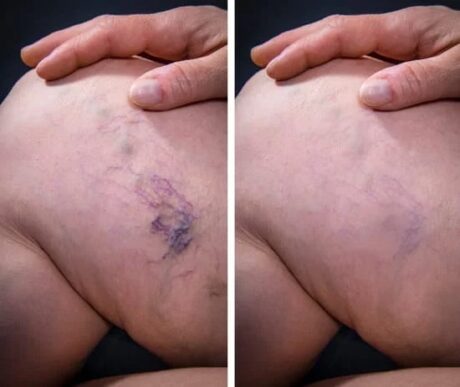
For more advanced cases, minimally invasive procedures such as sclerotherapy, endovenous laser therapy, and radiofrequency ablation may be considered. These treatments target damaged veins while preserving healthy circulation.
Patients frequently appreciate these modern options because they require smaller incisions, shorter recovery times, and less discomfort compared to traditional surgical approaches.
A qualified specialist can recommend the most appropriate treatment based on symptom severity, vein anatomy, and overall health.
Can Varicose Veins Be Prevented?
While not all cases can be prevented, certain lifestyle habits may reduce the likelihood of developing varicose veins or slow their progression. Regular physical activity promotes healthy circulation and strengthens the muscles that help move blood through the legs.
Maintaining a healthy weight can also reduce pressure on the veins. Excess body weight places additional strain on the circulatory system and may increase the risk of vein problems.
Avoiding prolonged periods of sitting or standing can be beneficial. Taking short walking breaks and changing positions throughout the day encourages blood flow and reduces pooling.
Elevating the legs periodically may help relieve pressure and improve circulation. These simple habits can support long-term vascular health and reduce symptom severity.
Although prevention is not always possible, healthy lifestyle choices can play a meaningful role in managing risk.
Conclusion
So, are varicose veins a serious health concern? The answer depends on the severity of the condition and the symptoms involved. While some individuals experience only cosmetic concerns, others may develop discomfort, swelling, skin changes, or complications that affect their quality of life. Early recognition and proper medical evaluation are essential for preventing progression and maintaining healthy circulation.
If you are experiencing symptoms or have concerns about your vein health, professional guidance can help determine the most effective course of action. The experienced team at Charming Skin Vein Clinics proudly serves patients throughout Oak Brook with personalized vein care solutions. To learn more about treatment options or schedule a consultation, contact Charming Skin Vein Clinics today at 630-974-2400 and take the first step toward healthier legs and improved vascular wellness.