
Varicose veins and spider veins are among the most common vein conditions affecting millions of people each year. While they are often viewed as cosmetic concerns, they can also indicate underlying circulation issues that deserve medical attention. If you have noticed enlarged, twisted veins or thin, web-like veins appearing on your legs, understanding their causes is the first step toward protecting your vein health. A qualified varicose veins doctor or experienced veins specialist can evaluate your symptoms and recommend the most effective treatment options.
Learning why these vein conditions develop can help you recognize risk factors, prevent further progression, and seek treatment before complications arise. This guide explains the common causes of varicose veins and venas de araña, who is most at risk, and when it is time to consult a vein specialist.
How Healthy Veins Work
Healthy veins play an essential role in returning blood from your legs back to your heart. Inside the veins are tiny one-way valves that prevent blood from flowing backward. As your leg muscles contract while walking or moving, they help push blood upward against gravity.
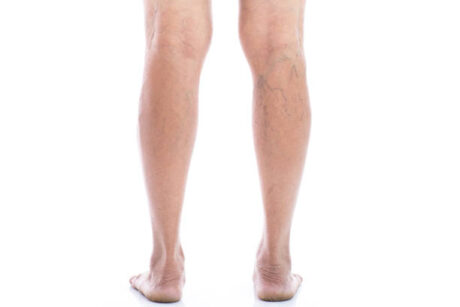
When these valves weaken or become damaged, blood begins to pool inside the veins instead of moving efficiently toward the heart. The increased pressure causes veins to stretch, enlarge, and become visible beneath the skin. Larger swollen veins are known as varicose veins, while smaller red, blue, or purple veins closer to the surface are called venas de araña.
Although both conditions develop because of poor vein function, they differ in size, appearance, and symptoms. Varicose veins often produce aching, heaviness, swelling, and discomfort, whereas spider veins are usually painless but may become more noticeable over time.
Understanding how veins normally function makes it easier to understand why valve damage eventually leads to chronic vein disease. Early diagnosis by a qualified varicose veins doctor helps prevent worsening symptoms and identifies the most appropriate treatment before more serious complications develop.
What Causes Varicose Veins?
Varicose veins develop when increased pressure inside the veins weakens the vein walls and damages the valves responsible for directing blood flow. As blood begins to collect within the vein, it enlarges, twists, and becomes visible beneath the skin.
Several factors contribute to this process. Aging naturally weakens vein walls and reduces valve efficiency over time. Standing or sitting for extended periods also increases pressure in the leg veins because blood must work harder to return to the heart.
Weight gain places additional strain on the circulatory system, while pregnancy temporarily increases blood volume and hormone levels that relax vein walls. Previous leg injuries and certain medical conditions affecting circulation may also contribute to vein damage.
Although some people experience only cosmetic concerns, untreated varicose veins may eventually cause aching, swelling, skin discoloration, inflammation, or even venous ulcers. Visiting a veins specialist allows patients to receive an accurate diagnosis and determine whether conservative care or minimally invasive treatment is appropriate based on the severity of their condition.
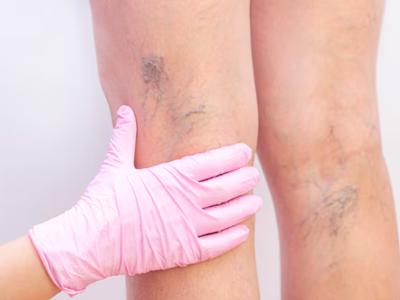
Why Spider Veins Develop
Spider veins form for many of the same reasons as varicose veins but affect much smaller blood vessels located close to the surface of the skin. These delicate veins become enlarged when pressure builds within the tiny vessels, causing them to appear as thin branching lines or web-like patterns.
Hormonal changes frequently contribute to spider vein formation. Pregnancy, menopause, and hormonal medications may increase the likelihood of developing these visible veins. Sun exposure can also weaken small facial blood vessels, making spider veins more common around the nose and cheeks.
People who spend long hours standing at work often notice spider veins appearing gradually over time. Excess body weight, reduced physical activity, and increasing age may further increase the risk.
Although spider veins usually do not produce significant discomfort, they sometimes indicate underlying venous insufficiency. An experienced varicose veins doctor can evaluate whether the visible veins are simply cosmetic or associated with a deeper circulation problem requiring additional treatment.
Common Risk Factors for Vein Disease
Many individuals develop vein problems because multiple risk factors occur together rather than from a single cause. Genetics remain one of the strongest predictors. If close family members have varicose veins or spider veins, your own risk increases significantly.
Age also plays an important role because vein valves gradually weaken over time. Women tend to experience vein disease more frequently than men due to hormonal fluctuations during pregnancy and menopause.
Lifestyle factors contribute as well. Jobs requiring prolonged standing or sitting reduce healthy blood circulation through the legs. Obesity increases pressure on the lower extremities, while lack of exercise limits muscle contractions that normally assist blood flow.
Smoking may negatively affect blood vessel health and circulation, increasing the likelihood of vascular problems. Previous blood clots or leg trauma can also damage vein valves permanently.
Recognizing these risk factors allows patients to adopt healthier habits while seeking early evaluation from a veins specialist if symptoms begin to appear.
Symptoms You Should Never Ignore
Many people assume vein disease is purely cosmetic, but symptoms often extend beyond visible veins. Early signs may include aching, heaviness, fatigue, throbbing, or burning sensations in the legs, particularly after standing for long periods.
As the condition progresses, swelling around the ankles may develop, along with nighttime leg cramps or itching around affected veins. Skin may gradually become darker, thicker, or inflamed because of long-term pressure within the veins.
Advanced untreated varicose veins sometimes lead to bleeding, painful inflammation, or slow-healing ulcers near the ankles. These complications require prompt medical attention to prevent infection and further tissue damage.
Spider veins generally produce fewer physical symptoms, but sudden increases in visible veins or discomfort may indicate underlying venous insufficiency. A consultation with a varicose veins doctor allows for ultrasound evaluation that identifies hidden vein problems before serious complications develop.
Early diagnosis provides more treatment options and often results in faster recovery with less invasive procedures.
How Lifestyle Affects Vein Health
Daily habits significantly influence vein health throughout life. Regular walking strengthens calf muscles, which function as natural pumps that help move blood back toward the heart. Even short periods of movement throughout the day improve circulation.
Maintaining a healthy body weight reduces pressure placed on leg veins and decreases strain on weakened valves. Elevating the legs after prolonged standing can temporarily relieve swelling and improve blood flow.
People who work at desks or stand for long shifts benefit from changing positions frequently and performing simple calf exercises during breaks. Compression stockings may also help support circulation for individuals with early vein disease.
Avoiding prolonged inactivity and following a heart-healthy lifestyle benefits both the circulatory system and overall wellness. While these habits cannot completely prevent hereditary vein disease, they may slow progression and reduce symptom severity.
If symptoms continue despite lifestyle improvements, a veins specialist can recommend additional treatments tailored to your individual needs.
How Varicose Veins and Spider Veins Are Diagnosed
Accurate diagnosis begins with a detailed medical history and physical examination. A varicose veins doctor evaluates visible veins, discusses symptoms, and identifies possible risk factors affecting circulation.
The most important diagnostic tool is duplex ultrasound. This painless imaging test allows the physician to observe blood flow within the veins and determine whether damaged valves are causing blood to flow backward. Ultrasound also helps identify deeper vein problems that cannot be seen during a physical examination.
Based on these findings, the physician develops a personalized treatment plan that addresses both cosmetic concerns and underlying vein disease. Modern diagnosis focuses on treating the source of the problem rather than only improving the appearance of visible veins.
Early evaluation reduces the likelihood of complications while allowing patients to receive minimally invasive care before symptoms worsen. Most diagnostic appointments are completed quickly, allowing treatment planning to begin soon afterward.
Modern Treatment Options Available
Today’s vein treatments are far more comfortable and effective than traditional surgical procedures. Many patients benefit from minimally invasive techniques performed in an outpatient setting with little downtime.
Treatment options may include escleroterapia for spider veins, endovenous laser therapy, radiofrequency ablation, or medical adhesive procedures for larger varicose veins. These treatments close damaged veins while allowing healthy veins to carry blood more efficiently.
Compression therapy may also be recommended before or after treatment to improve circulation and reduce swelling. Your physician will recommend the most appropriate option based on ultrasound findings, symptom severity, and overall health.
Seeking treatment early often prevents progression while improving both comfort and appearance. An experienced veins specialist can explain every available option and develop a customized treatment plan designed to restore healthier circulation and improve your quality of life.
Conclusion
Varicose veins and spider veins develop when weakened vein valves allow blood to pool within the veins, creating increased pressure that leads to visible vein changes. Factors such as genetics, aging, pregnancy, prolonged standing, excess weight, and lifestyle habits all contribute to vein disease. Understanding these causes allows individuals to recognize symptoms early and seek professional evaluation before complications occur.
If you are experiencing symptoms of varicose veins or spider veins, the experienced team at Charming Skin Vein Clinics in Chicago provides comprehensive evaluations and advanced treatment options tailored to your needs. Their dedicated varicose veins doctor and veins specialist are committed to helping patients achieve healthier circulation and lasting relief. To schedule a consultation or learn more about available treatments, contact Charming Skin Vein Clinics today at 630-974-2400.