
Varicose veins are a common vascular condition that affects millions of adults, causing enlarged, twisted veins that often appear on the legs and feet. While many people view them as a cosmetic concern, untreated varicose veins can lead to discomfort, swelling, skin changes, and other complications over time. If you are searching for answers about Varicose Veins in Chicago, understanding who treats this condition and what treatment options are available is an important first step toward healthier veins.
Many patients are unsure whether they should see a primary care doctor, dermatologist, or vein specialist. Knowing the right healthcare professional to consult can make a significant difference in diagnosis, treatment outcomes, and long-term vein health. This guide explores the specialists who treat varicose veins, available treatment options, and what Chicago residents should know before seeking care.
Understanding Varicose Veins
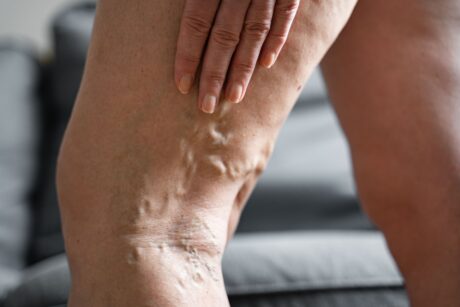
Varicose veins develop when the valves inside the veins stop functioning properly. These valves normally help blood flow back toward the heart. When they weaken or become damaged, blood can pool in the veins, causing them to enlarge and become visible beneath the skin.
Although varicose veins commonly appear in the legs, they can affect anyone. Factors such as aging, genetics, pregnancy, obesity, prolonged standing, and sedentary lifestyles increase the likelihood of developing this condition. Symptoms may include aching legs, heaviness, swelling, itching, or cramping.
Many individuals ignore these symptoms until they become more severe. However, early evaluation can help prevent complications and improve quality of life. Seeking professional care allows patients to receive a proper diagnosis and determine whether treatment is necessary. Modern vein treatments are highly effective and often require little downtime, making them an attractive option for people seeking relief.
What Type of Doctor Treats Varicose Veins?
One of the most common questions patients ask is which doctor should be consulted for vein problems. The answer is typically a vein specialist, also known as a phlebologist, vascular surgeon, or vascular medicine physician.
These specialists have extensive training in diagnosing and treating conditions that affect the veins and circulatory system. Unlike general practitioners, they use advanced imaging techniques such as ultrasound to identify the underlying cause of vein disease.
In many cases, a vein specialist can diagnose and treat varicose veins without the need for major surgery. They understand the complexities of venous insufficiency and can recommend personalized treatment plans based on each patient’s symptoms and medical history.
For those experiencing persistent discomfort, visible vein changes, or swelling, consulting a qualified vein expert is often the most effective path toward lasting relief and improved vascular health.
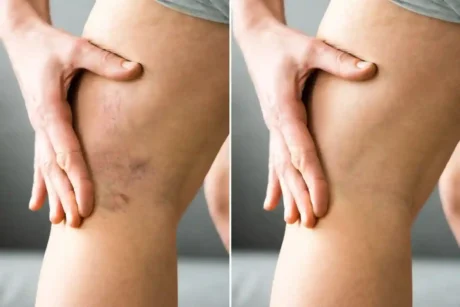
Why Vein Specialists Are Often the Best Choice
Vein specialists focus specifically on venous disorders, making them uniquely qualified to address varicose veins. Their expertise allows them to evaluate both the cosmetic appearance and the underlying medical condition responsible for vein problems.
A specialist can perform comprehensive diagnostic testing that reveals how blood flows through the veins. This detailed assessment helps determine whether symptoms are caused by venous insufficiency, deep vein issues, or another vascular condition.
Many treatment centers now offer minimally invasive procedures that can be completed in an outpatient setting. Patients often return to normal activities within a short period. Choosing a specialist ensures access to the latest technologies and evidence-based treatment approaches.
Individuals seeking treatment for Varicose Veins in Chicago often find that specialized vein clinics provide comprehensive care designed to achieve both functional and cosmetic improvements.
Common Symptoms That Require Professional Evaluation
Varicose veins do not always cause pain, but certain symptoms indicate that professional evaluation may be beneficial. Persistent leg discomfort, heaviness, and swelling are among the most common concerns reported by patients.
Some individuals experience burning sensations, nighttime leg cramps, or itching around affected veins. Skin discoloration near the ankles may also occur as vein disease progresses. In advanced cases, untreated venous insufficiency can lead to skin ulcers and chronic inflammation.
Symptoms often worsen after long periods of standing or sitting. Many people notice temporary relief when elevating their legs or wearing compression stockings. While these measures can help manage symptoms, they do not address the underlying vein dysfunction.
Recognizing these warning signs and seeking timely medical attention can help prevent more serious complications while improving overall comfort and mobility.
Diagnostic Methods Used by Vein Specialists
Accurate diagnosis is essential for effective treatment. Vein specialists use several advanced tools to evaluate the health of the vascular system and identify the source of symptoms.
The most common diagnostic test is duplex ultrasound. This non-invasive imaging technology allows physicians to view blood flow within the veins and assess valve function in real time. Ultrasound can reveal reflux, blockages, and other abnormalities that contribute to varicose veins.
A thorough consultation also includes a review of medical history, symptoms, family history, and lifestyle factors. Combining clinical evaluation with imaging results enables specialists to create highly personalized treatment plans.
Patients seeking care for Varicose Veins in Chicago often benefit from these comprehensive evaluations because they provide a clear understanding of the severity and progression of vein disease.
Modern Treatment Options for Varicose Veins
Advancements in vein care have transformed how varicose veins are treated. Today, many procedures are minimally invasive and designed to minimize discomfort and recovery time.
Endovenous laser therapy and radiofrequency ablation are popular treatments that use heat to close damaged veins. Once the vein is sealed, blood naturally reroutes through healthier vessels. These procedures are performed under local anesthesia and typically require little downtime.
Sclerotherapy is another effective treatment, particularly for smaller varicose and spider veins. During this procedure, a specialized solution is injected into the affected vein, causing it to collapse and gradually disappear.
Treatment recommendations depend on factors such as vein size, symptom severity, and overall vascular health. A qualified specialist can determine which approach offers the best outcome for each patient.
Benefits of Early Treatment
Early intervention offers significant advantages for individuals dealing with varicose veins. Addressing vein problems before they progress can reduce symptoms and improve long-term vascular health.
Many patients experience relief from pain, swelling, and fatigue shortly after treatment. Improved circulation can also enhance mobility and daily comfort. Cosmetic improvements are another benefit, helping individuals feel more confident about their appearance.
Treating vein disease early may also lower the risk of complications such as skin ulcers, bleeding veins, and chronic venous insufficiency. These conditions can become increasingly difficult to manage when left untreated.
By seeking evaluation at the first signs of trouble, patients can access effective treatment options and enjoy better overall health outcomes.
What to Expect During a Vein Consultation
A vein consultation is typically straightforward and informative. The appointment begins with a discussion of symptoms, medical history, and any concerns regarding vein appearance or discomfort.
The specialist may perform a physical examination followed by diagnostic ultrasound testing. This process helps determine whether underlying venous insufficiency is contributing to symptoms.
After reviewing the results, the physician will explain available treatment options and answer questions about recovery, risks, and expected outcomes. Patients often leave with a clear understanding of their condition and a customized treatment plan.
For those researching Varicose Veins in Chicago, scheduling a consultation can provide valuable insights into both the cause of symptoms and the most effective treatment solutions.
Choosing the Right Vein Clinic in Chicago
Selecting the right provider is an important part of achieving successful treatment outcomes. Patients should look for clinics staffed by experienced vein specialists who use advanced diagnostic technology and modern treatment methods.
Credentials, patient reviews, treatment options, and consultation processes are all worth evaluating. Clinics that offer personalized care and comprehensive evaluations often provide the best patient experience.
It is also beneficial to choose a provider that prioritizes education and communication throughout the treatment journey. Understanding each step of the process can help patients feel more confident and informed.
Finding experienced professionals who specialize in Varicose Veins in Chicago can make a significant difference in treatment effectiveness, comfort, and long-term satisfaction.
Conclusion
Varicose veins are more than a cosmetic issue and may indicate underlying vein disease that requires professional attention. Understanding who treats varicose veins, recognizing symptoms, and exploring modern treatment options can help individuals make informed healthcare decisions. Vein specialists are often the most qualified professionals to diagnose and manage venous conditions using advanced, minimally invasive techniques.
If you are experiencing symptoms or have concerns about Varicose Veins in Chicago, seeking expert evaluation can help you find effective solutions and improve your quality of life. For professional vein care and personalized treatment recommendations, contact Charming Skin Vein Clinics in Chicago at +1 630-974-1400 to schedule a consultation and learn more about your treatment options.