
If you’re struggling with Venas Varicosa or Las arañas vasculares, choosing the right treatment can feel overwhelming. An experienced Varicose Veins Doctor or Veins Specialist can evaluate your symptoms, identify the underlying cause, and recommend the most effective treatment based on your individual needs. While some vein conditions are primarily cosmetic, others may indicate underlying circulation problems that require medical attention. Understanding the available treatment options helps you make informed decisions and improves your chances of achieving healthier, more comfortable legs. In this guide, we’ll explain how different vein treatments work, who they’re best suited for, and what factors a specialist considers when creating a personalized treatment plan. Whether you’re experiencing mild spider veins or more advanced varicose veins, knowing your options is the first step toward lasting relief.
Understanding the Difference Between Varicose Veins and Spider Veins
Although they are often mentioned together, Venas Varicosa and Las arañas vasculares are not the same condition. Both occur when veins become damaged or weakened, but they differ in appearance, severity, and potential health concerns. Understanding these differences is essential before deciding on the most appropriate treatment.
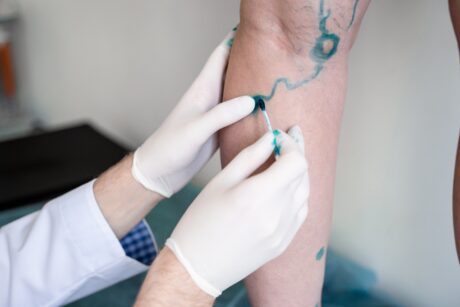
Spider veins are small, thin blood vessels that appear close to the skin’s surface. They often resemble red, blue, or purple webs and commonly develop on the legs or face. While many people seek treatment for cosmetic reasons, spider veins can occasionally cause mild discomfort, itching, or burning sensations.
Varicose veins are much larger, swollen, and twisted veins that usually appear raised beneath the skin. They most commonly develop in the legs due to increased pressure within the veins. In addition to their appearance, varicose veins may cause aching, heaviness, swelling, muscle cramps, or fatigue after prolonged standing.
A qualified Veins Specialist performs a thorough evaluation to determine whether visible veins are simply cosmetic or a sign of underlying venous insufficiency. Accurate diagnosis allows your provider to recommend treatments that address both symptoms and long-term vein health instead of only improving appearance.
When Should You See a Varicose Veins Doctor?
Many people delay treatment because they assume vein problems are simply part of aging. However, early evaluation by a Varicose Veins Doctor can prevent symptoms from worsening and reduce the risk of complications. Recognizing when professional care is needed allows treatment to begin before vein disease progresses.
Persistent leg pain, aching, heaviness, swelling, nighttime cramps, or itching around visible veins may indicate poor blood circulation. Some individuals also notice skin discoloration, hardening of the skin, or slow-healing sores around the ankles. These symptoms should never be ignored.
Even if your concerns are mainly cosmetic, consulting a Veins Specialist provides valuable information about your vein health. Modern diagnostic tools, including duplex ultrasound, allow specialists to examine blood flow and identify hidden vein problems that cannot be seen from the surface.
Seeking treatment early often means less invasive procedures, faster recovery, and improved long-term results. A professional evaluation helps ensure that the recommended treatment addresses both the visible veins and the underlying cause.
How a Veins Specialist Diagnoses Vein Disease
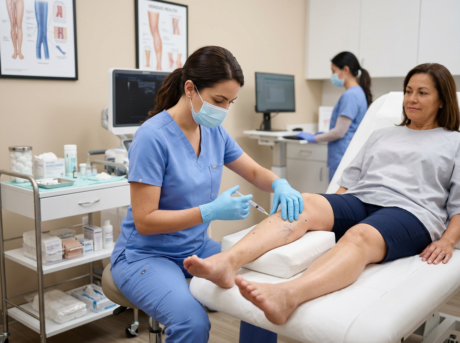
Proper diagnosis is the foundation of successful vein treatment. A skilled Veins Specialist begins by reviewing your medical history, discussing your symptoms, and performing a physical examination. This comprehensive approach helps determine the extent of your condition.
The most important diagnostic tool is duplex ultrasound. This painless imaging test allows the specialist to evaluate blood flow inside your veins, identify damaged valves, and detect venous reflux, a condition where blood flows backward instead of returning efficiently to the heart.
Ultrasonido findings help determine whether visible spider veins are isolated cosmetic concerns or part of more extensive vein disease. The results also guide treatment planning, ensuring that larger underlying veins are treated before smaller surface veins when necessary.
A personalized diagnosis helps avoid unnecessary procedures while improving treatment success. Every patient’s anatomy and symptoms are different, making professional evaluation essential before selecting any vein treatment.
Sclerotherapy for Spider Veins
Sclerotherapy remains one of the most effective treatments for Las arañas vasculares. During this minimally invasive procedure, a specialized solution is injected directly into the affected veins, causing them to collapse and gradually fade as the body naturally absorbs them.
Treatment sessions are typically completed within 30 to 45 minutes and require little to no downtime. Patients usually resume normal daily activities immediately afterward, although compression stockings may be recommended for several days to improve healing.
Multiple treatment sessions may be needed depending on the number and size of spider veins. Improvements become visible gradually over several weeks as treated veins disappear and healthier circulation develops.
Because sclerotherapy targets cosmetic veins without surgery, it remains a popular choice for individuals seeking smoother, clearer-looking skin while addressing minor symptoms associated with spider veins.
Endovenous Laser and Radiofrequency Treatments
For larger Venas Varicosa, minimally invasive thermal procedures have become the preferred treatment option. Endovenous laser therapy (EVLT) and radiofrequency ablation (RFA) work by sealing damaged veins from the inside using controlled heat.
These procedures are performed under local anesthesia through a small catheter inserted into the affected vein. Once the vein is sealed, blood naturally reroutes through healthier nearby veins, improving circulation and reducing symptoms.
Compared with traditional vein stripping surgery, these treatments involve smaller incisions, less discomfort, shorter recovery periods, and lower complication rates. Most patients return to regular activities within a day or two.
A Varicose Veins Doctor determines whether laser or radiofrequency treatment is appropriate based on ultrasound findings, vein size, and overall health. Both techniques offer excellent long-term success rates when performed by experienced specialists.
VenaSeal and Other Modern Vein Closure Procedures
Advancements in vein care have introduced alternatives to heat-based procedures. One of the newest options is VenaSeal, which uses a medical adhesive to close diseased veins without requiring thermal energy.
Since no heat is used, patients often experience less discomfort during the procedure. In many cases, fewer injections are needed because local anesthesia is required only at the catheter insertion site.
Another advantage is the reduced need for post-treatment compression stockings, although recommendations vary depending on the patient’s condition and the treating provider’s protocol.
Modern vein closure techniques continue to expand treatment options for patients seeking effective, minimally invasive care. A Veins Specialist evaluates whether these newer procedures provide advantages based on your individual vein anatomy and treatment goals.
Lifestyle Changes That Support Vein Treatment
Medical procedures provide excellent results, but healthy habits also play an important role in maintaining long-term vein health. Lifestyle changes help improve circulation and reduce pressure on the leg veins.
Regular walking and low-impact exercise strengthen the calf muscles, which act as natural pumps that move blood back toward the heart. Maintaining a healthy weight further decreases stress on the veins.
Avoiding prolonged standing or sitting, elevating your legs when resting, and wearing compression stockings when recommended can significantly reduce symptoms. Staying hydrated and eating a balanced diet rich in fiber may also help support healthy circulation.
Although lifestyle modifications cannot eliminate existing varicose veins, they can slow progression, improve comfort, and help maximize the benefits of professional vein treatments.
Choosing the Right Treatment for Your Condition
There is no single treatment that works best for every patient. The ideal approach depends on several factors, including the severity of your vein disease, symptoms, overall health, and personal treatment goals.
Some patients benefit from cosmetic treatments like sclerotherapy alone, while others require treatment of underlying venous insufficiency before visible veins can be successfully removed. Comprehensive evaluation ensures the most effective treatment sequence.
Your provider will also consider recovery time, expected results, insurance coverage, and long-term maintenance when recommending a treatment plan. Personalized care often produces better outcomes than one-size-fits-all solutions.
Working closely with an experienced Varicose Veins Doctor allows you to understand your options and choose the treatment that offers the best combination of safety, effectiveness, and lasting symptom relief.
What to Expect During Recovery
Recovery after modern vein treatment is generally quick and straightforward. Most minimally invasive procedures allow patients to return to normal activities within one or two days, making them convenient for busy lifestyles.
Walking is encouraged immediately after treatment to promote healthy circulation and reduce the risk of complications. Your specialist may recommend avoiding strenuous exercise, heavy lifting, or prolonged hot baths for a short period.
Compression stockings are commonly prescribed after certain procedures to support healing and improve blood flow. Follow-up appointments help ensure treated veins have closed properly and allow your provider to monitor your progress.
Following your specialist’s recovery instructions carefully contributes to better outcomes, faster healing, and improved long-term vein health.
Conclusion
Choosing the right treatment for Venas Varicosa or Spider Veins begins with an accurate diagnosis and personalized care from an experienced Varicose Veins Doctor or Veins Specialist. From sclerotherapy and laser therapy to advanced vein closure procedures, today’s minimally invasive treatments offer effective solutions for improving both appearance and circulation. The best treatment depends on your symptoms, vein condition, and overall health, making professional evaluation an essential first step. If you’re ready to improve your vein health, Charming Skin Vein Clinics (Oakbrook) provides comprehensive evaluations and customized treatment plans designed around your needs. Serving patients throughout Oakbrook, the experienced team is committed to helping you achieve healthier, more comfortable legs with modern vein care. To schedule a consultation or learn more about your treatment options, call 630-974-2400 today.