
Venas Varicosa and Las arañas vasculares are among the most common vein conditions affecting adults of all ages. While many people initially view them as cosmetic concerns, these vein problems can become more noticeable and uncomfortable over time if left untreated. Understanding whether they naturally worsen is important for protecting your long-term vein health and knowing when to seek help from a Varicose Veins Doctor or Veins Specialist.
Although every person’s experience is different, vein disease is generally progressive. Early symptoms may seem mild, but they can gradually develop into more significant discomfort, swelling, and circulation problems. Learning about the causes, warning signs, treatment options, and prevention strategies can help you make informed decisions and reduce the risk of complications.
Understanding Spider Veins and Varicose Veins
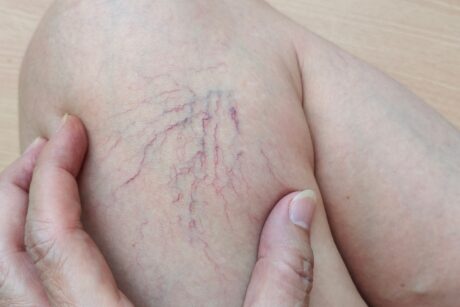
Although they both affect the veins, Las arañas vasculares and Venas Varicosa are not exactly the same condition. Spider veins are small, thin blood vessels that appear close to the surface of the skin. They often resemble red, blue, or purple webs and are most commonly found on the legs and face. While they typically do not cause significant pain, some individuals experience itching, burning, or mild discomfort.
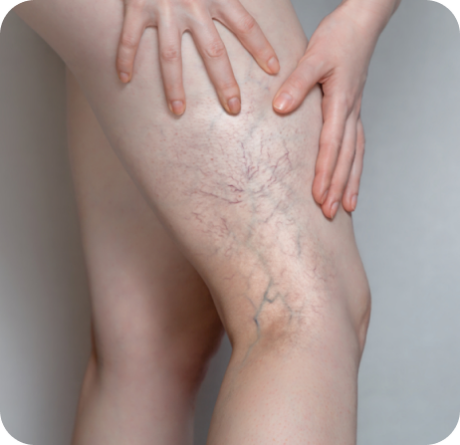
Varicose veins are much larger and more noticeable. They appear swollen, twisted, and raised above the skin due to weakened vein walls and malfunctioning valves. These damaged valves allow blood to pool inside the veins instead of flowing efficiently back toward the heart. Over time, this increased pressure causes the veins to enlarge even further.
Many people mistakenly believe spider veins always develop into varicose veins. While they share similar risk factors, they are separate conditions that may occur independently or together. Genetics, aging, pregnancy, obesity, prolonged standing, and hormonal changes all contribute to their development.
A qualified Veins Specialist can evaluate both conditions using advanced diagnostic tools, including ultrasound imaging, to determine whether underlying venous insufficiency is present. Early diagnosis allows patients to begin treatment before symptoms progress and more serious complications develop.
Do Spider Veins and Varicose Veins Usually Get Worse?
In many cases, vein disease progresses gradually rather than remaining stable. Without treatment or lifestyle modifications, damaged vein valves cannot repair themselves naturally. As blood continues pooling inside affected veins, pressure builds and symptoms often become more noticeable over time.
Spider veins may spread into larger clusters, become darker, or appear in new locations. While they often remain primarily cosmetic, they can sometimes indicate early circulation problems that deserve medical evaluation.
Varicose veins typically continue enlarging as valve damage worsens. Patients frequently notice increasing leg heaviness, aching, swelling, throbbing, or nighttime cramping. Standing for long periods often makes these symptoms more pronounced because gravity increases pressure inside weakened veins.
Progression varies from person to person. Some individuals experience slow changes over many years, while others notice rapid worsening due to pregnancy, weight gain, aging, or occupations requiring prolonged standing.
Scheduling an evaluation with a Varicose Veins Doctor provides valuable insight into your individual condition. A personalized assessment helps determine whether your symptoms are likely to progress and identifies the most effective treatment plan before complications become more difficult to manage.
What Causes Vein Disease to Progress?
The progression of vein disease usually begins with weakened vein valves. Healthy valves prevent blood from flowing backward as it returns to the heart. When these valves weaken or become damaged, blood begins collecting inside the veins instead of circulating properly.
Several factors accelerate this process. Genetics plays one of the largest roles, making some individuals naturally more susceptible to developing weakened veins. Aging also contributes because blood vessels gradually lose elasticity over time.
Lifestyle factors significantly influence progression as well. Sitting for long periods, standing throughout the workday, carrying excess body weight, and avoiding regular physical activity all increase pressure within the veins. Pregnancy introduces additional stress due to hormonal changes and increased blood volume.
Hormonal fluctuations associated with menopause or birth control medications may also affect vein health. Previous leg injuries and a history of blood clots can further damage vein function.
Fortunately, progression is not inevitable. Regular exercise, maintaining a healthy weight, elevating the legs, and wearing compression stockings may slow worsening. Consulting a Veins Specialist allows patients to address underlying circulation issues before symptoms interfere with daily activities.
Signs Your Vein Condition May Be Getting Worse
Recognizing worsening symptoms early allows patients to seek treatment before complications become more severe. Many people ignore mild discomfort until daily activities become difficult.
Increasing leg pain is often one of the earliest warning signs. Patients frequently describe aching, throbbing, heaviness, or fatigue that becomes worse after standing for extended periods. Swelling around the ankles may become more noticeable by the end of the day.
Visible changes also occur as veins enlarge. Existing varicose veins may become more twisted, bulging, or darker in color. New spider veins may develop around the ankles, thighs, or calves.
Skin changes deserve immediate attention. Persistent itching, discoloration, dry skin, thickened tissue, or sores near the ankles may indicate advanced chronic venous insufficiency. These symptoms require prompt evaluation by a Varicose Veins Doctor because untreated circulation problems increase the risk of ulcers and infection.
Nighttime leg cramps, restless legs, and persistent burning sensations can also indicate worsening vein disease. Early intervention often prevents these symptoms from progressing into more serious vascular complications.
Can Lifestyle Changes Slow the Progression?
Lifestyle improvements cannot reverse damaged vein valves, but they can significantly reduce symptoms and help slow disease progression. Healthy daily habits improve circulation and reduce pressure within the leg veins.
Regular walking is one of the simplest and most effective exercises for improving blood flow. Muscle contractions in the calves help pump blood upward toward the heart, reducing pooling inside weakened veins. Low-impact activities like cycling and swimming also support healthy circulation.
Maintaining a healthy weight decreases unnecessary pressure on the veins. Even modest weight loss can reduce discomfort for individuals with chronic vein disease.
Avoiding prolonged sitting or standing is equally important. Taking short walking breaks, stretching regularly, and changing positions throughout the day encourage better circulation. Elevating the legs above heart level for several minutes each day helps reduce swelling.
Compression stockings provide gentle pressure that supports healthy blood flow. Many patients experience reduced aching and fatigue while wearing properly fitted compression garments.
Although these habits improve symptoms, they do not eliminate damaged veins. A Veins Specialist can recommend additional treatments when conservative measures no longer provide adequate relief.
Modern Treatment Options for Spider Veins and Varicose Veins
Today’s vein treatments are far less invasive than traditional surgical procedures. Most modern therapies require little downtime and allow patients to resume normal activities quickly.
Spider veins are commonly treated using escleroterapia. During this procedure, a specialized solution is injected into the affected veins, causing them to collapse and gradually fade as the body naturally absorbs them.
Larger varicose veins often require minimally invasive procedures such as endovenous laser therapy, radiofrequency ablation, or medical adhesive closure. These treatments seal damaged veins while allowing blood to reroute through healthier vessels.
Some patients may benefit from ambulatory phlebectomy, which removes larger surface veins through tiny incisions. Ultrasound-guided evaluation helps determine which treatment is most appropriate based on the severity of venous disease.
A qualified Varicose Veins Doctor develops personalized treatment plans according to each patient’s symptoms, medical history, and diagnostic findings. Early intervention often produces better cosmetic and medical outcomes while preventing future complications associated with untreated vein disease.
When Should You See a Veins Specialist?
Many individuals postpone medical evaluation because they believe vein problems are simply part of aging. However, delaying treatment often allows symptoms to become more severe.
You should consider scheduling an appointment if leg discomfort interferes with daily activities, swelling persists despite rest, or veins continue becoming larger and more painful. Skin discoloration, ulcers, bleeding veins, or sudden swelling require prompt medical attention.
Even if symptoms appear mild, early evaluation provides valuable information about your vein health. Diagnostic ultrasound allows a Veins Specialist to identify hidden venous insufficiency before visible symptoms become advanced.
Patients with a family history of vein disease, multiple pregnancies, occupations requiring prolonged standing, or previous blood clots may benefit from earlier screening. Preventive care often reduces the likelihood of future complications.
Seeking professional evaluation also provides peace of mind. Some visible veins are harmless, while others indicate underlying circulation problems requiring medical treatment. A comprehensive assessment ensures you receive the most appropriate recommendations for your unique condition.
Preventing Future Vein Problems
Although genetics cannot be changed, many healthy habits help protect vein health throughout life. Prevention begins with maintaining good circulation and reducing unnecessary pressure on the veins.
Daily physical activity keeps calf muscles active and supports efficient blood flow. Walking, stretching, and avoiding extended periods of inactivity all contribute to healthier veins.
Choosing supportive footwear and avoiding excessively tight clothing around the waist or legs may also improve circulation. Staying hydrated and eating a balanced diet rich in fiber helps maintain healthy blood vessels while reducing constipation-related pressure inside the veins.
Individuals with higher risk factors should remain especially vigilant. Pregnancy, obesity, advancing age, and family history increase the likelihood of developing vein disease. Regular medical evaluations allow healthcare providers to detect early changes before symptoms become significant.
Partnering with a trusted Veins Specialist ensures ongoing monitoring and timely treatment whenever necessary. Combining preventive habits with professional care provides the best opportunity for maintaining healthy veins and reducing future complications.
Conclusion
Las arañas vasculares and Venas Varicosa often become more noticeable and symptomatic over time because vein disease is typically progressive. While healthy lifestyle habits can help reduce discomfort and slow progression, they cannot repair damaged vein valves. Early evaluation by a qualified Varicose Veins Doctor or Veins Specialist allows patients to receive accurate diagnoses and access effective, minimally invasive treatments before complications develop.
If you’re experiencing leg pain, swelling, visible veins, or other symptoms of vein disease, the experienced team at Charming Skin Vein Clinics (Oakbrook) is here to help. Their personalized approach focuses on improving both your vein health and quality of life with advanced treatment options tailored to your needs. To schedule a consultation or learn more about available services, contact Charming Skin Vein Clinics (Oakbrook) in Oakbrook today at 630-974-2400.