
Many people notice visible veins on their legs but are unsure whether they are dealing with Las arañas vasculares or Venas Varicosa. Although these conditions may appear similar at first glance, they differ in appearance, symptoms, severity, and treatment options. Understanding the distinction is important because some vein problems are primarily cosmetic, while others may signal underlying circulation issues that require medical attention from a qualified Varicose Veins Doctor or Veins Specialist.
Knowing the difference can help you recognize when it’s time to seek professional care and explore treatment options before symptoms worsen. In this guide, we’ll explain how Venas Varicosa and Las arañas vasculares develop, what causes them, their symptoms, available treatments, and when you should schedule an evaluation with an experienced vein specialist.
¿QUÉ SON LAS VENAS DE ARAÑA?
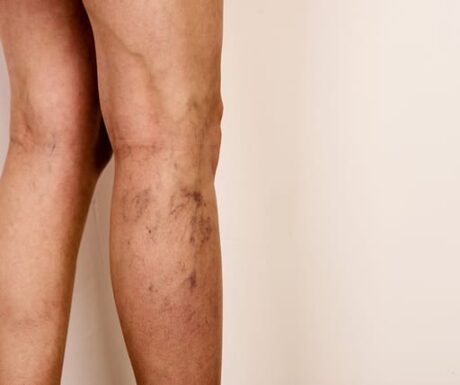
Las arañas vasculares are small, damaged blood vessels that appear close to the surface of the skin. They often resemble thin red, blue, or purple lines that branch outward like a spider web or tree branches. While they commonly develop on the legs and face, they can appear almost anywhere on the body.
Unlike Venas Varicosa, spider veins are usually flat and do not bulge above the skin. Most people seek treatment because of their appearance rather than discomfort. However, some individuals experience mild burning, itching, or aching around the affected area, especially after standing for long periods.
Spider veins develop when tiny valves inside the veins weaken, allowing blood to pool instead of flowing efficiently back toward the heart. Factors such as aging, prolonged standing, hormonal changes, pregnancy, obesity, and genetics all increase the likelihood of developing spider veins.
Although spider veins are generally harmless, they can sometimes indicate early venous insufficiency. A consultation with a qualified Veins Specialist can determine whether cosmetic concerns are the only issue or whether underlying vein disease requires treatment.
What Are Varicose Veins?
Venas Varicosa are enlarged, twisted veins that typically appear dark blue or purple and bulge noticeably beneath the skin. They most commonly develop in the legs because these veins work against gravity to return blood to the heart.
Unlike spider veins, varicose veins frequently cause physical symptoms. Many people experience aching, heaviness, swelling, throbbing, muscle cramps, itching, or fatigue in the legs. Symptoms often become worse after prolonged standing or sitting and may improve when the legs are elevated.
Varicose veins occur when vein valves become weak or damaged, allowing blood to flow backward and collect inside the veins. As pressure builds, the veins enlarge and become more visible.
Ignoring varicose veins may lead to complications such as skin discoloration, inflammation, bleeding, or venous ulcers in advanced cases. Visiting a qualified Varicose Veins Doctor allows for early diagnosis and treatment before symptoms progress and affect daily quality of life.
Key Differences Between Spider Veins and Varicose Veins
Although both conditions involve damaged veins, there are several important differences between Las arañas vasculares and Venas Varicosa.
Spider veins are much smaller and remain close to the surface of the skin. They usually appear as fine red, blue, or purple lines and rarely cause significant discomfort. Most patients seek treatment for cosmetic reasons.
Varicose veins are larger, swollen, twisted veins that bulge above the skin. They commonly produce symptoms including pain, heaviness, swelling, and leg fatigue. Because they often result from more advanced vein disease, they may require medical treatment rather than cosmetic care alone.
Another major difference involves health risks. Spider veins typically do not lead to serious complications, while untreated varicose veins may increase the risk of chronic venous insufficiency and skin damage.
A Veins Specialist can perform a comprehensive evaluation to determine which condition you have and recommend the most appropriate treatment plan.
Common Causes and Risk Factors
Both Las arañas vasculares and Venas Varicosa develop because vein valves stop functioning properly, but several factors contribute to this process.
Age is one of the most significant risk factors. As people get older, vein walls naturally lose elasticity, making it easier for blood to pool inside the veins.
Family history also plays an important role. If close relatives have experienced vein disease, your chances of developing similar problems are considerably higher.
Pregnancy increases pressure on leg veins while hormonal changes relax vein walls. Although many pregnancy-related veins improve after childbirth, some persist and require treatment.
Lifestyle habits also matter. Standing or sitting for extended periods, carrying excess body weight, smoking, and a lack of regular exercise all place additional stress on the circulatory system.
Working with a knowledgeable Varicose Veins Doctor can help identify your personal risk factors and develop strategies to protect your long-term vein health.
Symptoms That Should Not Be Ignored
While Las arañas vasculares often cause minimal symptoms, Venas Varicosa can produce noticeable discomfort that affects everyday life.
Common symptoms include aching legs, heaviness, swelling around the ankles, nighttime leg cramps, itching, throbbing, and a feeling of fatigue after standing. Some patients also notice skin discoloration or hardened skin around affected veins.
Persistent swelling or pain should never be ignored. In more advanced cases, untreated vein disease may lead to slow-healing wounds, bleeding veins, or painful ulcers.
Spider veins may occasionally cause mild discomfort, but severe symptoms usually suggest a deeper circulation problem that requires medical evaluation.
Scheduling an appointment with a Veins Specialist allows these symptoms to be investigated before complications develop. Early treatment often improves comfort while reducing the likelihood of more serious vascular problems.
How Are Spider and Varicose Veins Diagnosed?
Diagnosis begins with a detailed medical history and physical examination. A Varicose Veins Doctor carefully evaluates the appearance of the veins, reviews symptoms, and discusses your personal risk factors.
Many patients also undergo a duplex ultrasound examination. This painless imaging test shows how blood flows through the veins and identifies faulty valves or hidden circulation problems beneath the skin.
Ultrasound plays an essential role because visible veins often represent only part of the underlying condition. Even small spider veins may be associated with deeper venous insufficiency.
An accurate diagnosis ensures that treatment addresses the root cause instead of simply improving appearance. Working with an experienced Veins Specialist helps create an individualized treatment plan based on the severity of your condition, lifestyle, and long-term health goals.
Treatment Options for Spider and Varicose Veins
Modern vein treatments are highly effective and minimally invasive. The best option depends on the size, location, and severity of the affected veins.
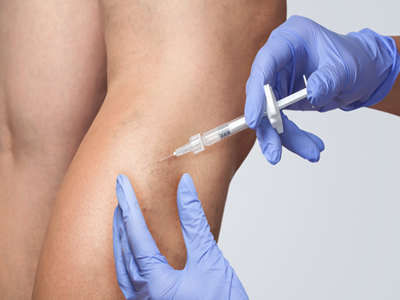
Spider veins are commonly treated using sclerotherapy, where a specialized solution closes damaged veins, allowing them to gradually fade. Laser therapy may also be recommended for smaller superficial veins.
For Venas Varicosa, treatment options include endovenous laser therapy, radiofrequency ablation, ultrasound-guided foam sclerotherapy, and ambulatory phlebectomy. These procedures typically require little downtime and allow patients to resume normal activities quickly.
Compression stockings, regular exercise, weight management, and leg elevation may help reduce symptoms, although they usually do not eliminate damaged veins permanently.
A qualified Veins Specialist can explain the benefits of each treatment option and recommend the most effective approach based on your individual needs.
When Should You See a Varicose Veins Doctor?
Many people postpone treatment because they assume visible veins are only cosmetic. However, certain symptoms indicate it’s time to consult a Varicose Veins Doctor.
Persistent leg pain, swelling, heaviness, cramping, skin discoloration, bleeding veins, or sores near the ankles all warrant professional evaluation. Even if symptoms seem mild, early diagnosis can prevent future complications.
Individuals with a strong family history of vein disease or occupations that require prolonged standing should also consider routine vein evaluations.
Seeking care early often means less invasive treatment and faster recovery. A skilled Veins Specialist can determine whether your symptoms result from spider veins, varicose veins, or another vascular condition and recommend personalized treatment that improves both comfort and appearance.
Conclusion
Although Las arañas vasculares and Venas Varicosa both result from damaged veins, they differ significantly in size, appearance, symptoms, and potential health risks. Spider veins are typically smaller and primarily cosmetic, while varicose veins often indicate more advanced vein disease that may require medical treatment. Understanding these differences helps you recognize when professional care is necessary and allows you to address vein problems before they worsen.
If you’re experiencing visible veins, leg discomfort, swelling, or other symptoms, the experienced team at Charming Skin Vein Clinics (Oakbrook) is here to help. Their skilled Veins Specialist and Varicose Veins Doctor provide comprehensive evaluations and advanced treatment options tailored to your needs. To schedule a consultation and take the first step toward healthier legs, contact Charming Skin Vein Clinics (Oakbrook) in Oakbrook today at 630-974-2400.