
Spider veins are a common concern that affects millions of people, causing small, visible red, blue, or purple veins to appear just beneath the skin. While they are often considered a cosmetic issue, they can sometimes signal underlying vein problems that require medical evaluation. If you have noticed these tiny veins becoming more noticeable, you may wonder whether a Veins Specialist can effectively treat them. An experienced Varicose Veins Doctor can evaluate both Las arañas vasculares and Venas Varicosa to determine the most appropriate treatment based on your symptoms and overall vein health.
Understanding your treatment options is important because untreated vein conditions may worsen over time. This guide explains how a vein specialist removes spider veins, what causes them, available treatment methods, recovery expectations, and when it is time to seek professional care.
¿QUÉ SON LAS VENAS DE ARAÑA?
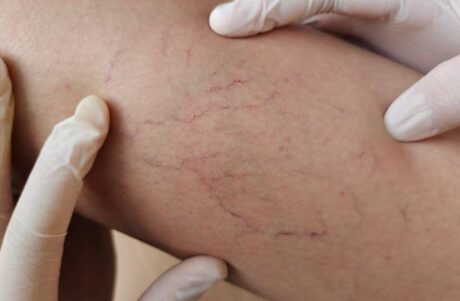
Spider veins are small, damaged blood vessels that become visible near the surface of the skin. They typically appear as thin lines or web-like patterns and are most commonly found on the legs and face. Unlike Venas Varicosa, spider veins are usually flat and much smaller, although they develop for many of the same reasons.
Several factors contribute to the formation of spider veins. Genetics play a major role, but aging, prolonged standing, pregnancy, hormonal changes, obesity, and limited physical activity can also increase your risk. Although many people seek treatment for cosmetic reasons, spider veins may occasionally be accompanied by aching, burning, or mild discomfort.
A qualified Veins Specialist performs a thorough examination to determine whether the visible veins are isolated spider veins or part of a larger vein condition involving deeper veins. In some cases, treating underlying vein disease first improves the long-term success of cosmetic treatments.
Early evaluation provides peace of mind while helping patients receive personalized care before symptoms become more severe.
Can a Veins Specialist Remove Spider Veins?
Yes, a Veins Specialist can safely and effectively remove or significantly reduce the appearance of spider veins using minimally invasive procedures. Modern vein treatments have advanced considerably, allowing patients to receive effective care without surgery or lengthy recovery periods.
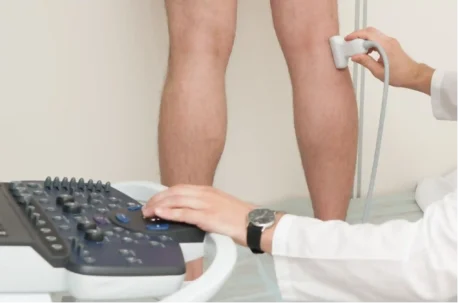
The first step involves a detailed consultation with a Varicose Veins Doctor. During this visit, the specialist evaluates your medical history, symptoms, and vein health. An ultrasound examination may be recommended to identify hidden vein problems contributing to the visible spider veins.
If deeper vein disease is discovered, addressing that condition first often produces better cosmetic and medical results. Once underlying issues have been managed, treatments specifically targeting spider veins can begin.
Every patient’s vein condition is unique. A personalized treatment plan helps achieve natural-looking results while reducing the likelihood of future vein problems. Working with an experienced vein specialist ensures that treatment is both safe and appropriate for your individual needs.
Common Treatments for Spider Veins
Several highly effective treatment options are available depending on the size, location, and severity of the spider veins.
Sclerotherapy remains one of the most popular procedures. During treatment, a special solution is injected into the affected veins, causing them to collapse and gradually fade as the body naturally absorbs them. This procedure is quick, requires little downtime, and delivers excellent cosmetic results for many patients.
Laser therapy is another option, particularly for smaller spider veins or facial veins. Focused laser energy targets the affected blood vessels without damaging surrounding tissue. Over time, the treated veins disappear naturally.
A Veins Specialist determines which treatment offers the best outcome after evaluating your vein condition. Some patients benefit from a combination of therapies to achieve optimal improvement.
Most treatments are completed in an outpatient setting, allowing patients to resume many normal daily activities shortly after their appointment.
How Are Varicose Veins Different From Spider Veins?
Although Las arañas vasculares and Venas Varicosa share similar causes, they differ significantly in appearance, symptoms, and treatment requirements.
Spider veins are tiny blood vessels located close to the skin’s surface. They generally do not bulge and often create web-like or branching patterns. Varicose veins, however, are much larger, twisted, raised veins that commonly develop in the legs due to malfunctioning vein valves.
People with varicose veins frequently experience aching, heaviness, swelling, cramping, itching, or fatigue in their legs. In more advanced cases, skin changes or ulcers may develop if left untreated.
A Varicose Veins Doctor carefully distinguishes between these conditions during diagnosis. While cosmetic treatments may effectively remove spider veins, larger varicose veins often require procedures such as endovenous laser therapy, radiofrequency ablation, or other minimally invasive treatments.
Understanding the difference helps patients receive the most effective care for both appearance and long-term vein health.
What Happens During Your Consultation?
Your first appointment with a Veins Specialist focuses on understanding your symptoms and evaluating your vein health. This comprehensive assessment ensures that treatment recommendations address both cosmetic concerns and any underlying medical conditions.
The consultation begins with a discussion of your medical history, family history, lifestyle, and symptoms. The specialist examines the affected areas and may recommend a duplex ultrasound to evaluate blood flow and identify hidden vein disease.
Based on these findings, your provider explains the available treatment options, expected outcomes, and recovery process. Patients are encouraged to ask questions and discuss their goals before deciding on treatment.
A personalized treatment plan helps ensure excellent results while minimizing unnecessary procedures. Early evaluation also helps prevent vein conditions from progressing into more serious health concerns.
Recovery After Spider Vein Treatment
Recovery following spider vein treatment is generally quick and straightforward. Most patients return to work and normal daily routines within a day, depending on the specific procedure performed.
Your provider may recommend wearing compression stockings for several days or weeks to support healthy circulation and improve healing. Walking regularly also encourages proper blood flow and contributes to better treatment outcomes.
Temporary redness, mild bruising, or slight swelling may occur after treatment, but these effects usually resolve within a short period. The treated veins gradually fade over several weeks as the body naturally absorbs them.
Following your specialist’s aftercare instructions plays an important role in achieving optimal cosmetic results and reducing the likelihood of new spider veins developing in the future.
Can Spider Veins Be Prevented?
Although not every case can be prevented, healthy lifestyle habits may significantly reduce your risk of developing new spider veins.
Maintaining a healthy weight decreases pressure on the veins in your legs. Regular exercise strengthens the calf muscles, which help pump blood back toward the heart. Avoiding prolonged sitting or standing also improves circulation throughout the lower body.
Compression stockings may benefit individuals with occupations requiring extended periods of standing. Elevating your legs after long days and staying physically active also support healthy vein function.
Routine evaluations with a Varicose Veins Doctor become increasingly valuable for individuals with a family history of vein disease. Early detection allows minor vein issues to be treated before they become more noticeable or symptomatic.
When Should You See a Varicose Veins Doctor?
While many people seek treatment because they dislike the appearance of spider veins, medical evaluation is recommended whenever symptoms accompany visible veins.
Persistent aching, swelling, heaviness, burning sensations, nighttime leg cramps, or skin discoloration may indicate underlying venous insufficiency requiring professional care. Delaying treatment could allow the condition to worsen over time.
A Varicose Veins Doctor uses advanced diagnostic technology to determine whether your symptoms stem from superficial spider veins or deeper vein disease. Early diagnosis allows for minimally invasive treatment before complications develop.
Even if your concern is primarily cosmetic, scheduling an evaluation provides reassurance and helps identify hidden conditions that might otherwise go unnoticed. Professional assessment ensures that you receive the safest and most effective treatment plan for your individual needs.
Conclusion
Spider veins are more than just a cosmetic concern for many individuals. While they often appear harmless, they may sometimes indicate underlying vein disease that deserves professional evaluation. An experienced Veins Specialist can accurately diagnose the cause of both Las arañas vasculares and Venas Varicosa, recommend personalized treatment options, and help restore both comfort and confidence. Early treatment often leads to better long-term results while preventing vein conditions from progressing.
If you’re considering treatment, Charming Skin Vein Clinics (Chicago) provides comprehensive vein evaluations and minimally invasive treatment options tailored to your needs. Whether you’re experiencing visible spider veins or symptoms associated with varicose veins, their experienced team is ready to help. To schedule a consultation in Chicago, call 630-974-2400 and take the first step toward healthier, more comfortable legs.