
Varicose veins are a common condition that affects millions of people, causing enlarged, twisted veins that often appear on the legs. While venas de araña are generally smaller and more cosmetic in appearance, both conditions can impact confidence and, in some cases, lead to discomfort or more serious vein-related issues. Seeking care from a qualified varicose veins doctor or experienced veins specialist is the first step toward finding the most effective treatment based on your individual needs. Fortunately, advancements in vein care have made treatment safer, faster, and less invasive than ever before.
Understanding the available treatment options can help you make informed decisions about your vascular health. Whether you’re experiencing aching legs, swelling, visible veins, or simply want to improve your appearance, learning about today’s modern vein treatments can help you achieve healthier, more comfortable legs.
Understanding Varicose Veins and Spider Veins
Varicose veins develop when the valves inside your veins become weak or damaged, allowing blood to pool instead of flowing efficiently back to the heart. This increased pressure causes veins to enlarge, twist, and become visible beneath the skin. Spider veins, while similar, are much smaller and usually appear as red, blue, or purple web-like patterns close to the skin’s surface.
Although many people consider these conditions purely cosmetic, untreated vein disease can gradually worsen over time. Symptoms may include aching, heaviness, swelling, burning sensations, leg fatigue, itching, and nighttime cramping. In more advanced cases, skin discoloration or ulcers may develop.
Several factors increase the likelihood of developing vein problems, including aging, genetics, pregnancy, obesity, prolonged standing, and sedentary lifestyles. Women are generally more likely than men to develop varicose veins due to hormonal changes.
Because symptoms vary from person to person, an evaluation by a veins specialist is essential. Proper diagnosis determines whether treatment is medically necessary or primarily cosmetic and helps identify the most appropriate solution.
Why Early Treatment Is Important
Many people postpone treatment because they believe varicose veins are simply part of aging. However, delaying care can allow vein disease to progress and lead to worsening symptoms. Early intervention often results in simpler treatment, quicker recovery, and improved long-term outcomes.
As circulation becomes less efficient, blood pooling may increase discomfort and swelling. Over time, chronic venous insufficiency can develop, affecting skin health and increasing the risk of complications such as ulcers or blood clots.
A qualified varicose veins doctor evaluates the severity of your condition using advanced diagnostic tools, including duplex ultrasound imaging. This allows the provider to assess blood flow, identify damaged valves, and recommend personalized treatment.
Prompt treatment not only relieves discomfort but also improves mobility and overall quality of life. Modern minimally invasive procedures typically require little downtime, allowing most patients to return to normal daily activities within a short period.
Conservative Treatment Options
Not every patient requires an immediate medical procedure. In mild cases, conservative treatment may help reduce symptoms and slow the progression of vein disease. Lifestyle modifications are often recommended as the first step in managing varicose veins.
Compression stockings improve circulation by gently supporting the veins and encouraging blood to flow upward toward the heart. Regular walking, maintaining a healthy weight, elevating the legs, and avoiding prolonged sitting or standing can also help relieve discomfort.
Exercise strengthens the calf muscles, which play an important role in pumping blood through the veins. Low-impact activities such as walking, swimming, and cycling are particularly beneficial for improving circulation.
While these methods can effectively manage symptoms, they generally do not eliminate existing varicose veins. A veins specialist may recommend minimally invasive treatment if conservative measures fail to provide adequate relief or if the underlying vein disease continues to progress.
Endovenous Laser Therapy (EVLT)
Endovenous Laser Therapy, commonly known as EVLT, has become one of the most effective treatments for larger varicose veins. This minimally invasive procedure uses laser energy to seal the damaged vein from the inside, allowing blood to naturally reroute through healthier veins.
The treatment is performed using local anesthesia and typically takes less than an hour. A small laser fiber is inserted into the affected vein under ultrasound guidance, minimizing discomfort while maximizing precision.
Following the procedure, the treated vein gradually fades as the body naturally absorbs it. Most patients experience minimal bruising and can resume normal activities within one or two days.
Because EVLT targets the underlying cause of vein disease rather than simply removing visible veins, it offers long-lasting symptom relief and excellent cosmetic results. Many patients notice significant improvement in both leg appearance and comfort within several weeks.
Radiofrequency Ablation (RFA)
Radiofrequency Ablation is another highly effective treatment for varicose veins. Instead of laser energy, this procedure uses controlled radiofrequency heat to close damaged veins, improving circulation while reducing symptoms.
Like EVLT, RFA is performed using local anesthesia through a small catheter inserted into the affected vein. Ultrasound guidance ensures accurate placement and optimal treatment outcomes. The procedure is comfortable for most patients and usually requires less than an hour.
Recovery is generally quick, with minimal discomfort and little interruption to daily life. Walking immediately after treatment is often encouraged to promote healthy circulation.
Many patients appreciate RFA because it combines excellent clinical success rates with minimal scarring, making it an attractive option for individuals seeking effective, minimally invasive vein treatment.
Sclerotherapy for Spider Veins
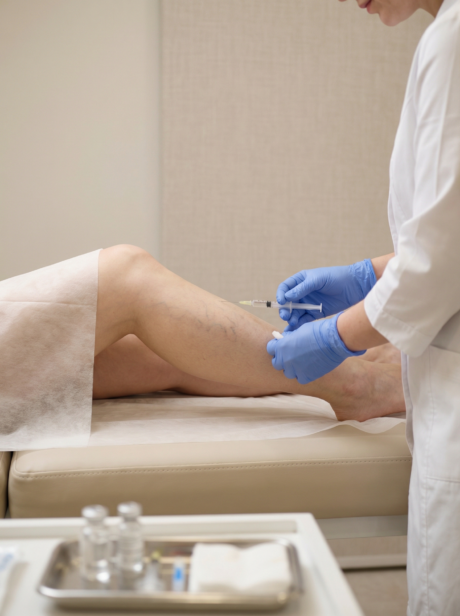
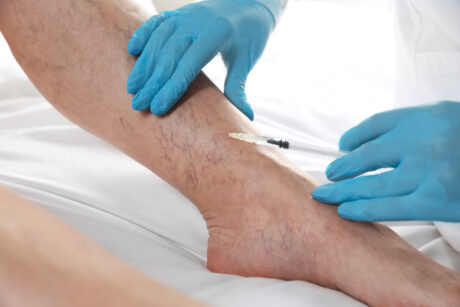
Sclerotherapy remains the gold standard for treating spider veins and smaller varicose veins. During this procedure, a specialized solution is injected directly into the affected veins, causing them to collapse and gradually fade from view.
Treatment sessions are relatively quick and require no surgery or significant recovery period. Patients often return to work or other normal activities immediately afterward, making sclerotherapy highly convenient.
Depending on the number and size of treated veins, multiple sessions may be necessary to achieve optimal cosmetic results. Compression stockings are commonly recommended following treatment to support healing and improve effectiveness.
A skilled varicose veins doctor carefully evaluates each patient to determine whether sclerotherapy alone is appropriate or if additional treatments should be combined for comprehensive care.
Choosing the Right Veins Specialist
Selecting an experienced veins specialist is one of the most important decisions you can make when seeking treatment. Proper diagnosis and individualized care significantly influence both medical outcomes and cosmetic satisfaction.
Look for providers who specialize exclusively in vein disease and utilize advanced diagnostic imaging before recommending treatment. A comprehensive evaluation ensures that underlying circulation problems are identified rather than simply treating visible veins.
Experience with multiple treatment options also allows the provider to recommend the most appropriate solution for your specific condition instead of offering a one-size-fits-all approach.
Patient education is equally important. A knowledgeable specialist explains the diagnosis, discusses available treatments, answers questions, and develops a personalized care plan designed to meet your health goals.
Recovery and Long-Term Results
Recovery following modern vein procedures is generally straightforward. Most minimally invasive treatments require only local anesthesia, involve minimal discomfort, and allow patients to resume regular activities within a day or two.
Following your provider’s instructions helps optimize healing and long-term success. Wearing compression stockings, staying physically active, and attending follow-up appointments all contribute to better circulation and improved treatment outcomes.
Although treated veins typically do not return, new varicose veins may develop over time due to genetics, aging, pregnancy, or lifestyle factors. Maintaining healthy habits and scheduling periodic evaluations can help identify new vein issues early.
With proper care and ongoing monitoring, patients often enjoy long-lasting symptom relief, improved mobility, and greater confidence in the appearance of their legs.
Conclusion
The best treatment for varicose veins depends on the severity of your condition, your symptoms, and your overall health. From conservative care and compression therapy to advanced procedures like EVLT, radiofrequency ablation, and sclerotherapy for venas de araña, today’s treatments offer safe, effective, and minimally invasive solutions. Consulting an experienced varicose veins doctor or trusted veins specialist ensures you receive a personalized treatment plan designed to restore healthy circulation and improve your quality of life.
If you’re looking for expert vein care in Chicago, contact Charming Skin Vein Clinics (Chicago). Their experienced team provides comprehensive evaluations and customized treatment options to help you achieve healthier, more comfortable legs. To schedule a consultation or learn more about available vein treatments, call 630-974-2400 today.