
If you are dealing with visible veins, leg discomfort, or swelling, finding a veins specialist can make a significant difference in your health and confidence. A veins specialist is a medical professional trained to diagnose and treat conditions affecting the veins, such as varicose veins and spider veins. These issues are more than cosmetic—they can signal underlying circulation problems that may worsen over time if left untreated.
Understanding vein health is important because poor circulation can lead to pain, fatigue, skin changes, and even serious complications in advanced cases. Many people delay treatment, thinking vein issues are only aesthetic concerns, but early evaluation ensures better outcomes and less invasive treatments. In this guide, we’ll explore what a veins specialist does, common conditions they treat, available procedures, and when you should seek care. This information will help you make informed decisions about improving your vein health and overall well-being.
What a Veins Specialist Does in Modern Vascular Care
A veins specialist is a medical expert focused on diagnosing and treating disorders of the venous system. Their primary goal is to improve blood flow and reduce symptoms caused by damaged or weakened veins. Unlike general practitioners, they use advanced imaging and minimally invasive procedures to target the root cause of vein problems.
During a consultation, the specialist performs a detailed evaluation that may include a physical examination and ultrasound imaging. This helps identify issues such as valve dysfunction or blood pooling in the legs. Treatment plans are then tailored to the patient’s condition and lifestyle needs.
Modern vein care has evolved significantly, allowing patients to receive effective treatments without major surgery. Procedures such as sclerotherapy and endovenous laser therapy are commonly used and offer faster recovery times. A veins specialist ensures that each patient receives personalized care based on the severity of their condition.
Common Vein Conditions Treated by Specialists
Vein disorders are more common than many people realize, affecting millions of adults worldwide. A veins specialist frequently treats conditions such as varicose veins, venas de araña, chronic venous insufficiency, and deep vein thrombosis.
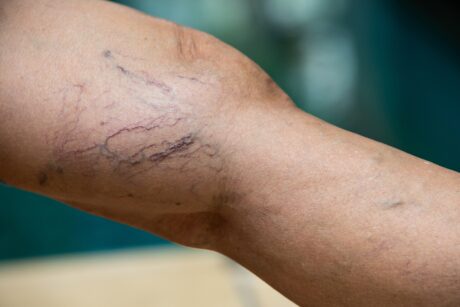
Varicose veins are enlarged, twisted veins that often appear on the legs. They can cause aching, heaviness, and swelling. Spider veins, while smaller and closer to the skin’s surface, can still cause discomfort and self-consciousness. Chronic venous insufficiency occurs when vein valves fail to circulate blood properly, leading to fluid buildup and skin changes.
Each of these conditions can progress if not properly managed. That is why consulting a veins specialist is essential for early detection and treatment. They can determine whether symptoms are cosmetic or linked to a deeper circulatory issue.
Causes and Risk Factors of Vein Disease
Vein problems develop due to a combination of lifestyle, genetic, and medical factors. One of the most common causes is weakened or damaged vein valves, which leads to blood pooling in the lower extremities. Over time, this pressure causes veins to enlarge and become visible.
Family history plays a significant role in determining risk. If close relatives have vein conditions, there is a higher likelihood of developing similar issues. Age is another factor, as vein elasticity naturally decreases over time.
Prolonged standing or sitting can also contribute to poor circulation. Occupations that require long hours on the feet or at a desk increase the risk of developing vein disorders. Obesity adds extra pressure to the veins, further complicating blood flow.
Hormonal changes during pregnancy or menopause may also impact vein health. Women are generally more prone to vein issues due to these fluctuations.
A veins specialist evaluates all these risk factors when diagnosing a patient. By understanding the root causes, they can recommend lifestyle adjustments and treatment plans that reduce progression and improve vascular health.
Recognizing the Symptoms of Vein Problems
Early recognition of vein disease symptoms is essential for effective treatment. Many people ignore mild signs, assuming they are temporary or insignificant. However, symptoms often worsen over time if not addressed.
Common signs include aching or heavy legs, visible bulging veins, swelling in the ankles, and skin discoloration. Some patients also experience itching or burning sensations around affected areas. These symptoms often become more noticeable after long periods of standing.
In more advanced cases, skin may become thickened or develop ulcers. These complications indicate poor circulation and require immediate medical attention.
A veins specialist uses these symptoms along with diagnostic tools to assess the severity of the condition. Even mild symptoms can point to underlying venous insufficiency that needs treatment.
Diagnostic Methods Used in Vein Evaluation
Accurate diagnosis is essential for effective vein treatment. A veins specialist uses advanced diagnostic techniques to evaluate blood flow and identify damaged veins. The most common tool is duplex ultrasound, which provides real-time images of vein structure and function.
This non-invasive test helps detect valve failure, blood clots, and areas of poor circulation. It is painless and typically completed during an outpatient visit. In some cases, additional imaging may be required to get a more detailed view of the venous system.
Physical examination also plays an important role in diagnosis. The specialist checks for visible signs such as swelling, discoloration, and vein enlargement. Patient history is reviewed to understand symptoms and potential risk factors.
A veins specialist combines these findings to create a comprehensive diagnosis. This ensures that treatment targets the exact cause of the problem rather than just the symptoms.
Treatment Options for Improved Vein Health
Treatment for vein disorders varies depending on severity and patient needs. A veins specialist may recommend conservative approaches such as compression stockings, lifestyle changes, and exercise to improve circulation in early cases.
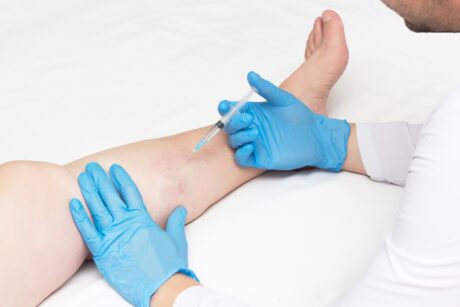
For more advanced conditions, medical procedures may be necessary. Sclerotherapy involves injecting a solution into affected veins, causing them to collapse and fade over time. Endovenous laser therapy uses heat energy to close damaged veins and redirect blood flow to healthier ones.
These minimally invasive treatments are highly effective and typically require little downtime. Patients can usually return to normal activities shortly after the procedure.
A veins specialist selects the most appropriate treatment based on diagnostic results and individual health factors. The goal is always to improve circulation while minimizing discomfort and recovery time.
Minimally Invasive Procedures and Their Benefits
Minimally invasive procedures have revolutionized vein treatment by offering safer and more efficient solutions. These techniques are performed using small incisions or needle-based approaches, reducing the need for traditional surgery.
Procedures such as radiofrequency ablation and laser therapy are commonly used to close faulty veins. These treatments are performed under local anesthesia and allow patients to walk immediately after the procedure.
The benefits include reduced pain, minimal scarring, and faster recovery times. Most patients return to work within a few days, making these procedures highly convenient.
A veins specialist carefully evaluates whether a patient is a good candidate for these treatments. They ensure that the procedure aligns with the patient’s condition and overall health goals.
By choosing minimally invasive options, patients can achieve long-lasting results without the risks associated with surgery. These advancements have made vein care more accessible and effective than ever before.
Recovery, Aftercare, and Long-Term Vein Health
Recovery after vein treatment is typically straightforward, especially with minimally invasive procedures. Patients are often encouraged to walk shortly after treatment to promote healthy blood circulation.
Compression stockings may be recommended to support healing and reduce swelling. Mild bruising or discomfort is normal but usually resolves within a few days.
A veins specialist provides detailed aftercare instructions to ensure optimal recovery. These may include activity guidelines, follow-up visits, and lifestyle recommendations to prevent recurrence.
Long-term vein health depends on maintaining healthy habits such as regular exercise, weight management, and avoiding prolonged sitting or standing. Staying active helps improve circulation and reduces the risk of future vein issues.
When to Seek Help from a Vein Specialist
Knowing when to consult a vein expert can prevent complications and improve treatment outcomes. If you experience persistent leg pain, swelling, or visible vein changes, it is time to see a professional.
Early intervention allows for simpler and more effective treatment options. Delaying care can lead to worsening symptoms and more complex procedures later on.
A veins specialist can evaluate your condition and recommend the best course of action based on your individual needs. Even mild symptoms should not be ignored, as they may indicate underlying circulation issues.
Timely consultation ensures better results and helps maintain long-term vascular health. If you notice any changes in your veins or leg comfort, seeking expert advice is the safest approach.
Conclusion
Vein health plays a vital role in overall well-being, and early treatment can prevent long-term complications. Understanding symptoms, causes, and available treatments helps patients make informed decisions about their care. Consulting a specialist ensures accurate diagnosis and effective solutions tailored to individual needs.
For expert care and personalized treatment options, Charming Skin Vein Clinics in Oak Brook offers professional services designed to restore vein health and comfort. To schedule a consultation, contact 630-974-2400 and take the first step toward healthier, pain-free legs.
https://www.spreaker.com/episode/veins-specialist-near-you-for-effective-vein-solutions–72131363
https://www.podomatic.com/podcasts/ashleysnyder1972podcast/episodes/2026-05-23T08_24_13-07_00
https://ashleysnyder1972.podbean.com/e/veins-specialist-near-you-for-effective-vein-solutions/