
Varicose veins are a common vascular condition that affects millions of people worldwide. These enlarged, twisted veins typically appear on the legs and feet and can range from a cosmetic concern to a condition that causes discomfort and health complications. Understanding what causes varicose veins is essential for maintaining healthy circulation and preventing symptoms from worsening over time.
While aging and genetics play significant roles, lifestyle factors can also contribute to the development of this condition. Many people do not realize that prolonged standing, lack of exercise, and excess weight can increase their risk. By learning about the causes, symptoms, and prevention methods, individuals can take proactive steps to protect their vein health and improve their overall quality of life.
Understanding What Varicose Veins Are
Varicose veins occur when the valves inside the veins become weakened or damaged. These valves are responsible for ensuring that blood flows toward the heart. When they fail to function properly, blood can pool inside the veins, causing them to enlarge and become visible beneath the skin.
Although they can develop anywhere in the body, varicose veins most commonly affect the legs because these veins work against gravity to return blood to the heart. The increased pressure can strain vein walls and valves over time.
Some people experience only cosmetic concerns, while others develop symptoms such as aching, heaviness, swelling, or cramping. In severe cases, complications including skin changes, ulcers, or blood clots may occur.
Recognizing the condition early allows individuals to seek treatment and make lifestyle adjustments before symptoms progress. Understanding the underlying causes is the first step toward effective prevention and management.
How Damaged Vein Valves Lead to Varicose Veins
Healthy veins contain one-way valves that prevent blood from flowing backward. These valves open to allow blood to move toward the heart and close to stop it from returning downward.
When the valves become weak or damaged, blood can leak backward and collect within the vein. This condition, known as venous insufficiency, increases pressure inside the vein and causes it to stretch and enlarge.
Over time, the vein walls lose elasticity and become more visible beneath the skin. The characteristic twisted appearance develops as blood continues to pool in affected areas.
Valve dysfunction can occur gradually due to aging, genetic factors, or prolonged stress on the veins. While the process may take years, the resulting symptoms can significantly affect comfort and mobility. Early intervention can help reduce pressure and slow disease progression.
The Role of Genetics in Vein Health
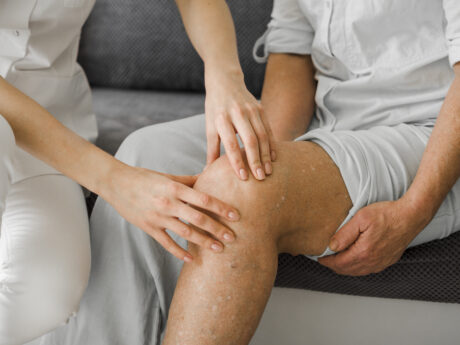
Family history is one of the strongest risk factors for developing vein disease. Individuals with parents or close relatives who have experienced varicose veins are more likely to develop the condition themselves.
Genetics can influence the strength of vein walls, the effectiveness of vein valves, and overall circulatory health. Some people inherit veins that are naturally more susceptible to stretching or valve dysfunction.
While genetic predisposition cannot be changed, awareness of family history can encourage preventive measures. People at higher risk may benefit from maintaining a healthy weight, staying active, and seeking early evaluation if symptoms appear.
Knowing your genetic risk allows you to take proactive steps before significant vein damage occurs. Early monitoring often leads to better long-term outcomes and reduced discomfort.
Why Aging Increases the Risk
As the body ages, veins naturally lose some of their elasticity. The walls of the veins become less flexible, making it harder for blood to move efficiently back toward the heart.
At the same time, vein valves may weaken due to years of use. These age-related changes increase the likelihood of blood pooling within the veins and contribute to the development of visible vein enlargement.
Many adults begin noticing symptoms in middle age, although the condition can develop earlier. Aging does not guarantee that someone will develop vein problems, but it does increase vulnerability.
Maintaining an active lifestyle, avoiding prolonged sitting, and attending routine medical evaluations can help minimize the impact of age-related changes on vein health and circulation.
How Pregnancy Affects Vein Function
Pregnancy places significant demands on the circulatory system. Blood volume increases substantially to support the developing baby, creating additional pressure within the veins.
Hormonal changes during pregnancy can also relax blood vessel walls, making veins more prone to stretching. As the uterus grows, it may compress veins in the pelvis, reducing blood flow from the legs back to the heart.
These factors often contribute to the development or worsening of varicose veins during pregnancy. Symptoms may improve after childbirth, but some women continue to experience vein issues afterward.
Wearing compression stockings, staying active, and elevating the legs can help manage symptoms during pregnancy. Regular communication with healthcare providers ensures that any concerns are addressed appropriately.
Lifestyle Factors That Contribute to Varicose Veins
Daily habits can have a significant impact on vein health. Prolonged standing or sitting limits circulation and increases pressure in the lower extremities. Occupations that require extended periods on one’s feet often carry a higher risk.
Excess body weight places additional stress on the veins, making it more difficult for blood to return to the heart. A sedentary lifestyle can further weaken circulation and contribute to poor vein function.
Smoking may also damage blood vessels and negatively affect circulation. Combined with other risk factors, unhealthy habits can accelerate the progression of vein disease.
Making positive lifestyle changes can significantly reduce the risk of developing vein problems. Regular movement, weight management, and avoiding tobacco products support healthy circulation and overall vascular function.
Common Symptoms to Watch For
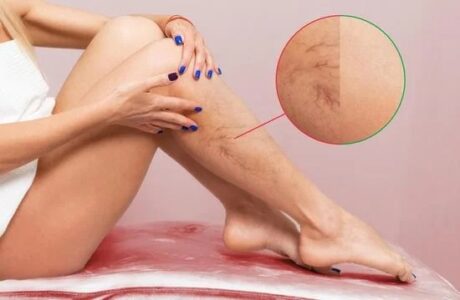
The symptoms of varicose veins vary from person to person. Some individuals notice visible, enlarged veins without discomfort, while others experience persistent symptoms that interfere with daily activities.
Common complaints include aching legs, feelings of heaviness, throbbing sensations, muscle cramps, and swelling around the ankles. Symptoms often worsen after prolonged standing or sitting and may improve with leg elevation.
Skin discoloration, itching, and changes in skin texture can develop in more advanced cases. These signs may indicate ongoing circulatory problems that require medical evaluation.
Recognizing symptoms early allows individuals to seek treatment before complications arise. Prompt attention can improve comfort, prevent progression, and support long-term vein health.
Effective Ways to Prevent Varicose Veins
Although not all cases can be prevented, many strategies can lower the risk of developing vein problems. Regular physical activity is one of the most effective methods because it promotes healthy circulation and strengthens leg muscles.
Maintaining a healthy body weight reduces pressure on the veins and supports efficient blood flow. Individuals who spend long hours sitting or standing should take frequent breaks to move and stretch.
Elevating the legs when resting can help reduce swelling and improve circulation. Compression stockings may also provide support by encouraging blood flow toward the heart.
These preventive measures can help protect vein function and minimize the likelihood of developing significant symptoms. Consistency is key when it comes to maintaining healthy circulation.
When Professional Treatment May Be Necessary
Some cases require medical intervention, particularly when symptoms become persistent or complications develop. Modern treatments are minimally invasive and highly effective for many patients.
Procedures such as sclerotherapy, endovenous laser therapy, and radiofrequency ablation can close damaged veins and redirect blood flow to healthier vessels. These treatments often involve minimal downtime and excellent results.
A vascular specialist can evaluate the severity of the condition and recommend the most appropriate treatment plan. Early treatment may prevent complications and improve both appearance and comfort.
Seeking professional care is especially important if swelling, skin changes, or ulcers develop. Timely intervention can protect long-term vascular health and enhance quality of life.
Conclusion
Understanding what causes varicose veins is essential for protecting your vascular health and preventing future complications. Factors such as genetics, aging, pregnancy, lifestyle habits, and weakened vein valves can all contribute to their development. Recognizing early symptoms and adopting healthy habits can significantly reduce your risk while supporting better circulation.
If you are experiencing symptoms or want to learn more about treatment options, the experienced team at Charming Skin Vein Clinics is here to help. Serving patients throughout Oak Brook, they provide personalized evaluations and advanced vein care solutions. To schedule a consultation or discuss your concerns, contact Charming Skin Vein Clinics today at 630-974-2400 and take the first step toward healthier, more comfortable legs.