
Venas Varicosa and Las arañas vasculares are common vascular conditions that affect millions of people, often causing discomfort, cosmetic concerns, and, in some cases, serious health complications. While many people assume these vein problems are simply a normal part of aging, they can indicate underlying vein disease that requires professional care. Knowing when to schedule an appointment with a Varicose Veins Doctor or Veins Specialist can help prevent symptoms from worsening and improve your overall quality of life.
Early diagnosis is one of the most effective ways to protect your vascular health. Whether you’re experiencing aching legs, swelling, visible veins, or skin changes, seeking timely treatment can make a significant difference. This guide explains the signs that indicate it’s time to see a vein specialist, available treatment options, and what you can expect during your consultation.
Why Varicose Veins and Spider Veins Shouldn’t Be Ignored
Many people dismiss visible veins as a cosmetic issue, but that isn’t always the case. While Las arañas vasculares are generally smaller and appear close to the skin’s surface, Venas Varicosa are enlarged, twisted veins that often signal poor circulation caused by damaged vein valves. Ignoring these symptoms can allow vein disease to progress over time.
As blood begins to pool inside weakened veins, pressure increases, leading to symptoms such as aching, heaviness, cramping, itching, swelling, and fatigue in the legs. These symptoms often worsen after standing or sitting for long periods and may interfere with daily activities.
Without treatment, vein disease can become more serious. Some patients develop skin discoloration, inflammation, bleeding veins, or painful venous ulcers. In certain cases, untreated vein disease may increase the risk of blood clots or chronic venous insufficiency.
Early evaluation by a Veins Specialist helps determine whether your symptoms are caused by underlying vein disease or another circulatory condition. Modern diagnostic tools, including ultrasound imaging, allow physicians to identify the root cause and recommend personalized treatment before complications develop.
Seeking professional care early often means less invasive treatment, quicker recovery, and improved long-term vein health.
Common Symptoms That Mean It’s Time to See a Veins Specialist
Many patients wait until symptoms become severe before seeking treatment, but recognizing early warning signs can prevent unnecessary discomfort and complications.
Persistent aching or heaviness in your legs is one of the earliest indicators of vein disease. You may notice discomfort that worsens later in the day or after standing for extended periods. Swelling around the ankles and lower legs is another common symptom that shouldn’t be overlooked.
Visible veins are also important indicators. Bulging, rope-like veins often indicate Venas Varicosa, while clusters of red, purple, or blue veins near the skin may be Las arañas vasculares. Although spider veins are frequently cosmetic, they can sometimes accompany deeper circulation problems.
Other symptoms that warrant an appointment with a Varicose Veins Doctor include burning sensations, nighttime leg cramps, restless legs, itching around affected veins, or skin discoloration near the ankles.
If your symptoms interfere with walking, exercising, or daily activities, professional evaluation becomes even more important. Early diagnosis allows treatment before symptoms significantly impact your mobility or quality of life.
Risk Factors That Increase Your Chances of Developing Vein Disease
Several factors contribute to the development of vein disease, making some individuals more likely to experience varicose or spider veins than others.
Genetics play a major role. If one or both parents have vein disease, your likelihood of developing similar problems increases significantly. Family history remains one of the strongest risk factors.
Age is another contributing factor. As people grow older, vein walls naturally lose elasticity, making it easier for valves to weaken and blood to pool.
Women experience vein disease more frequently than men due to hormonal changes associated with pregnancy, menopause, and hormonal medications. Pregnancy places additional pressure on leg veins while increasing blood volume, making varicose veins particularly common.
Lifestyle also matters. Individuals who spend long hours standing or sitting may develop increased pressure within the leg veins. Obesity, lack of physical activity, and smoking can further reduce healthy circulation.
Understanding these risk factors allows individuals to monitor symptoms closely and seek care from a Veins Specialist before problems become severe.
What Happens During Your First Appointment With a Varicose Veins Doctor
Many patients delay treatment simply because they don’t know what to expect during a consultation. Fortunately, visiting a vein specialist is typically straightforward and comfortable.
Your appointment usually begins with a discussion about your symptoms, medical history, family history, and daily lifestyle. Your physician will ask when symptoms began, what makes them worse, and whether you’ve noticed swelling, pain, or skin changes.
Next comes a physical examination of your legs to evaluate visible veins, skin condition, and circulation. In many cases, the physician performs a duplex ultrasound examination. This painless imaging test shows how blood flows through your veins and identifies damaged valves or areas of reflux.
Once testing is complete, your Varicose Veins Doctor explains the findings and recommends an individualized treatment plan. Every patient’s condition differs, so treatment depends on symptom severity, vein size, and overall vascular health.
Most consultations require no special preparation, and patients can usually return to normal activities immediately afterward.
Modern Treatment Options for Varicose Veins and Spider Veins
Vein treatment has advanced significantly over the past decade, offering patients minimally invasive procedures with shorter recovery times than traditional surgery.
Compression stockings may be recommended for mild symptoms. These specialized garments improve circulation by applying gentle pressure to the legs, helping reduce swelling and discomfort.
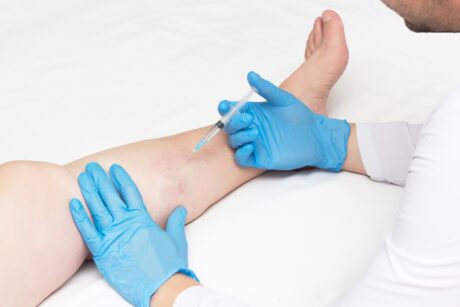
For spider veins, sclerotherapy remains one of the most common treatments. During this procedure, a medical solution is injected into affected veins, causing them to collapse and gradually fade over time.
Larger varicose veins may be treated using endovenous laser therapy or radiofrequency ablation. These minimally invasive procedures use heat energy to seal damaged veins, redirecting blood flow into healthier veins.
Some patients may also benefit from ambulatory phlebectomy, a procedure that removes bulging veins through tiny skin openings.
A qualified Veins Specialist will recommend the most appropriate treatment based on your symptoms, diagnostic imaging, and overall health goals.
Benefits of Seeking Treatment Early
Waiting for symptoms to become unbearable often allows vein disease to progress unnecessarily. Early treatment provides numerous medical and lifestyle benefits.
Prompt care frequently reduces leg pain, heaviness, swelling, and fatigue before symptoms interfere with work or recreational activities. Many patients notice significant improvement in comfort shortly after treatment.
Early intervention also reduces the risk of developing chronic venous insufficiency, skin ulcers, bleeding veins, and long-term circulation problems. Treating damaged veins before complications arise often results in simpler procedures and faster recovery.
From a cosmetic standpoint, addressing spider veins or smaller varicose veins early may produce better aesthetic outcomes while preventing additional veins from becoming visible.
Patients also benefit psychologically. Many regain confidence wearing shorts, dresses, or swimwear after successful treatment.
By consulting a Varicose Veins Doctor early, patients often enjoy improved circulation, healthier legs, and greater overall quality of life.

Lifestyle Changes That Support Healthy Veins
Although professional treatment is often necessary, healthy lifestyle habits can help slow vein disease progression and improve circulation.
Regular exercise encourages blood flow through the calf muscles, which naturally pump blood back toward the heart. Walking, cycling, and swimming are particularly beneficial.
Maintaining a healthy weight reduces pressure on leg veins while lowering strain on weakened valves. Even modest weight loss may improve symptoms for some individuals.
Avoid sitting or standing in one position for extended periods. Taking short walking breaks or stretching throughout the day encourages better circulation.
Elevating your legs several times daily allows gravity to assist blood flow back toward the heart, helping reduce swelling and discomfort.
Wearing compression stockings when recommended by your physician can further support healthy circulation during work or travel.
While these habits cannot eliminate existing varicose veins, they complement treatment plans developed by your Veins Specialist and promote long-term vascular health.
Choosing the Right Veins Specialist
Selecting an experienced vein specialist is one of the most important decisions in your treatment journey.
Look for a clinic that specializes in diagnosing and treating vein disorders rather than offering vein care as only one of many services. Specialized providers typically have extensive experience with the latest minimally invasive procedures and diagnostic technology.
A thorough evaluation should always include ultrasound imaging before recommending treatment. Accurate diagnosis ensures your treatment addresses the underlying cause instead of only improving appearance.
It’s also helpful to choose a provider who offers multiple treatment options rather than relying on a single procedure for every patient. Personalized care often leads to better long-term outcomes.
Reading patient reviews, discussing treatment expectations, and asking questions during your consultation can help you feel confident in your decision.
The right Varicose Veins Doctor will focus on relieving symptoms, improving circulation, and helping you achieve lasting results with a customized treatment plan.
Conclusion
Recognizing the signs of Venas Varicosa and Las arañas vasculares early can help you avoid unnecessary discomfort and reduce the risk of more serious vein disease. Symptoms such as aching legs, swelling, visible veins, skin changes, and persistent heaviness should never be ignored. Consulting a qualified Varicose Veins Doctor or Veins Specialist allows you to receive an accurate diagnosis and explore minimally invasive treatment options that can improve both your health and quality of life.
If you’re experiencing symptoms of vein disease, Charming Skin Vein Clinics (Oakbrook) is committed to providing compassionate, personalized care using advanced treatment techniques. Whether you need evaluation, diagnosis, or treatment for varicose or spider veins, their experienced team is ready to help. Call 630-974-2400 today to schedule your consultation and take the first step toward healthier, more comfortable legs.