
Venas Varicosa are a common condition that can affect both your comfort and confidence, even after successful treatment. Whether you’ve had minimally invasive procedures or other medical therapies, preventing Venas Varicosa from returning requires ongoing care and healthy lifestyle habits. Many people also notice Las arañas vasculares developing over time, making long-term vein health an important priority. Working with a qualified Varicose Veins Doctor or experienced Veins Specialist can help you protect your results and reduce the likelihood of future vein problems.
Although modern vein treatments are highly effective, they cannot eliminate the underlying factors that contribute to vein disease, such as genetics, aging, prolonged standing, or poor circulation. Fortunately, there are many practical steps you can take to support healthy blood flow and maintain your treatment results. Understanding these preventive strategies allows you to enjoy healthier legs while minimizing the risk of recurring vein issues.
Why Do Varicose Veins Return After Treatment?
Many patients are surprised when they notice new vein issues months or years after treatment. While treated veins typically do not come back, new veins can become damaged over time due to ongoing pressure within the venous system. This is why recurrence is possible even after excellent treatment results.
Several factors contribute to recurrence. Family history remains one of the strongest risk factors, while aging naturally weakens vein walls and
valves. Occupations that require prolonged standing or sitting can also place continuous stress on the veins, increasing the likelihood of new vein damage.
Hormonal changes, pregnancy, obesity, and lack of regular exercise may further increase the risk. Understanding these causes helps patients adopt healthier habits that protect their circulation. Routine follow-up visits with a Veins Specialist also allow new concerns to be identified early before they become more noticeable or uncomfortable.
Stay Active to Improve Blood Circulation
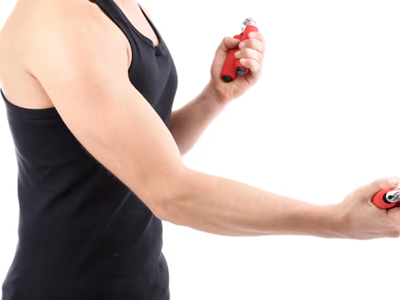
Regular physical activity is one of the most effective ways to support healthy veins. Exercise encourages the calf muscles to act as a natural pump, helping move blood back toward the heart instead of allowing it to pool in the legs.
Walking is one of the best low-impact activities for improving circulation. Swimming, cycling, and gentle strength training also benefit vein health without placing excessive stress on the legs. Even short walks throughout the day can make a significant difference for individuals with sedentary jobs.
If your work requires sitting for extended periods, stand up and stretch every hour whenever possible. Likewise, people who stand for long hours should take opportunities to move around and shift their weight frequently. Consistent movement helps reduce pressure inside the veins while supporting long-term circulation.
Maintain a Healthy Weight
Excess body weight increases pressure on the veins, especially those in the legs. Over time, this additional strain may contribute to weakened vein valves and reduced circulation, making recurrence more likely.
Maintaining a healthy weight through balanced nutrition and regular exercise supports both vein health and overall wellness. Eating a diet rich in fruits, vegetables, whole grains, lean proteins, and healthy fats provides nutrients that support healthy blood vessels.
Limiting processed foods, excessive sodium, and added sugars may also reduce fluid retention and swelling. Small lifestyle improvements made consistently often produce meaningful long-term benefits for your circulation. Patients who maintain a healthy weight frequently experience less leg discomfort and improved treatment outcomes.
Wear Compression Stockings When Recommended
Compression stockings are commonly recommended after vein procedures because they promote healthy blood flow and reduce pressure within the veins. These specially designed garments gently compress the legs, helping prevent blood from pooling.
Your healthcare provider may recommend wearing compression stockings for several weeks after treatment or during certain activities, such as long-distance travel or prolonged standing. Following these recommendations can significantly support healing and long-term vein health.
Not everyone requires compression therapy indefinitely, so it’s important to follow personalized guidance from your provider. Wearing properly fitted stockings ensures maximum comfort and effectiveness while minimizing unnecessary discomfort.
Avoid Sitting or Standing Too Long
Remaining in one position for extended periods can interfere with healthy circulation. Blood naturally collects in the lower legs when muscles remain inactive, increasing pressure on vein walls.
If your occupation involves sitting at a desk, try standing, stretching, or walking every 30 to 60 minutes. Simple calf raises or ankle circles performed while seated can also encourage better circulation.
For individuals who stand throughout the day, periodically shifting weight, walking briefly, or elevating the legs during breaks can help reduce strain. Developing these simple daily habits may significantly reduce the risk of future vein problems while improving overall leg comfort.
Elevate Your Legs Regularly
Leg elevation is a simple yet highly effective habit for supporting healthy circulation. Raising your legs above heart level allows gravity to assist blood flow back toward the heart, reducing swelling and pressure within the veins.
Many people benefit from elevating their legs for 15 to 20 minutes after work or before bedtime. This practice may be especially helpful following long periods of standing, traveling, or physical activity.
Using supportive pillows while resting can make leg elevation more comfortable. Combined with regular movement and healthy lifestyle habits, this simple routine can contribute to better long-term vein health.
Protect Your Veins During Pregnancy
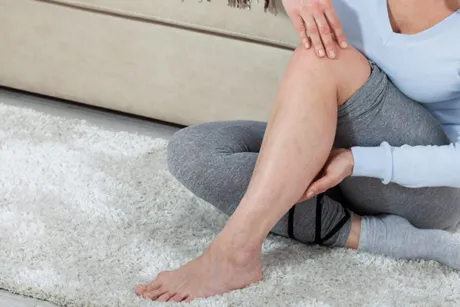
Pregnancy significantly increases the risk of developing vein problems due to hormonal changes, increased blood volume, and pressure from the growing uterus. Many women notice Las arañas vasculares or enlarged veins appearing during pregnancy.
Although some pregnancy-related veins improve after delivery, preventive care remains important. Regular walking, appropriate exercise, leg elevation, and physician-approved compression stockings can all support healthy circulation during pregnancy.
Expectant mothers should discuss any new vein symptoms with their healthcare provider. Early evaluation allows personalized recommendations that prioritize both maternal health and long-term vein wellness.
Schedule Routine Follow-Up Visits
Even after successful treatment, routine monitoring remains one of the best ways to prevent recurring vein disease. Regular evaluations allow providers to detect early changes before symptoms become more severe.
A qualified Varicose Veins Doctor can assess circulation, evaluate treatment outcomes, and recommend preventive strategies based on your individual risk factors. Follow-up appointments may include physical examinations or ultrasound imaging when necessary.
Patients who remain proactive often experience better long-term results because potential problems are identified and managed early. Preventive care helps preserve both comfort and appearance while supporting lifelong vein health.
Know When to See a Veins Specialist Again
Although mild symptoms occasionally occur, persistent discomfort should never be ignored. New bulging veins, swelling, aching, heaviness, skin discoloration, or recurring Las arañas vasculares may indicate developing vein disease that requires evaluation.
Seeking care early often allows less invasive treatment and better long-term outcomes. Delaying evaluation may allow symptoms to worsen and increase the complexity of treatment.
An experienced Veins Specialist can determine whether new symptoms represent recurrence or an entirely new vein condition. Personalized treatment plans combined with ongoing preventive care offer the best opportunity for maintaining healthy, comfortable legs for years to come.
Conclusion
Preventing Venas Varicosa from returning involves much more than completing treatment. Regular exercise, maintaining a healthy weight, avoiding prolonged sitting or standing, wearing compression stockings when recommended, elevating your legs, and attending routine follow-up appointments all contribute to healthier circulation and lasting results. Paying attention to early symptoms and seeking timely evaluation can also help prevent small vein problems from becoming more serious.
If you’re experiencing recurring Las arañas vasculares or symptoms of vein disease, the experienced team at Charming Skin Vein Clinics (Oakbrook) is here to help. Their dedicated Varicose Veins Doctor and Veins Specialist provide comprehensive evaluations and personalized treatment plans designed to support your long-term vein health. To schedule a consultation, contact Charming Skin Vein Clinics (Oakbrook) in Oakbrook today at 630-974-2400.