
Venas Varicosa and Las arañas vasculares affect millions of people, causing concerns that range from cosmetic appearance to chronic discomfort and reduced quality of life. While many individuals assume these vein problems are simply a normal part of aging, they often indicate underlying issues with blood circulation that deserve professional evaluation. A qualified Varicose Veins Doctor or Veins Specialist can diagnose the cause of vein disease, recommend personalized treatments, and help prevent symptoms from worsening over time.
Seeking early care is important because untreated vein conditions can gradually progress, leading to pain, swelling, skin changes, and other complications. Modern vein treatments are safer, less invasive, and more effective than ever before. This guide explains how a veins specialist evaluates vein conditions, the treatments available, and why expert care can make a significant difference in your long-term vascular health.
What Does a Veins Specialist Do?
A veins specialist is a medical professional who focuses on diagnosing, treating, and managing disorders affecting the veins. Unlike general practitioners who treat a wide range of conditions, these specialists have advanced training in identifying circulation problems and developing treatment plans tailored to each patient.
During an evaluation, the specialist reviews your symptoms, medical history, lifestyle, and family history. They also perform a physical examination to identify visible signs of vein disease, including enlarged or twisted veins, swelling, skin discoloration, or tenderness.
Many patients seek care for Venas Varicosa because they experience aching legs, heaviness, or fatigue after standing for long periods. Others visit for Las arañas vasculares, which may be primarily cosmetic but can sometimes signal underlying venous insufficiency.
A Varicose Veins Doctor doesn’t simply treat visible veins—they investigate what’s happening beneath the surface. By identifying the root cause, a Veins Specialist can recommend treatments that improve circulation while reducing the appearance of damaged veins. This comprehensive approach helps patients achieve better long-term outcomes rather than temporary cosmetic improvements.
Understanding the Difference Between Varicose Veins and Spider Veins
Although many people use the terms interchangeably, Venas Varicosa and Las arañas vasculares are different conditions with unique characteristics. Understanding these differences helps patients recognize when professional evaluation is necessary.
Varicose veins are enlarged, twisted veins that typically appear raised beneath the skin. They often develop in the legs because gravity increases pressure on lower-body veins. These veins may cause pain, swelling, itching, muscle cramps, and a feeling of heaviness.
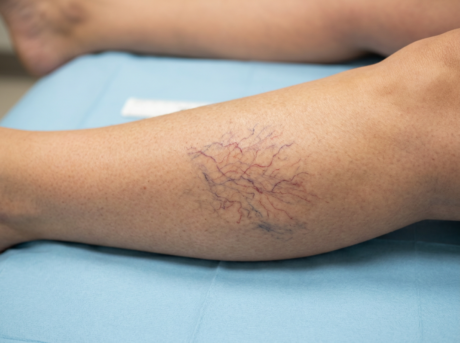
Spider veins are much smaller and appear as thin red, blue, or purple lines near the skin’s surface. While they rarely cause significant discomfort, they can affect confidence and occasionally indicate early venous disease.
A skilled Veins Specialist evaluates both cosmetic and medical concerns during diagnosis. Even if symptoms appear mild, an underlying circulation issue may exist that requires treatment. Consulting a Varicose Veins Doctor ensures that both visible symptoms and hidden vein problems receive appropriate attention before they progress into more serious conditions.
Common Causes of Vein Problems
Vein disease develops when tiny valves inside the veins weaken or become damaged. Instead of flowing efficiently back toward the heart, blood begins pooling inside the veins, increasing pressure and causing them to enlarge.
Several factors increase the likelihood of developing vein conditions. Age naturally weakens vein walls, while genetics can significantly increase susceptibility. Pregnancy, obesity, prolonged standing or sitting, and limited physical activity also contribute to increased vein pressure.
Many occupations require workers to remain on their feet for extended periods, placing additional stress on leg veins every day. Hormonal changes and previous injuries may further increase risk.
A Veins Specialist carefully evaluates these contributing factors before recommending treatment. Rather than focusing only on the visible appearance of Venas Varicosa or Las arañas vasculares, the specialist identifies lifestyle habits and medical conditions that may be accelerating disease progression. This comprehensive evaluation helps create personalized treatment strategies that address both current symptoms and future prevention.
How a Veins Specialist Diagnoses Vein Disease
Accurate diagnosis is the foundation of successful treatment. A Varicose Veins Doctor begins by discussing symptoms such as aching, swelling, nighttime leg cramps, heaviness, itching, or skin discoloration.
The physical examination helps identify visible abnormalities, but many vein problems develop beneath the skin where they cannot be seen. To evaluate blood flow, specialists commonly perform a duplex ultrasound examination. This painless imaging test allows the provider to observe vein structure, valve function, and blood circulation in real time.
Ultrasound helps determine whether damaged valves are causing blood to flow backward, a condition known as venous reflux. Identifying reflux allows the Veins Specialist to recommend the most appropriate treatment rather than relying on cosmetic procedures alone.
Early diagnosis is especially valuable because many patients ignore symptoms until discomfort becomes severe. Detecting Venas Varicosa or underlying disease before complications develop often leads to simpler treatments, faster recovery, and better long-term results.
Treatment Options Available for Vein Issues
Modern vein care offers numerous minimally invasive treatments that effectively improve both appearance and circulation. A Veins Specialist selects the appropriate procedure based on the patient’s diagnosis, symptoms, and overall health.
Sclerotherapy remains one of the most common treatments for Las arañas vasculares. During this procedure, a specialized solution is injected into affected veins, causing them to gradually collapse and fade from view.
Larger Venas Varicosa often respond well to treatments such as endovenous laser therapy (EVLT), radiofrequency ablation (RFA), or medical adhesive closure techniques. These procedures close malfunctioning veins while allowing healthy veins to maintain proper blood circulation.
Some patients may also benefit from ambulatory phlebectomy, a procedure that removes damaged veins through tiny incisions. Because modern treatments require minimal downtime, many individuals return to normal activities within a day or two.
A Varicose Veins Doctor carefully explains every option, expected outcomes, and recovery recommendations before beginning treatment, ensuring patients understand their personalized care plan.
Benefits of Seeking Early Treatment
Many people delay treatment because they believe vein problems are purely cosmetic or inevitable with age. However, untreated vein disease often worsens gradually over time.
Early intervention can reduce discomfort, improve circulation, decrease swelling, and prevent more advanced complications such as skin ulcers, bleeding veins, or chronic inflammation. Patients frequently notice increased comfort during walking, standing, and daily activities after treatment.
Treating Las arañas vasculares early may also prevent additional cosmetic concerns while identifying underlying venous insufficiency before symptoms progress.
Visiting a Veins Specialist sooner rather than later allows patients to explore conservative treatments before more advanced procedures become necessary. A qualified Varicose Veins Doctor helps patients understand how lifestyle changes, compression therapy, exercise, and medical treatment work together to support healthier circulation and long-lasting results.
Lifestyle Changes That Support Healthy Veins
Professional treatment delivers excellent results, but healthy daily habits also play an important role in maintaining vein health. A Veins Specialist often recommends combining medical care with practical lifestyle improvements.
Regular walking encourages the calf muscles to pump blood efficiently back toward the heart. Maintaining a healthy weight reduces pressure on the leg veins, while elevating the legs after long periods of standing helps decrease swelling.
Patients are also encouraged to avoid prolonged sitting or standing whenever possible. Taking short movement breaks throughout the day supports healthy circulation and reduces pressure inside the veins.
Compression stockings may provide additional symptom relief by improving blood flow and minimizing swelling. While they do not eliminate Venas Varicosa or Las arañas vasculares, they can help manage symptoms and support treatment outcomes.
Following recommendations from a Varicose Veins Doctor helps patients protect their long-term vascular health while reducing the likelihood of future vein problems.

When Should You See a Varicose Veins Doctor?
Many patients wonder whether their symptoms require professional evaluation. While cosmetic concerns are a valid reason to seek treatment, persistent discomfort often indicates a medical issue that deserves attention.
You should consider seeing a Veins Specialist if you experience aching legs, swelling, heaviness, visible enlarged veins, burning sensations, skin discoloration, or recurring leg cramps. Symptoms that worsen after standing for long periods may suggest chronic venous insufficiency.
Even individuals with mild Las arañas vasculares can benefit from an evaluation because hidden circulation problems sometimes develop before larger veins become visible.
Scheduling an appointment with a Varicose Veins Doctor provides clarity about your condition and available treatment options. Early assessment helps prevent progression while allowing patients to make informed decisions about both cosmetic improvement and overall vascular health.
Conclusion
Whether you’re dealing with Venas Varicosa, Las arañas vasculares, or unexplained leg discomfort, seeking care from an experienced Varicose Veins Doctor or Veins Specialist can make a significant difference in your comfort, mobility, and long-term vein health. Professional evaluation helps identify the underlying cause of vein disease, allowing for personalized treatment that improves circulation while reducing visible symptoms. Combined with healthy lifestyle habits, today’s minimally invasive procedures offer effective, lasting results with little downtime.
If you’re ready to take the next step toward healthier legs, Charming Skin Vein Clinics (Oakbrook) is here to help. Their experienced team provides comprehensive vein evaluations and customized treatment plans designed to meet your unique needs. To schedule a consultation or learn more about available vein treatments in Oakbrook, call 630-974-2400 today.