
If you’re experiencing leg pain, swelling, visible veins, or discomfort, visiting a Varicose Veins Doctor is the first step toward understanding the condition and finding effective treatment. Both Venas Varicosa and Las arañas vasculares are common vein disorders that affect millions of people, yet many individuals delay seeking care because they assume the symptoms are only cosmetic. In reality, untreated vein conditions can progress over time and lead to increased discomfort or complications. A qualified Veins Specialist uses advanced diagnostic techniques to identify the underlying cause of vein disease and recommend personalized treatment options. Understanding how the diagnostic process works can help you feel more confident about seeking professional care. This guide explains how a vein evaluation is performed, what tests you can expect, and why an accurate diagnosis is essential for long-term vein health.
Why an Accurate Vein Diagnosis Matters
Many people believe visible veins are simply a cosmetic concern, but they often indicate problems within the circulatory system. A proper diagnosis allows a healthcare provider to determine whether the issue involves damaged vein valves, poor blood circulation, or another vascular condition. Identifying the root cause ensures that treatment addresses the underlying problem rather than only improving appearance.
A Varicose Veins Doctor evaluates symptoms such as aching, heaviness, swelling, cramping, itching, skin discoloration, and fatigue in the legs. These symptoms often become more noticeable after prolonged standing or sitting. Understanding when symptoms occur helps the physician assess how well blood is flowing through the veins.
An experienced Veins Specialist also considers personal risk factors, including age, pregnancy, genetics, obesity, prolonged standing, and previous blood clots. Reviewing these details provides valuable insight into the likelihood of chronic venous insufficiency or other vein disorders.
Early diagnosis offers significant benefits. It allows treatment to begin before symptoms worsen and helps reduce the risk of complications such as skin ulcers or persistent swelling. Even patients with mild Las arañas vasculares may benefit from an evaluation if they experience discomfort or have a family history of vein disease.
Common Symptoms a Varicose Veins Doctor Evaluates
The diagnostic process begins with a discussion about your symptoms. Many patients seek care because they notice enlarged, twisted veins beneath the skin or clusters of small visible veins. However, symptoms frequently extend beyond appearance.
Patients commonly describe aching, throbbing, burning sensations, muscle cramps, or feelings of heaviness in the legs. Swelling around the ankles may worsen throughout the day and improve after elevating the legs. Some individuals also experience itching or skin irritation near affected veins.
A Varicose Veins Doctor carefully asks when symptoms started, whether they have become worse over time, and which activities trigger discomfort. Information about previous pregnancies, surgeries, injuries, or blood clots may also help identify contributing factors.
A Veins Specialist distinguishes between symptoms caused by Venas Varicosa, Las arañas vasculares, or other circulatory conditions. This comprehensive discussion guides the next stage of testing and ensures no important details are overlooked. Every symptom provides valuable clues that contribute to an accurate diagnosis and individualized treatment plan.
Physical Examination of the Legs
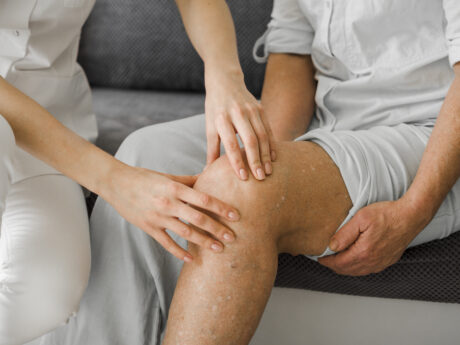
Following the medical history, the physician performs a thorough physical examination of the legs. This assessment helps identify visible vein abnormalities while evaluating the overall health of the skin and surrounding tissues.
The doctor examines the legs while the patient is standing because gravity makes abnormal veins more visible. They look for bulging veins, clusters of Las arañas vasculares, skin discoloration, swelling, ulcers, or hardened areas that may indicate chronic vein disease.
During the examination, a Varicose Veins Doctor may gently palpate the affected veins to evaluate tenderness, temperature changes, or firmness. They also compare both legs to identify differences in circulation or swelling.
Although a physical examination provides valuable information, it is only one part of the diagnostic process. Many underlying vein problems cannot be seen from the surface. That’s why a Veins Specialist often recommends advanced imaging to confirm the diagnosis and identify the exact location of damaged veins before treatment begins.
How Duplex Ultrasound Helps Diagnose Vein Disease
The duplex ultrasound is considered the gold standard for diagnosing vein disease. This painless, non-invasive imaging test allows physicians to evaluate blood flow while visualizing the structure of the veins.
A trained technician places a handheld ultrasound probe against the skin using a conductive gel. Sound waves create detailed images that reveal how blood travels through the veins in real time. The examination also shows whether vein valves are functioning properly.
A Varicose Veins Doctor uses duplex ultrasound to detect reflux, a condition where blood flows backward because weakened valves fail to close completely. This abnormal circulation often causes Venas Varicosa and related symptoms.
The test can also identify blood clots, narrowed veins, or deeper vein abnormalities that cannot be detected during a physical examination. A Veins Specialist relies on these detailed images to create a personalized treatment plan that addresses both visible veins and their underlying cause.
Conditions That Can Mimic Varicose Veins
Not every leg symptom is caused by vein disease. Several medical conditions can produce similar discomfort, making an accurate diagnosis especially important before beginning treatment.
Leg swelling may result from heart disease, kidney disease, or lymphatic disorders. Muscle injuries, arthritis, nerve compression, and peripheral artery disease may also cause pain that resembles symptoms associated with Venas Varicosa.
A Varicose Veins Doctor carefully evaluates these possibilities during the diagnostic process. Medical history, physical examination, and imaging studies help distinguish vein disease from other circulatory or orthopedic conditions.
Even Las arañas vasculares may sometimes appear alongside unrelated skin changes or vascular abnormalities. A knowledgeable Veins Specialist understands these differences and ensures patients receive the most appropriate diagnosis rather than assuming every visible vein requires the same treatment approach.
Creating a Personalized Treatment Plan
Once testing is complete, the physician reviews the findings and explains the available treatment options. Every patient’s condition is unique, so recommendations depend on symptom severity, overall health, and ultrasound results.
For mild cases, conservative management may include compression stockings, exercise, weight management, and elevating the legs. These measures can improve circulation and reduce discomfort while slowing disease progression.
Patients with more advanced Venas Varicosa may benefit from minimally invasive procedures such as endovenous laser therapy, radiofrequency ablation, sclerotherapy, or ambulatory phlebectomy. These treatments are designed to close or remove damaged veins while preserving healthy circulation.
A skilled Veins Specialist discusses the benefits, recovery expectations, and long-term outcomes of each option. The goal is not only to improve appearance but also to restore healthy blood flow and relieve symptoms that interfere with daily activities.

Preparing for Your Vein Evaluation
Preparing for your appointment helps ensure a thorough evaluation. Patients should wear loose-fitting clothing that allows easy access to the legs and bring a complete list of medications, medical conditions, and previous treatments.
It’s also helpful to document symptoms before the appointment. Note when discomfort occurs, which activities make symptoms worse, and whether elevating the legs provides relief. These observations give the physician valuable diagnostic information.
A Varicose Veins Doctor may ask about family history, pregnancy history, occupation, exercise habits, and previous surgeries. Honest answers contribute to a more accurate diagnosis and better treatment recommendations.
Most vein evaluations are comfortable and completed within a single visit. If an ultrasound is needed, patients can usually return to normal activities immediately afterward. A comprehensive evaluation by a qualified Veins Specialist provides the information needed to begin effective treatment with confidence.
When You Should Schedule an Appointment
Many people postpone care because symptoms develop gradually. However, early evaluation often prevents vein disease from becoming more severe and improves treatment outcomes.
Persistent aching, swelling, visible Las arañas vasculares, bulging Venas Varicosa, skin discoloration, or leg fatigue should never be ignored. These symptoms may indicate worsening circulation that benefits from professional assessment.
Seeking care from a qualified Varicose Veins Doctor allows problems to be identified before complications develop. Modern diagnostic tools make the evaluation process accurate, efficient, and minimally invasive.
Whether your concern is cosmetic, medical, or both, consulting a knowledgeable Veins Specialist provides peace of mind and access to treatment options that improve both vein health and overall quality of life.
Conclusion
Diagnosing vein disease involves much more than examining visible veins. A Varicose Veins Doctor carefully reviews your medical history, evaluates symptoms, performs a physical examination, and often uses duplex ultrasound to identify the underlying cause of Venas Varicosa and Las arañas vasculares. An accurate diagnosis ensures that every treatment plan is tailored to your individual needs, helping improve circulation, relieve discomfort, and prevent future complications. If you’re experiencing symptoms of vein disease or have concerns about your leg health, the experienced team at Charming Skin Vein Clinics (Chicago) is here to help. Their dedicated Veins Specialist provides comprehensive evaluations and advanced treatment options designed to restore healthy veins and improve your quality of life. To schedule a consultation in Chicago, call 630-974-2400 today.