
Varicose veins are a common vascular condition that affects millions of people worldwide. These enlarged, twisted veins typically appear on the legs and feet and can cause discomfort, swelling, aching, and cosmetic concerns. Many individuals who develop varicose veins wonder whether the condition runs in families or if daily habits and lifestyle choices are primarily responsible.
Understanding the causes of varicose veins is important because it can help individuals take preventive measures and seek treatment before symptoms worsen. While genetics can increase the likelihood of developing vein problems, environmental and lifestyle factors also play a significant role. By learning how hereditary traits and lifestyle choices interact, individuals can better manage their vein health and reduce the risk of complications associated with varicose veins.
Understanding What Varicose Veins Are
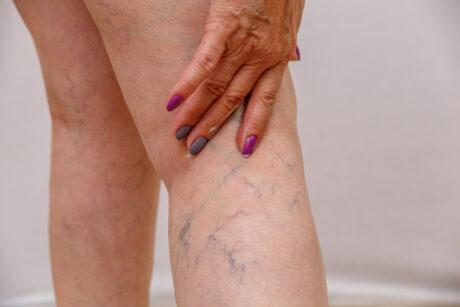
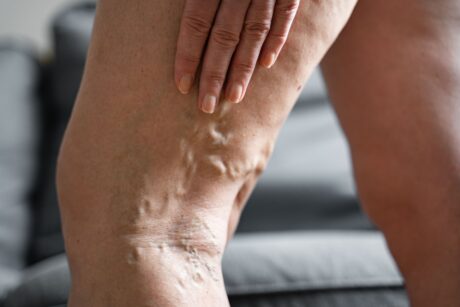
Varicose veins develop when the valves inside veins become weak or damaged. These valves are responsible for keeping blood flowing in the correct direction toward the heart. When they fail to function properly, blood can pool inside the veins, causing them to enlarge and become visible beneath the skin.
The condition most commonly affects the legs because veins in the lower body must work against gravity to return blood to the heart. Over time, increased pressure within the veins can cause stretching and weakening of the vein walls. Although varicose veins are often viewed as a cosmetic issue, they can also lead to symptoms such as heaviness, cramping, itching, and swelling.
In some cases, untreated vein disease may contribute to skin discoloration, ulcers, or blood clots. Early recognition and treatment can help prevent these complications and improve overall comfort. Understanding the underlying causes is the first step toward effective management.
The Genetic Connection to Varicose Veins
Research consistently shows that genetics play a significant role in the development of vein disease. Individuals with one or both parents affected by vein problems are more likely to develop similar conditions during their lifetime. This hereditary tendency is linked to inherited characteristics that affect vein structure and valve function.
Certain people inherit weaker vein walls or valves that are less efficient at preventing blood from flowing backward. These inherited traits make veins more vulnerable to pressure and enlargement over time. Genetics can also influence connective tissue strength, which affects how well veins maintain their shape.
While inheriting a predisposition does not guarantee that a person will develop vein disease, it does increase susceptibility. Family history is often considered an important risk factor during vein evaluations. Understanding genetic influences allows patients to monitor symptoms more closely and seek early intervention when necessary.
How Lifestyle Choices Influence Vein Health
Although genetics can increase risk, lifestyle habits often determine how quickly symptoms develop and progress. Daily activities, occupation, and overall health can significantly impact circulation and vein function.
Prolonged standing or sitting is one of the most common contributors to vein problems. Jobs that require long hours on the feet place additional pressure on leg veins. Similarly, sitting for extended periods limits healthy blood flow and can increase the likelihood of blood pooling in the lower extremities.
Poor dietary habits and inactivity may also affect circulation. Maintaining a healthy lifestyle supports stronger blood vessels and reduces stress on the venous system. While lifestyle factors alone may not cause vein disease in every individual, they can significantly accelerate symptoms in those who are genetically predisposed.
The Role of Age in Developing Vein Problems
Age is another major factor associated with vein health. As people get older, natural wear and tear affects the veins and their valves. Over time, valves may become less effective at preventing backward blood flow.
The aging process also reduces the elasticity of blood vessels. Veins may stretch more easily and struggle to maintain efficient circulation. This gradual decline can contribute to the development of visible vein symptoms even in individuals who previously had healthy circulation.
While aging cannot be prevented, maintaining good vascular health throughout life can help minimize age-related vein changes. Regular exercise, weight management, and periodic medical evaluations can support healthy circulation as the body ages.
Why Hormonal Changes Affect Veins
Hormonal fluctuations can significantly impact vein health, particularly in women. Changes in estrogen and progesterone levels can relax blood vessel walls and affect circulation. This is one reason women often experience vein-related symptoms during pregnancy, menopause, or while using hormonal medications.
Pregnancy places additional pressure on the veins due to increased blood volume and the growing uterus. These changes can temporarily worsen existing vein issues or contribute to new vein development. Multiple pregnancies may increase long-term risk.
Menopause can also influence circulation as hormone levels shift. Understanding the connection between hormones and vein health helps explain why certain life stages are associated with a higher likelihood of developing visible vein problems.
The Impact of Body Weight on Vein Function
Excess body weight places additional pressure on the veins, especially those located in the legs. The increased workload can make it more difficult for blood to travel efficiently back to the heart.
Obesity is often associated with chronic inflammation and reduced physical activity, both of which can negatively affect circulation. Over time, excess pressure can weaken vein walls and contribute to valve dysfunction. This combination increases the likelihood of developing symptoms associated with vein disease.
Weight management is one of the most effective lifestyle modifications for supporting vascular health. Even moderate weight loss may help reduce symptoms and improve circulation. Maintaining a healthy weight also benefits overall cardiovascular health and mobility.
Can Exercise Help Prevent Varicose Veins?
Regular physical activity is one of the best ways to support healthy circulation. Exercise helps strengthen calf muscles, which act as a natural pump that assists blood flow back toward the heart.
Activities such as walking, cycling, swimming, and low-impact aerobic exercise can improve venous circulation without placing excessive stress on the veins. Consistent movement also helps prevent blood from pooling in the lower legs during long periods of inactivity.
While exercise cannot completely eliminate hereditary risk factors, it can reduce symptom severity and slow disease progression. Developing a routine that encourages regular movement is a practical strategy for maintaining healthy veins throughout life.
Recognizing Early Warning Signs
Early detection is important for managing vein disease effectively. Many people initially notice cosmetic changes such as visible blue or purple veins beneath the skin. However, symptoms often extend beyond appearance.
Common warning signs include aching, heaviness, swelling, burning sensations, leg fatigue, and nighttime cramping. Symptoms may worsen after prolonged standing or at the end of the day. Recognizing these signs early allows patients to seek professional evaluation before complications occur.
Prompt diagnosis can help determine whether symptoms are related to superficial vein issues or underlying venous insufficiency. Early treatment often leads to better outcomes and improved quality of life.
Treatment Options Available Today
Modern vein treatments have advanced significantly in recent years. Many procedures are minimally invasive and require little downtime. Treatment recommendations typically depend on symptom severity, vein size, and overall health.
Compression therapy is often recommended as an initial management strategy. Specialized stockings help improve circulation and reduce discomfort. For more advanced cases, procedures such as laser therapy, radiofrequency ablation, and sclerotherapy may be used to close or eliminate problematic veins.
These treatments are designed to restore healthy blood flow while improving appearance and reducing symptoms. Consulting with a vein specialist can help determine the most appropriate treatment plan based on individual needs.
Conclusion
The answer to whether varicose veins are hereditary or lifestyle related is that both factors play an important role. Genetics can increase susceptibility by influencing vein structure and valve function, while lifestyle habits such as physical activity, weight management, and occupational demands can affect how the condition develops over time. Age, hormonal changes, and overall health also contribute to vein health.
Understanding these risk factors allows individuals to take proactive steps toward prevention and early treatment. If you are experiencing symptoms or have a family history of vein disease, professional evaluation can help identify the best course of action. For expert care and personalized treatment options, contact Charming Skin Vein Clinics in Oak Brook at 630-974-2400 to schedule a consultation and learn more about improving your vein health.