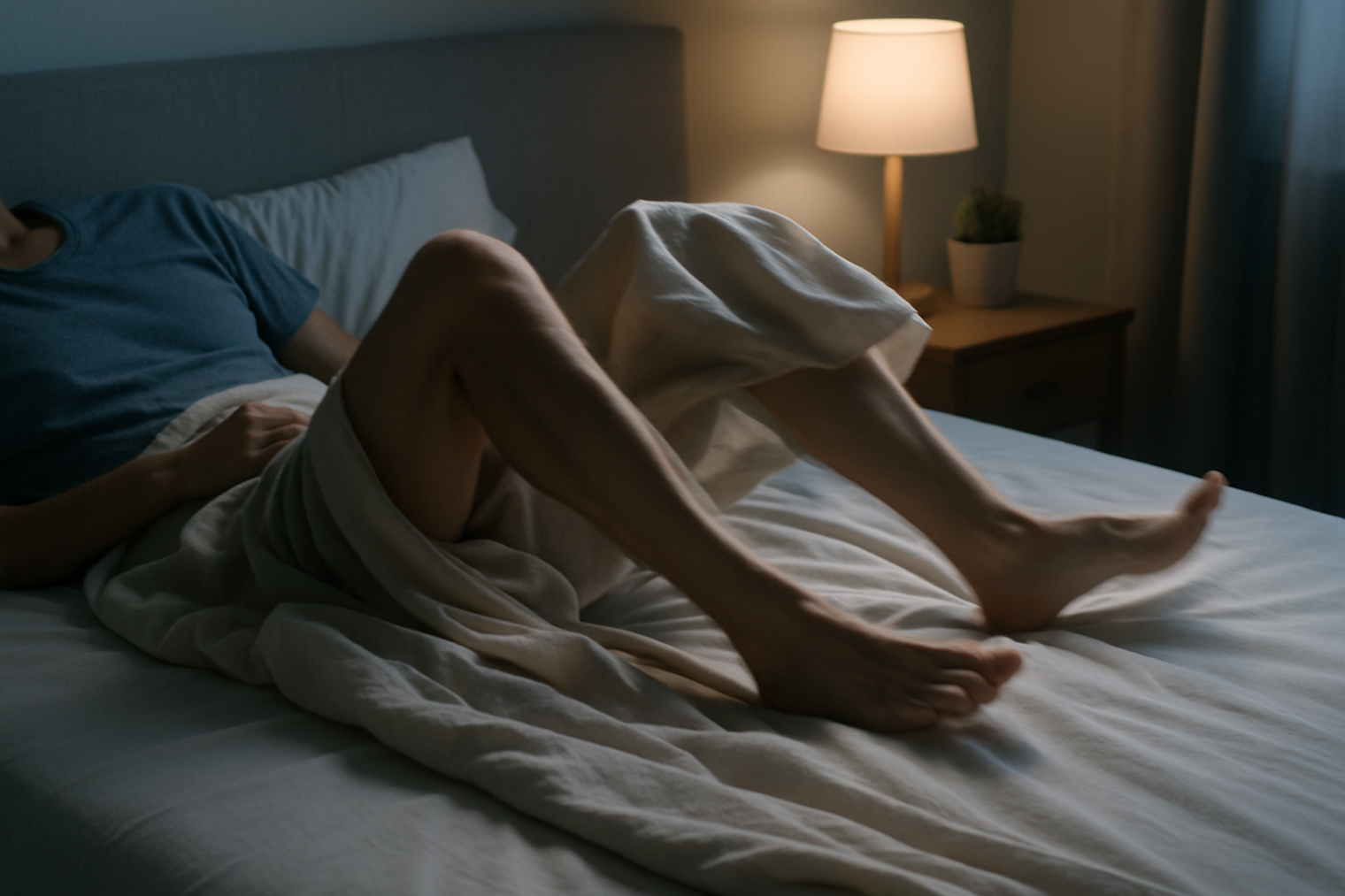
Many people notice that aching, throbbing, or cramping in their legs becomes worse after the sun goes down. If you’re struggling with discomfort, understanding why it happens can help you find relief and know when it’s time to seek professional care. A Varicose Veins Spider Veins Varicose Veins Doctor Veins Specialist can identify the underlying cause of your symptoms and recommend effective treatment options before the condition worsens.
Nighttime leg pain isn’t something you should simply ignore. While occasional soreness may result from a long day on your feet, persistent pain associated with varicose veins may indicate poor circulation and increased pressure inside damaged veins. This article explains why varicose veins tend to hurt more at night, what factors contribute to the discomfort, available treatment options, and when you should visit a vein specialist.
Why Do Varicose Veins Become More Painful at Night?
Varicose veins develop when the tiny valves inside your veins stop working efficiently. These valves normally help blood travel back toward the heart. When they weaken, blood begins to pool inside the veins, causing them to enlarge, twist, and become visible beneath the skin.
Throughout the day, gravity makes it more difficult for blood to return from your legs to your heart. Standing or sitting for long periods increases pressure inside the veins, allowing more blood to collect. By evening, this pressure has built up, leaving many people with aching, throbbing, heaviness, or burning sensations.
Nighttime also gives your body a chance to relax, making you more aware of symptoms that may have been masked by your daily activities. As you lie down and distractions disappear, discomfort often feels more noticeable.
A Varicose Veins Spider Veins Varicose Veins Doctor Veins Specialist can determine whether nighttime pain is related to venous insufficiency or another circulatory condition. Early diagnosis can prevent symptoms from progressing while improving overall leg health.
How Poor Circulation Contributes to Nighttime Pain
Healthy veins rely on one-way valves to move blood upward against gravity. When these valves weaken, blood pools inside the lower legs, increasing pressure within the vein walls.
This increased pressure stretches the veins and surrounding tissues. Over time, inflammation develops, irritating nearby nerves and causing persistent discomfort. The longer blood remains trapped, the greater the pressure becomes.
Poor circulation also reduces oxygen delivery to surrounding muscles and tissues. As a result, many people experience soreness, fatigue, or throbbing after spending the day walking, standing, or sitting.
When you finally rest at night, these symptoms become more apparent. Some individuals even wake up because of aching legs or muscle cramps.
Receiving an evaluation from a vein specialist helps identify circulation problems before they become more serious. Modern diagnostic imaging allows physicians to pinpoint exactly where blood is pooling so they can recommend personalized treatment options.
Common Symptoms That Often Worsen After Sunset
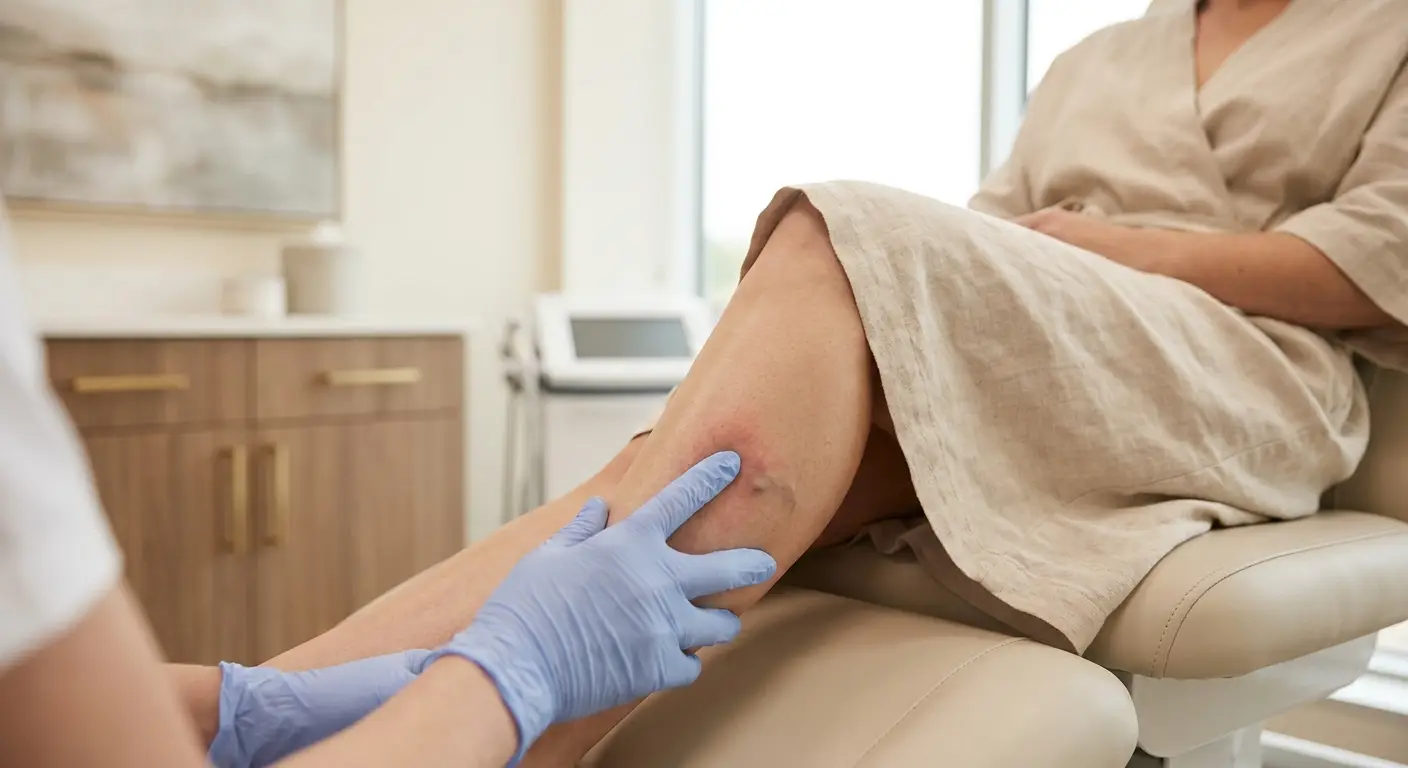
Pain is only one symptom associated with varicose veins. Many patients experience several forms of discomfort that become more noticeable during the evening hours.
Aching legs are among the most common complaints. Some people describe the sensation as dull soreness, while others report burning or throbbing pain. Heaviness in the legs can also make walking or climbing stairs feel more difficult after a long day.
Swelling around the ankles and calves frequently increases as fluid accumulates throughout the day. Shoes may feel tighter by evening, and socks may leave noticeable indentations around the ankles.
Restless legs and nighttime muscle cramps are also common. These symptoms can interrupt sleep and leave individuals feeling tired the following morning.
Visible signs often accompany discomfort, including bulging blue or purple veins, itching, skin discoloration, or tenderness when touching affected areas. If symptoms continue to worsen, professional evaluation is recommended to prevent additional complications.
Lifestyle Factors That Can Make Nighttime Symptoms Worse
Several everyday habits can increase the likelihood of nighttime discomfort from varicose veins.
Standing for extended periods is one of the most significant contributors. Occupations involving retail, healthcare, teaching, manufacturing, or hospitality often require workers to remain on their feet for hours. This allows blood to pool in the lower legs.
Sitting for prolonged periods can have similar effects. Office workers and individuals who frequently travel may experience reduced circulation because the calf muscles aren’t actively helping pump blood upward.
Being overweight places additional pressure on leg veins, making it harder for blood to circulate efficiently. Pregnancy also increases pressure within the venous system while hormonal changes relax vein walls.
Lack of regular exercise further contributes to circulation problems. Walking, cycling, and swimming encourage healthy blood flow and strengthen the calf muscles, which serve as an important pump for returning blood to the heart.
Simple lifestyle modifications can significantly reduce evening discomfort while supporting long-term vein health.
How to Relieve Varicose Vein Pain Before Bed
Many individuals can reduce nighttime discomfort with conservative self-care techniques.
Elevating your legs above heart level for 15 to 30 minutes before bedtime encourages blood to drain from the lower extremities. This reduces swelling and relieves pressure inside enlarged veins.
Compression stockings are another effective option. These specially designed garments gently squeeze the legs, helping veins move blood more efficiently throughout the day. Wearing them as recommended may reduce evening pain.
Light physical activity such as walking or gentle stretching before bed helps improve circulation without placing excessive strain on the legs.
Maintaining hydration and avoiding excessive salt intake may reduce fluid retention that contributes to swelling. Some individuals also find relief by applying cool compresses to sore areas.
While home remedies may improve symptoms temporarily, persistent pain should not be ignored. A Varicose Veins Spider Veins Varicose Veins Doctor Veins Specialist can determine whether additional treatment is needed to address the underlying cause.
Medical Treatments That Provide Lasting Relief
Advancements in vein care have made treatment more comfortable and effective than ever before. Many procedures are minimally invasive and performed in an outpatient setting.
Sclerotherapy is commonly used for spider veins and smaller varicose veins. A specialized solution is injected into the affected vein, causing it to collapse and gradually disappear.
Endovenous laser therapy (EVLT) and radiofrequency ablation use heat to seal damaged veins from the inside. Blood naturally reroutes through healthier veins, improving circulation while reducing pain.
For larger or more advanced varicose veins, ambulatory phlebectomy may be recommended. This procedure removes problematic veins through tiny skin openings with minimal downtime.
Treatment not only improves appearance but also relieves aching, swelling, heaviness, and nighttime discomfort. Early intervention often prevents future complications while restoring comfort and mobility.
When Should You See a Vein Specialist?
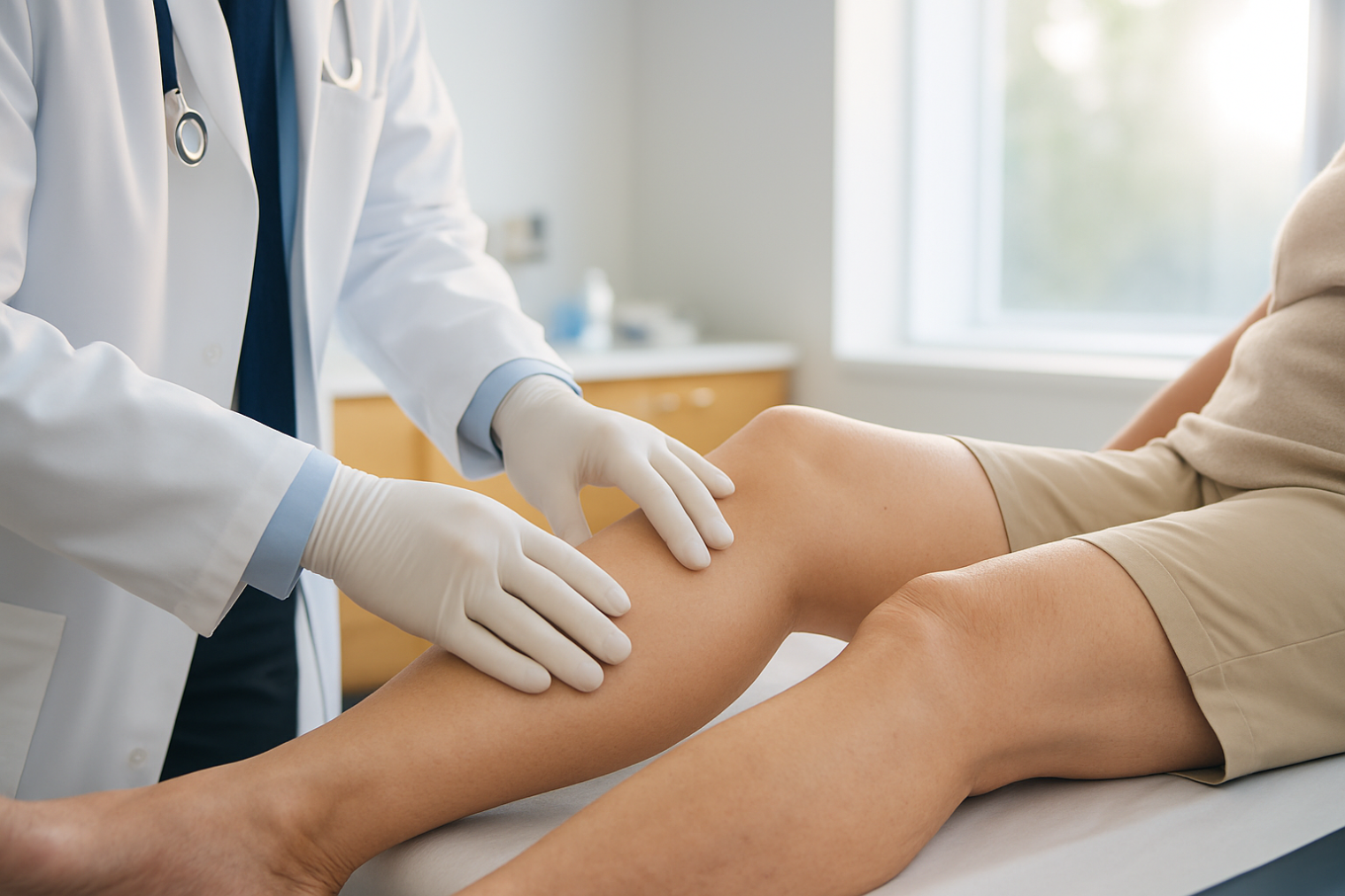
Occasional tired legs after a busy day may not require medical attention. However, persistent or worsening symptoms deserve professional evaluation.
If leg pain regularly interrupts your sleep, it’s time to schedule an appointment. Ongoing discomfort may indicate chronic venous insufficiency, a condition that typically worsens without treatment.
Other warning signs include persistent swelling, skin discoloration around the ankles, open sores, bleeding veins, or sudden increases in pain. These symptoms may indicate more advanced vein disease.
Individuals with a family history of varicose veins or previous blood clots should also consider routine vein evaluations.
A comprehensive ultrasound examination allows specialists to identify damaged veins and develop a personalized treatment plan based on your condition rather than simply treating visible symptoms.
Preventing Varicose Vein Pain From Returning
Preventive care plays a major role in managing vein health, even after treatment.
Regular exercise keeps blood moving efficiently through the legs. Walking for as little as 30 minutes each day activates the calf muscles and supports healthy circulation.
Maintaining a healthy weight reduces unnecessary pressure on the veins. Eating a balanced diet rich in fiber also helps prevent constipation, which can indirectly increase pressure within the venous system.
Avoid remaining in one position for long periods. If your job requires standing or sitting, take short movement breaks every hour to encourage circulation.
Wearing compression stockings during long workdays or travel may also reduce swelling and discomfort.
Following your provider’s recommendations after vein treatment helps maintain long-term results while lowering the likelihood of future symptoms.
Conclusion
Nighttime pain from varicose veins is often caused by blood pooling in weakened veins throughout the day, leading to increased pressure, inflammation, and discomfort once you begin to rest. Fortunately, lifestyle changes, compression therapy, and modern minimally invasive treatments can significantly reduce symptoms and improve circulation. Seeking care early can also help prevent more serious complications and improve your overall quality of life.
If you’re experiencing persistent aching, swelling, or leg pain at night, the experienced team at Charming Skin Vein Clinics is here to help. Our specialists provide comprehensive vein evaluations and personalized treatment options for patients throughout Chicago. Call +1 630-974-1400 today to schedule your consultation and take the first step toward healthier, more comfortable legs.
https://www.buzzsprout.com/2645776/episodes/19735945
https://www.podomatic.com/podcasts/alishamorgan156podcast/episodes/2026-09-01T05_45_21-07_00
https://stream.redcircle.com/episodes/2794d00b-1c0a-4e73-98d0-97629b0bea50/stream.mp3