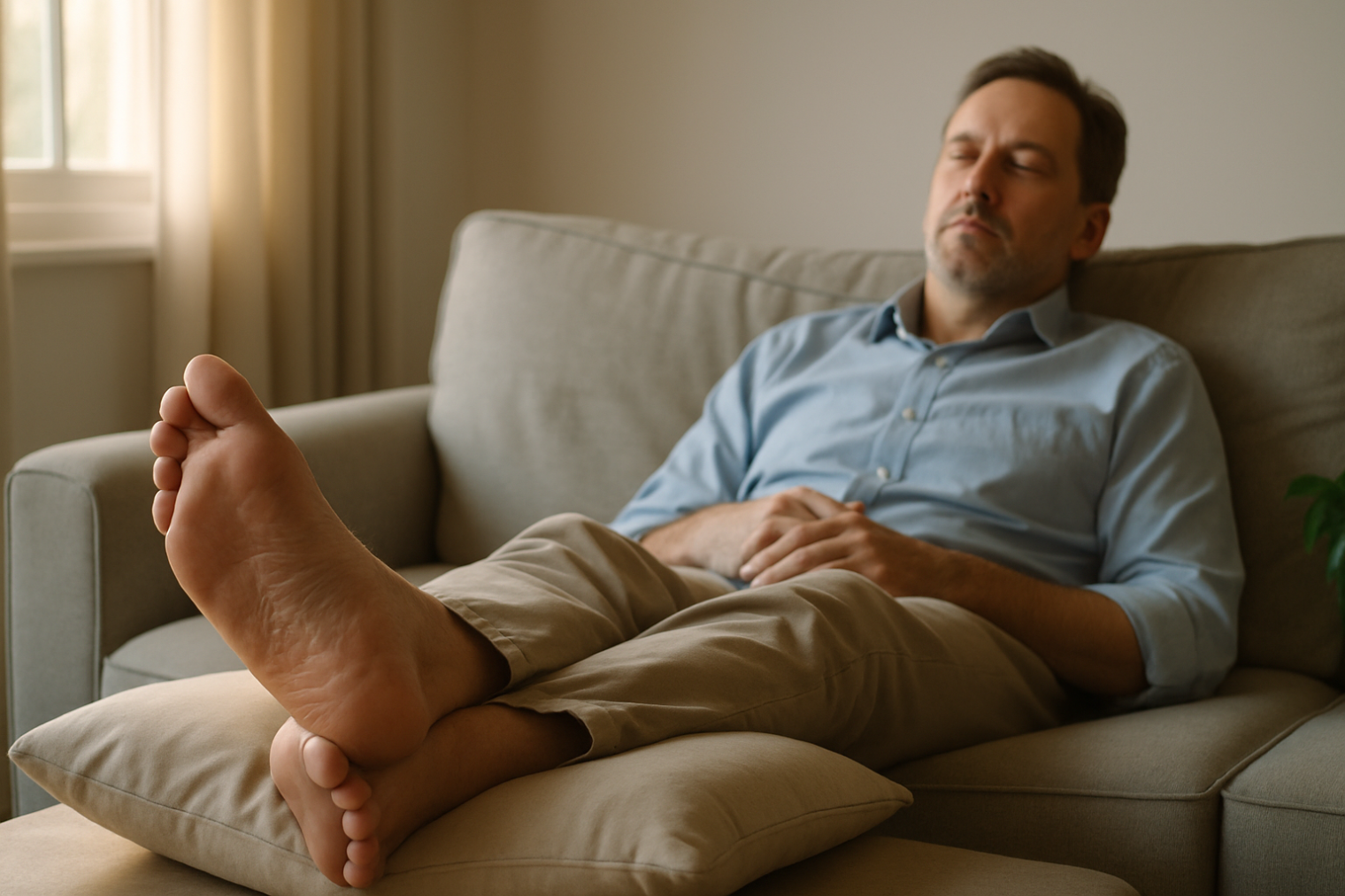
Many people notice an uncomfortable feeling of heaviness, aching, or fatigue in their legs after standing or sitting for long periods. This sensation is often linked to Varicose Veins Spider Veins Varicose Veins Doctor Veins Specialist services because unhealthy veins can affect how blood flows back to the heart. While some individuals see varicose veins as only a cosmetic concern, they can also cause physical symptoms that interfere with daily life. Understanding why your legs feel heavy can help you recognize when it’s time to seek professional evaluation. Early diagnosis and treatment not only improve comfort but may also prevent symptoms from becoming more severe. In this guide, we’ll explain the connection between heavy legs and varicose veins, discuss common causes and treatment options, and show when it’s appropriate to consult a vein specialist.
What Causes Heavy Legs with Varicose Veins?
A heavy feeling in the legs is one of the most common symptoms experienced by people with varicose veins. Healthy veins contain one-way valves that help move blood upward toward the heart. When these valves weaken or become damaged, blood begins to pool inside the veins instead of flowing efficiently.
This pooling increases pressure inside the veins, causing them to enlarge and twist beneath the skin. As pressure builds throughout the day, the muscles and surrounding tissues receive less efficient circulation, leading to sensations of heaviness, fatigue, and discomfort.
Many people notice these symptoms becoming worse after standing for several hours, walking long distances, or sitting without moving. The discomfort often improves after elevating the legs because gravity helps blood return toward the heart.
Seeking evaluation from a Varicose Veins Spider Veins Varicose Veins Doctor Veins Specialist allows medical professionals to identify the underlying cause rather than simply treating the symptoms. Modern diagnostic tools can determine whether faulty vein valves are responsible and help guide the most appropriate treatment plan.
How Poor Circulation Contributes to Leg Fatigue
Circulation plays an essential role in keeping your legs healthy and energized. When veins struggle to return blood effectively, oxygen delivery becomes less efficient, and waste products can build up in surrounding tissues. This contributes to the tired, heavy sensation many patients describe.
Although arteries deliver oxygen-rich blood to the legs, veins are responsible for carrying blood back toward the heart. Weak vein valves interfere with this process, causing blood to remain in the lower legs longer than it should.
The extra pressure stretches the vein walls and surrounding tissues, increasing inflammation and discomfort. Many people experience worsening symptoms later in the day because blood has accumulated over several hours.
A Varicose Veins Spider Veins Varicose Veins Doctor Veins Specialist can evaluate whether venous insufficiency is contributing to poor circulation. Early treatment often improves blood flow, helping patients experience lighter, more comfortable legs while reducing future complications.
Common Symptoms That Often Accompany Heavy Legs
Heavy legs rarely occur alone. Many patients also notice aching, throbbing, burning sensations, or swelling around the ankles and calves. These symptoms often fluctuate depending on activity levels and how long someone remains standing.
Visible varicose veins may appear blue, purple, or bulging beneath the skin. Others first notice spider veins, which are smaller clusters of red or blue veins closer to the skin’s surface.
Nighttime leg cramps, itching around enlarged veins, and restless legs can also develop. Some individuals experience discomfort severe enough to interfere with sleep or daily activities.
Because these symptoms may gradually worsen over time, it’s important not to ignore them. Consulting a Varicose Veins Spider Veins Varicose Veins Doctor Veins Specialist allows for an accurate diagnosis before more advanced vein disease develops.
Risk Factors That Increase Your Chances of Developing Varicose Veins
Several factors increase the likelihood of developing varicose veins and experiencing heavy legs. Genetics play a significant role, meaning individuals with a family history of vein disease are more likely to develop similar issues.
Age also contributes because vein valves naturally weaken over time. Hormonal changes during pregnancy or menopause may increase vein pressure, while obesity adds additional strain on the circulatory system.
Occupations requiring prolonged standing or sitting—such as teachers, nurses, office workers, and retail employees—can also increase risk. Limited movement makes it more difficult for the calf muscles to assist blood circulation.
Regular exercise, maintaining a healthy weight, and avoiding prolonged inactivity may reduce symptoms. However, individuals with persistent discomfort should consult a Varicose Veins Spider Veins Varicose Veins Doctor Veins Specialist to determine whether medical treatment is appropriate.
When Heavy Legs May Indicate Chronic Venous Insufficiency
Persistent heaviness may be a sign of chronic venous insufficiency, a condition in which leg veins cannot efficiently return blood to the heart. Without treatment, symptoms often become progressively worse.
Patients with chronic venous insufficiency frequently experience swelling, skin discoloration, itching, and increasing discomfort. In advanced stages, skin may become thickened or ulcers may develop around the ankles.
Diagnostic ultrasound allows physicians to examine blood flow and identify malfunctioning valves with remarkable accuracy. This painless imaging test provides valuable information when creating a treatment plan.
Seeing a Varicose Veins Spider Veins Varicose Veins Doctor Veins Specialist early can help prevent complications while improving comfort, circulation, and long-term vein health.
Treatment Options That Can Relieve Heavy Legs
Today’s vein treatments are far less invasive than many people realize. Conservative care often begins with compression stockings, increased physical activity, weight management, and leg elevation.
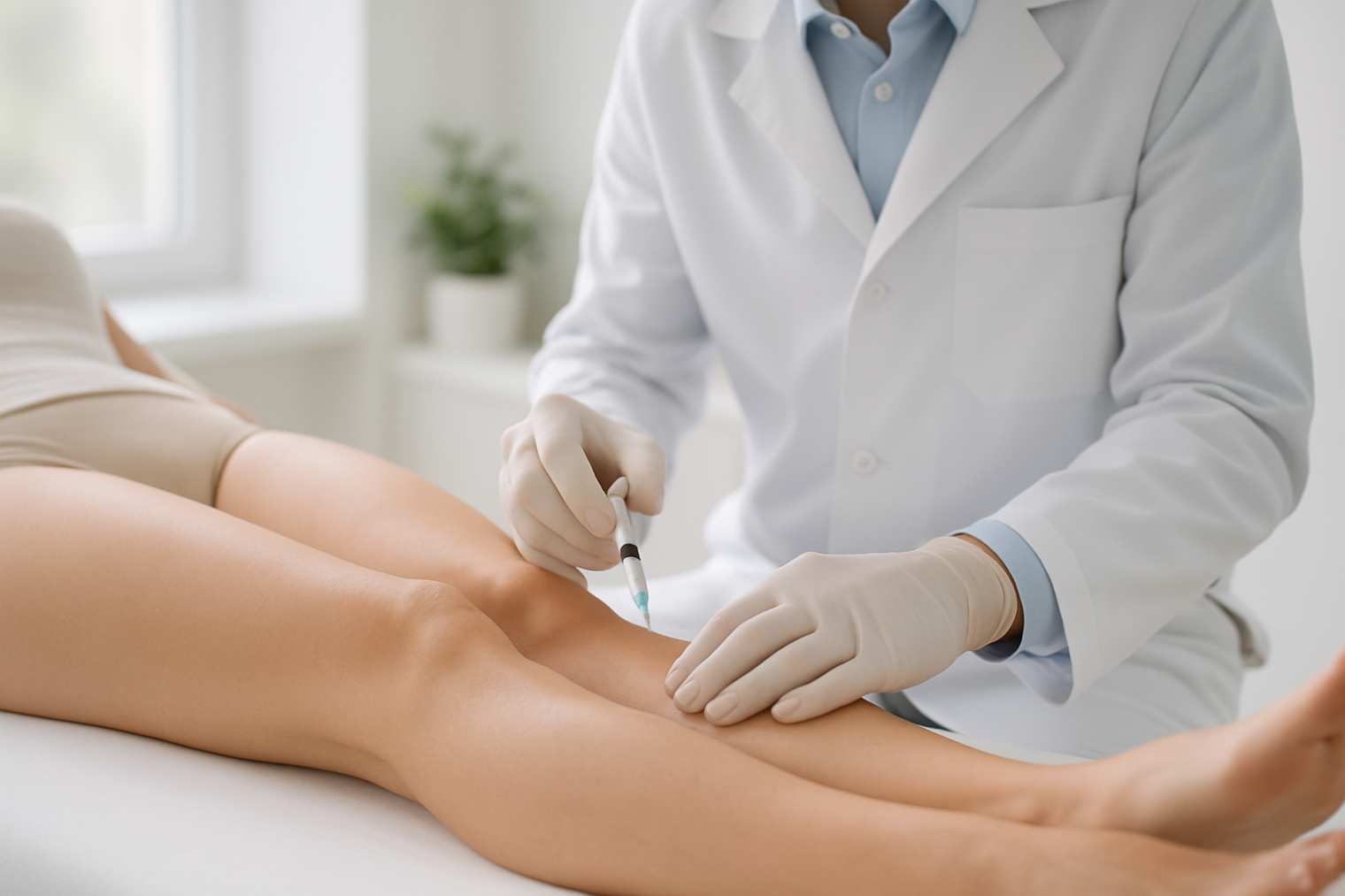
When symptoms persist, minimally invasive procedures may be recommended. Endovenous laser therapy, radiofrequency ablation, sclerotherapy, and other office-based treatments can close damaged veins while allowing healthier veins to take over circulation.
Most procedures require little downtime, allowing patients to resume normal activities quickly. Many individuals report noticeable improvement in heaviness, swelling, and aching within weeks.
A qualified Varicose Veins Spider Veins Varicose Veins Doctor Veins Specialist can recommend the most effective treatment based on ultrasound findings, symptom severity, and overall health.
Lifestyle Changes That Support Healthy Veins
Although medical treatment addresses damaged veins, healthy lifestyle habits help improve circulation and reduce future discomfort. Walking regularly activates the calf muscles, which function as a natural pump for returning blood toward the heart.
Avoid standing or sitting in one position for extended periods whenever possible. Taking short movement breaks throughout the day encourages healthy blood flow and reduces pressure inside the veins.
Maintaining a healthy weight, eating fiber-rich foods, staying hydrated, and limiting excessive salt intake may also help reduce swelling. Wearing properly fitted compression stockings can provide additional support when recommended by a healthcare provider.
Combining these habits with guidance from a vein specialist offers the best opportunity for long-term symptom management and healthier circulation.
When Should You See a Vein Specialist?
Occasional tired legs after strenuous activity are normal, but persistent heaviness should not be ignored. If symptoms continue despite rest, or if swelling, pain, skin discoloration, or visible veins develop, professional evaluation is recommended.
Many people delay treatment because they assume varicose veins are only cosmetic. In reality, untreated vein disease may continue progressing and eventually affect skin health and overall quality of life.
Modern vein clinics provide comprehensive evaluations using advanced ultrasound technology to identify the exact cause of symptoms. Personalized treatment plans help patients achieve lasting relief while improving circulation.
Early consultation often leads to better outcomes and helps prevent more serious complications associated with chronic vein disease.
Conclusion
Heavy legs are often more than simple muscle fatigue. They may be an early warning sign that your veins are struggling to circulate blood efficiently. Understanding the causes, recognizing accompanying symptoms, and seeking timely evaluation can make a significant difference in your comfort and long-term vein health. Fortunately, today’s minimally invasive treatments offer safe and effective solutions for many patients experiencing varicose veins and related symptoms. If you’re experiencing persistent heaviness, aching, swelling, or visible veins, the experienced team at Charming Skin Vein Clinics is here to help. Serving patients in Chicago, they provide comprehensive vein evaluations and personalized treatment plans designed to restore healthy circulation and improve your quality of life. Call +1 630-974-1400 today to schedule your consultation and take the first step toward healthier, more comfortable legs.
https://www.buzzsprout.com/2645776/episodes/19735993
https://www.podomatic.com/podcasts/alishamorgan156podcast/episodes/2026-09-01T05_47_33-07_00
https://stream.redcircle.com/episodes/161081f2-7fb9-45f6-b774-83571f694751/stream.mp3